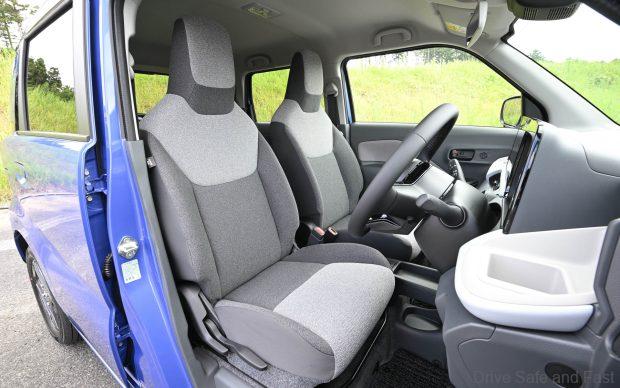
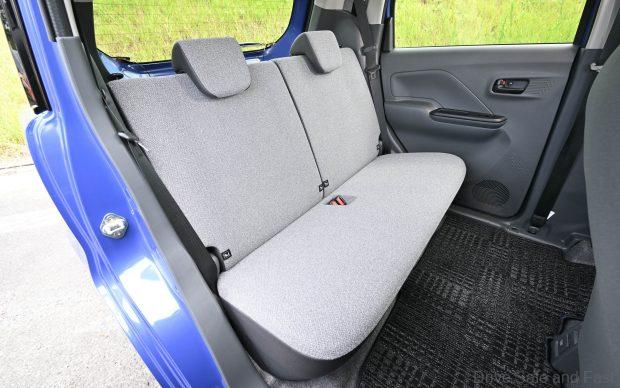
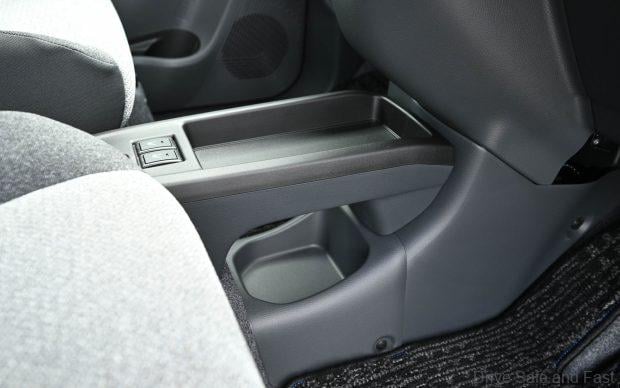
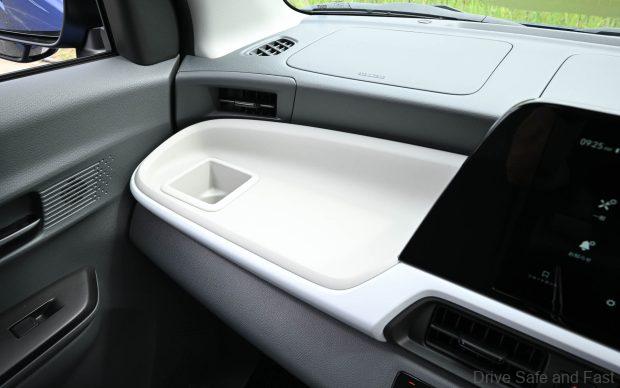
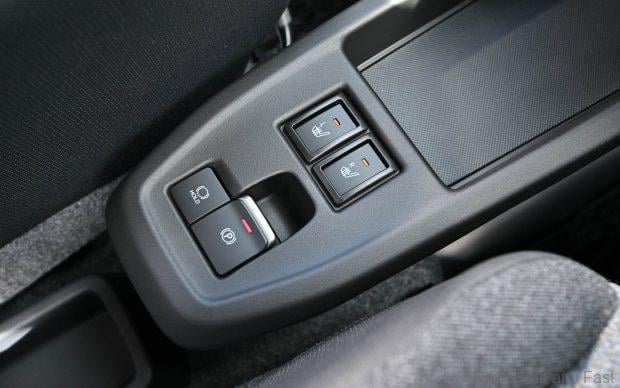
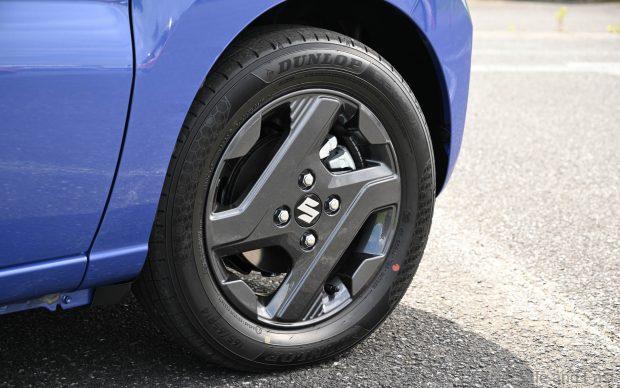
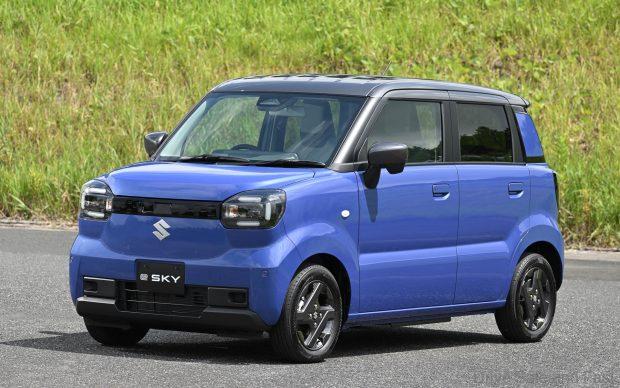
Suzuki Motor Corporation has officially revealed the prototype of its first passenger electric minivehicle, the Suzuki e Sky.
Marking a major strategic step in Suzuki’s electrification roadmap, the tall-roof, five-door Suzuki e Sky electric kei car delivers a reference driving range of up to 310 kilometers on a single charge. This figure stands among the longest ranges in Japan’s lightweight vehicle segment, far surpassing the typical 180 km range offered by early market pioneers.
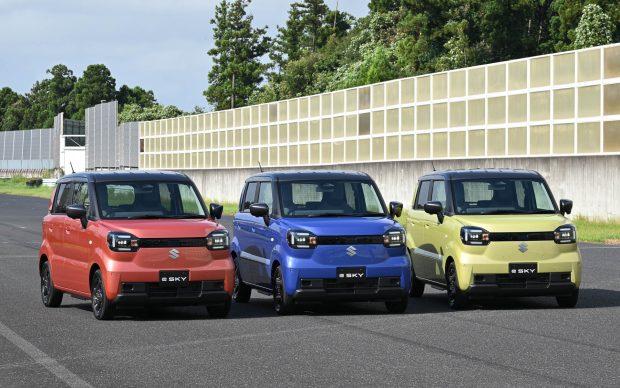
While final retail pricing has yet to be finalized, Suzuki aims to bring the production e Sky to Japanese showrooms within the current fiscal year, targeting an initial market rollout as early as autumn.
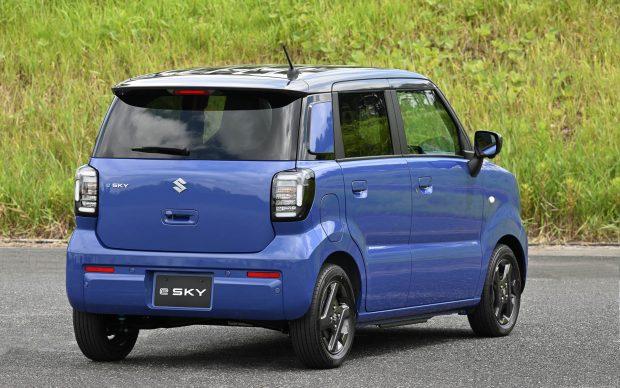
Compact Packaging Engineered for Urban and Rural Utility
The Suzuki e Sky stays faithful to the strict regulatory dimensions of the domestic kei car class while leveraging dedicated EV packaging:
- Dimensions and Maneuverability: Measures 3,395 mm long, 1,475 mm wide, and 1,625 mm tall, riding on a 2,460 mm wheelbase. A tight 4.4-meter turning radius ensures effortless navigation through narrow Japanese backstreets and congested parking lots.
- Lightweight Efficiency: Weighs in at approximately 1,030 kg, achieved through extensive structural optimization to maximize energy efficiency without compromising passenger space.
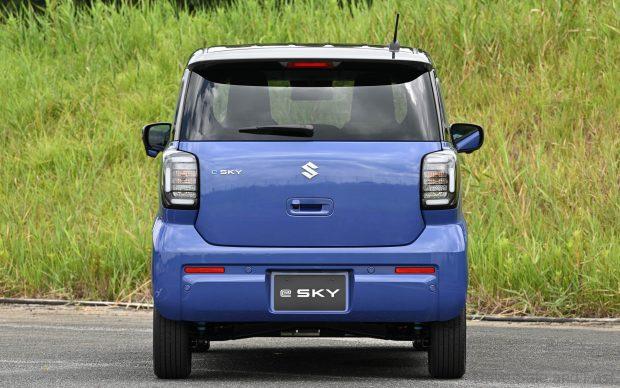
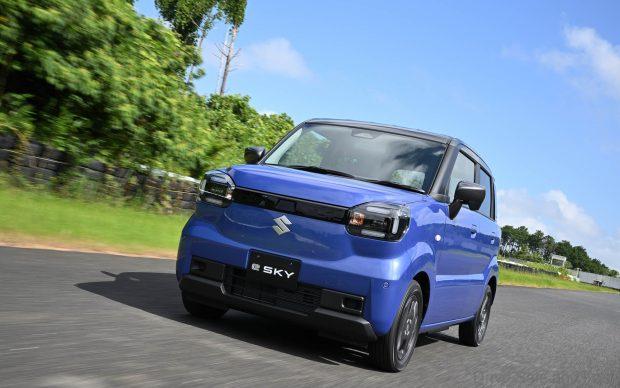
- Clean Exterior Aesthetic: Features a closed front fascia with rectangular LED headlamps, C-shaped light signatures, blacked-out pillars, and a practical upright tailgate.
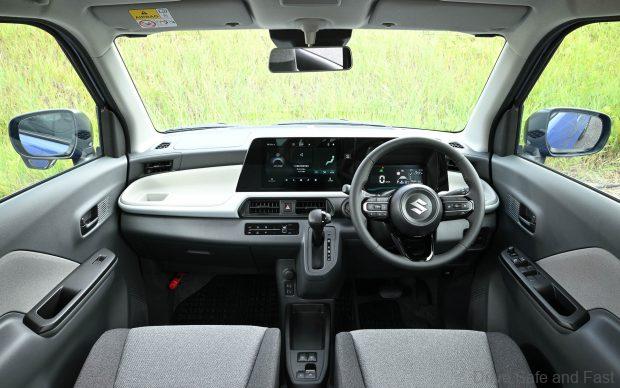
- Connected Digital Cockpit: Fitted with a 10.1-inch central touchscreen, digital driver display, and a range-aware navigation system that calculates efficient routes based on real-time traffic conditions and remaining battery state-of-charge.
- Smart Driving Functions: Incorporates an Easy Drive Pedal for one-pedal regenerative braking in stop-and-go city traffic, alongside Vehicle-to-Load (V2L) capability to power outdoor appliances or provide emergency household electricity.
Heating Up Japan’s Micro-EV Battlefield
Although lightweight kei cars account for nearly 40% of all passenger car sales in Japan, pure electric models represented just over 1% of kei passenger vehicle registrations in the first half of the year.
However, competition is accelerating rapidly across the segment:
- Domestic Pioneers: Nissan and Mitsubishi have established strong footholds with the Nissan Sakura and Mitsubishi eK X EV, while Honda offers the N-One e:.
- Foreign Disruptors: Chinese EV giant BYD launched its Japan-exclusive Racco electric minivehicle in July, offering up to 320 km of range and power sliding doors.
- Emerging Challengers: Yokohama-based EMT—a joint venture established in 2025 by five Japanese and Chinese firms including Autobacs Seven and Chery Automobile—plans to launch its own minivehicle entry by 2027.
Suzuki has openly welcomed the influx of rivals, emphasizing that expanding choices will stimulate broader consumer interest in micro-mobility electrification.
The Rural Advantage: Solving the Fuel Station Dilemma
While micro-EVs are traditionally viewed as city runabouts, automotive analysts at Nomura Securities emphasize that the biggest growth opportunity lies in regional and rural Japan.
Outside major metropolitan areas, smaller towns have experienced a steady decline in operational petrol stations. For rural residents who rely on kei cars for daily errands and short commutes, an electric vehicle offering a dependable 310 km range allows owners to conveniently charge overnight at home, bypassing rural fueling gaps while significantly reducing long-term running costs.