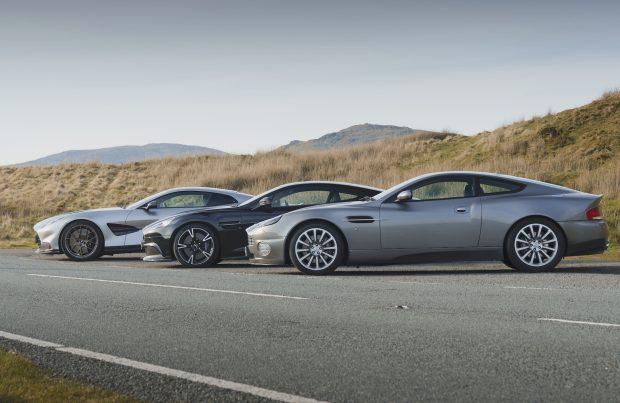


25 years ago, this month Aston Martin unveiled the V12 Vanquish which was an all-new nameplate for an all-new model that was, at the time, nothing less than the most sophisticated and technologically advanced sports car yet designed, developed and built by the brand.
Today, and now in its third distinct generation, Vanquish has been resurrected and remains the pinnacle of Aston Martin’s fabled front-engined sports car range. Showcasing exceptional in-house engineering ability, when it debuted in 2024 this third generation Super GT, with 835PS and 1000Nm of torque on tap, was the most potent flagship in the marque’s illustrious history.
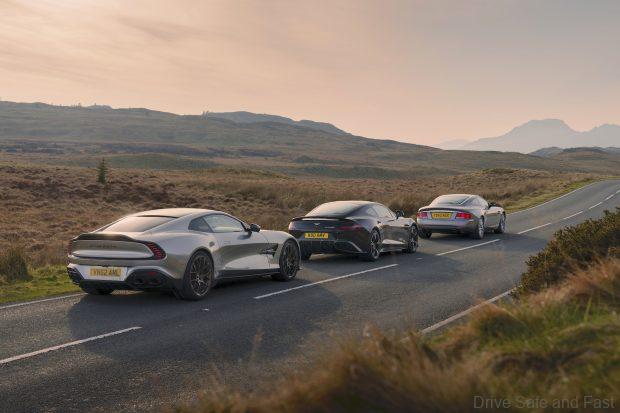
Aston Martin CEO, Adrian Hallmark, said: “Since its arrival 25 years ago, the Vanquish nameplate has been synonymous with something special; something ambitious, different and daring.”
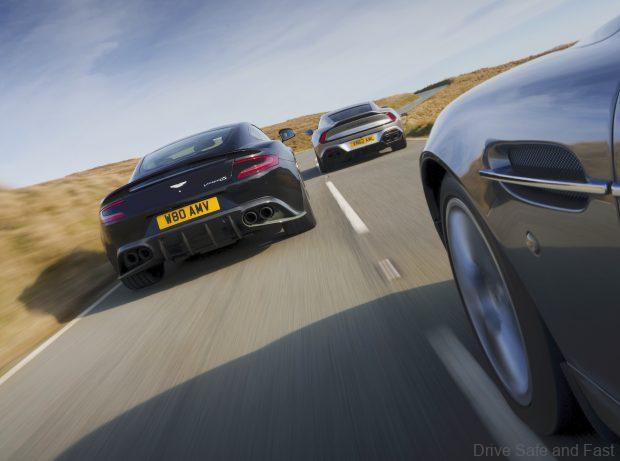
“Over those years Vanquish has grown into a true Aston Martin icon and, in 2026, it remains nothing less than a symbol of what this exceptional British marque is capable of creating. Like the fortunate owners who have chosen to add one, or more, of the three generations of Vanquish to their collections since 2001 I am immensely proud of what this model represents.”
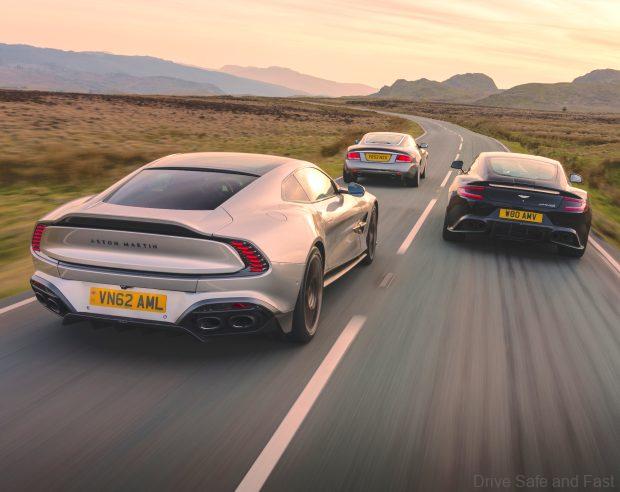
While the current model takes pride of place in the marque’s front-engined sports car line-up, the emotional and aspirational template for today’s astonishing 5.2-litre Twin-Turbo V12-powered halo model was developed a quarter of a century ago with the debut at the 2001 Geneva Motor Show of the first Aston Martin to bear the now illustrious Vanquish name.
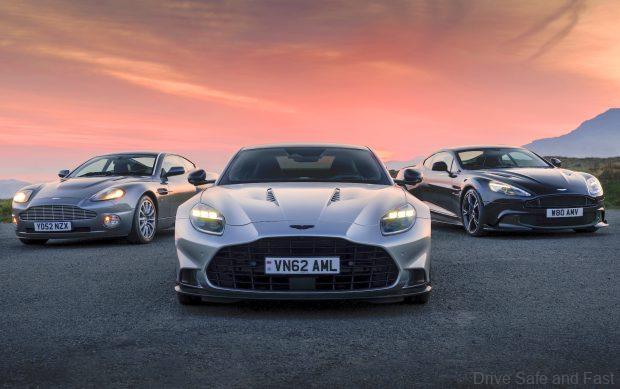
Specifications
The 2025 Vanquish is the most powerful series-production car in Aston Martin’s 111-year history.
Engine: A bespoke, hand-built 5.2-litre twin-turbocharged V12.
Power Output: 835 PS (824 bhp) and 1,000 Nm (738 lb-ft) of torque.
Top Speed: 214 mph (345 km/h), making it the fastest V12 series production Aston Martin.
Acceleration: 0–62 mph (0–100 km/h) in 3.3 seconds.
Transmission: Rear-mounted 8-speed ZF automatic transaxle paired with an electronic rear limited-slip differential (e-diff)
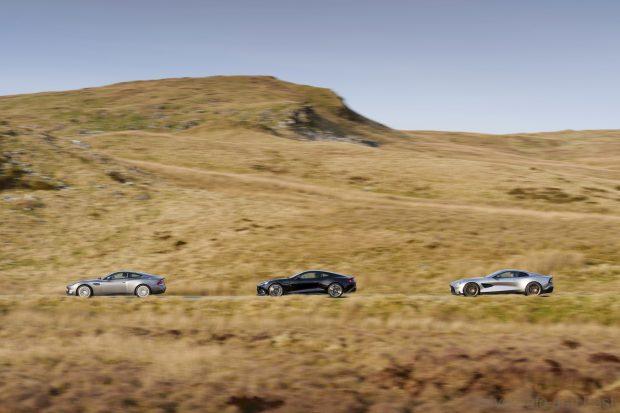
Highlights
Chassis: Features a bonded aluminium structure with a 75% increase in lateral stiffness compared to the outgoing DBS.
Body: Fully constructed from carbon fiber to reduce weight, featuring a wheelbase extended by 80mm for a more elegant profile.
Suspension: Utilizes next-generation Bilstein DTX adaptive dampers to provide a wider range between long-distance comfort and supercar agility.
Brakes: Large Carbon Ceramic brakes (410mm front, 360mm rear) are standard, reducing unsprung weight by 27kg.
Interior: A driver-focused two-seat cabin featuring a new 10.25-inch infotainment system developed in-house, a panoramic glass roof, and a 15-speaker Bowers & Wilkins sound system
Limited to fewer than 1,000 units per year to maintain exclusivity its asking price starts at 333,000 Pounds Sterling which is about RM1.7 million before import duties.