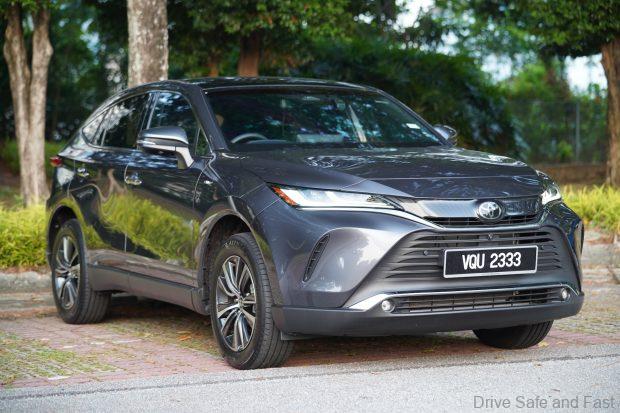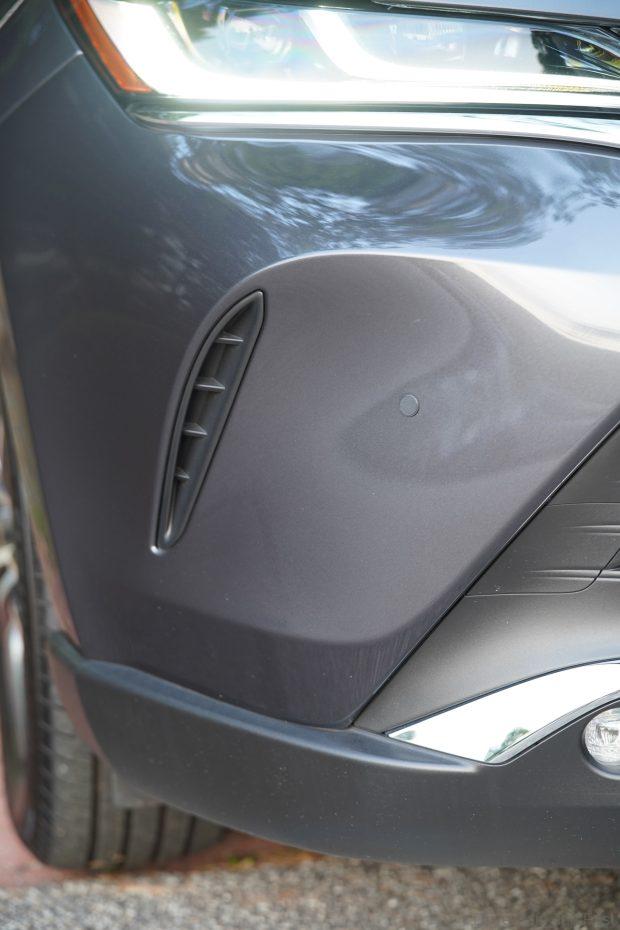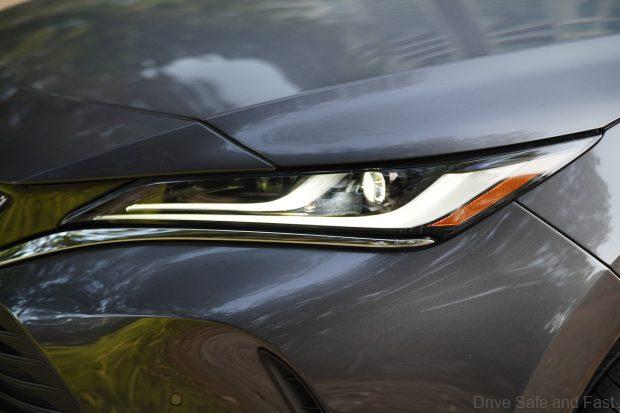


The latest Toyota Harrier is now available as a hybrid, but the pricing and equipment leaves a lot to be desired.
In the world of Malaysian automotive culture, few nameplates carry the distinct, sub-luxury cachet of the Toyota Harrier. For decades, the Harrier has been an effective SUV replacement to cars like the Mercedes-Benz E-Class. Its popularity soared in Malaysia after the Asian Financial Crisis in 1997 as middle class families were simultaneously looking for something more affordable and larger without compromising on comfort and luxury.
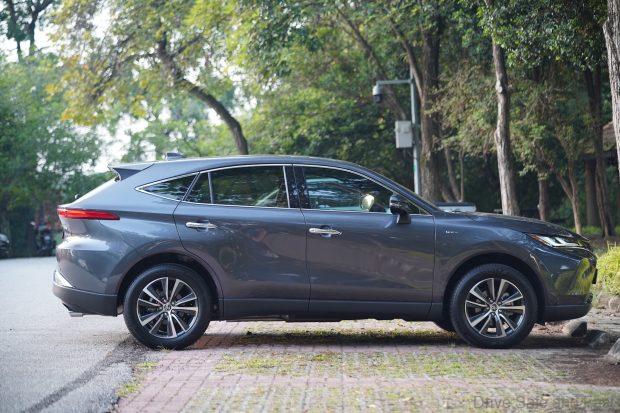
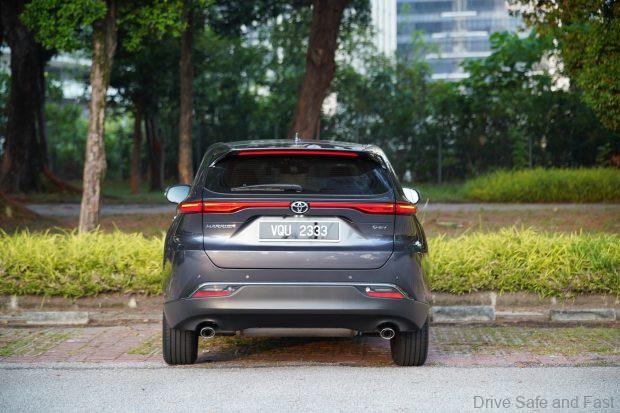
However, time moves quickly. As official distributor UMW Toyota Motor introduces the updated XU80-generation Toyota Harrier 2.5 HEV at a eye-watering RM289,000, the market landscape around it has undergone a seismic shift. In an era dominated by feature-packed, hyper-luxurious electric crossovers, can Toyota’s iconic crossover still justify its place, or has the Harrier finally lost its grip on the market?
A Brief History: From Recon Dominance to Official Identity Crisis
To understand why the 2026 Harrier feels so conflicted, one must look at where it came from. From the late 1990s through the mid-2010s, the Toyota Harrier wasn’t sold by officially by UMW Toyota. Instead, it was the reconditioned (“recon”) import market—primarily re-badged Lexus RX models from Japan—that cemented the Harrier into Malaysian motoring culture. Following the 1997 Asian Financial Crisis, local business owners shifted away from flashier German saloons like the Mercedes-Benz E-Class and BMW 5 Series toward something more durable, reliable, and practical, yet still carrying a dignified touch of luxury.
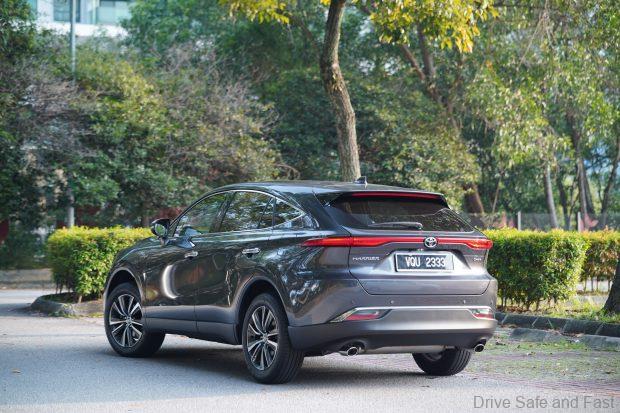
For nearly two decades, the Harrier enjoyed unchallenged dominance in this niche. German brands had not yet flooded the market with mid-sized luxury crossovers like the BMW X3 or Mercedes-Benz GLC. The Harrier was the right car at the right time.
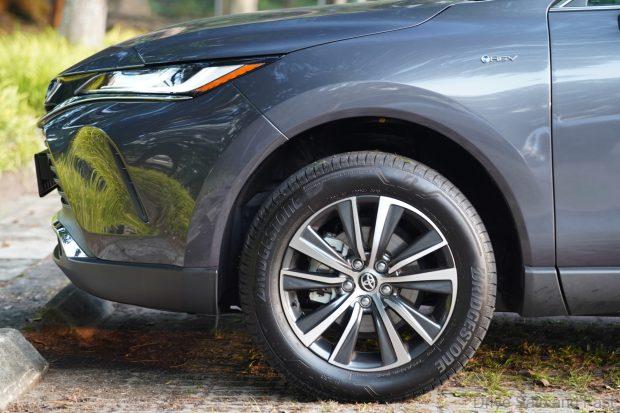
Today, however, the playing field is radically different. SUVs are ubiquitous, electric vehicle (EV) offerings are undercutting traditional internal combustion engine (ICE) pricing, and consumer expectations for cabin technology have exploded. Just as UMW Toyota fully commits to the Harrier by offering it exclusively in this high-spec 2.5-liter Hybrid Electric Vehicle (HEV) trim, the car itself finds itself in an awkward middle ground: too expensive to compete with mass-market family haulers, yet not quite premium enough to fend off modern luxury rivals.
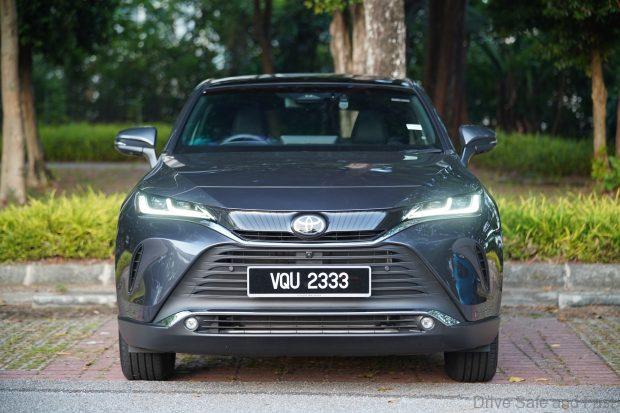
Ride Quality and JDM Luxury: Where the Harrier Shines
Despite its market positioning challenges, evaluating the Harrier strictly on its core mechanical merits reveals that Toyota hasn’t forgotten how to build a remarkably comfortable cruiser.
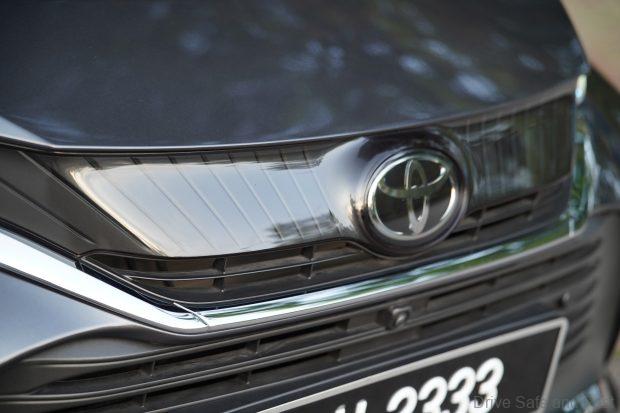
Suspended in Bliss
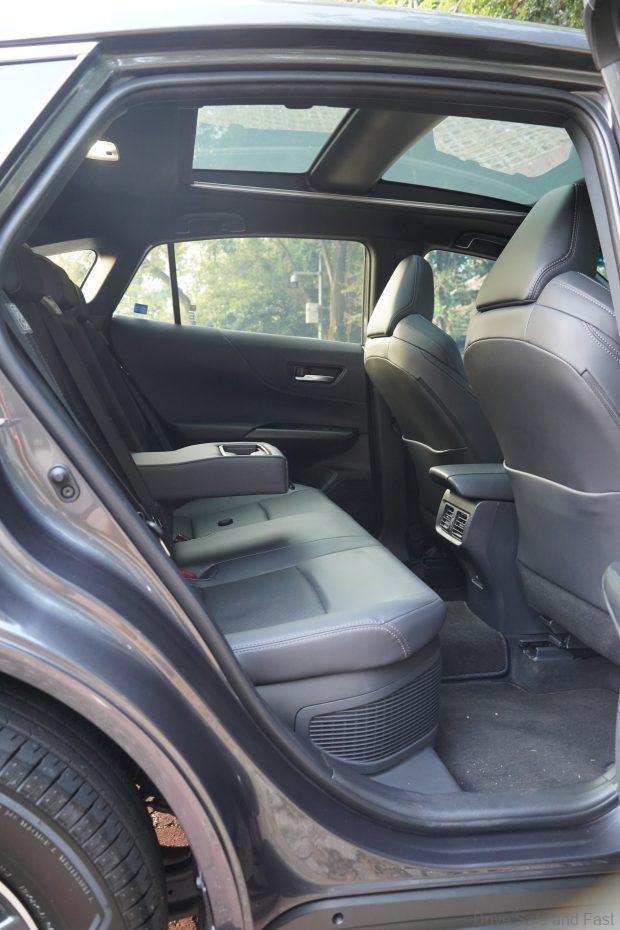
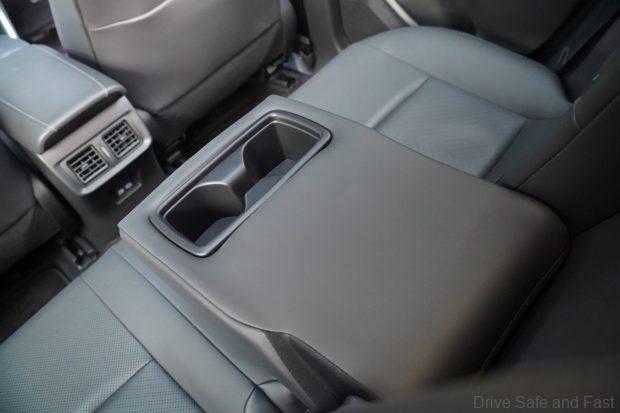
Built on the acclaimed TNGA-K platform (Toyota New Global Architecture), featuring MacPherson struts up front and a trailing double-wishbone setup at the rear, the Harrier HEV delivers an exceptional ride. On rough roads, over harsh speed bumps, and through rutted city streets, the chassis glides with a plushness that few non-air-suspended vehicles can match. Rear passenger comfort is a particular highlight. Legroom is generous, the rear bench reclines, and high-speed stability on the highway is exceptionally well-sorted.
“Crown-Style” Japanese Subtlety
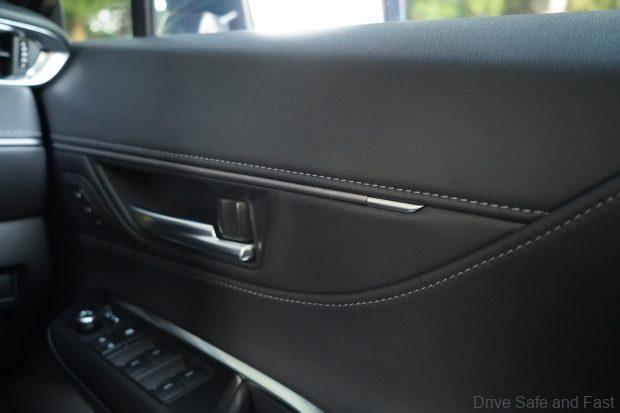
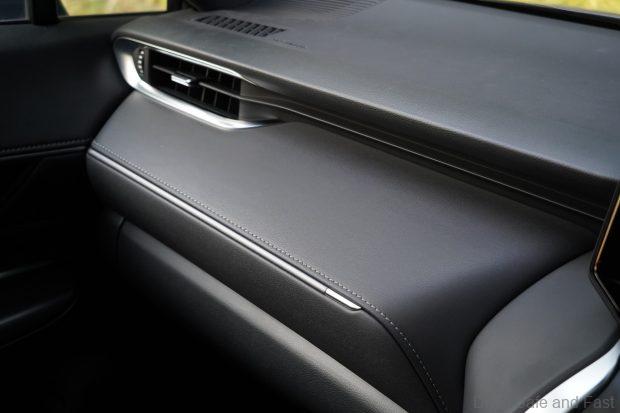
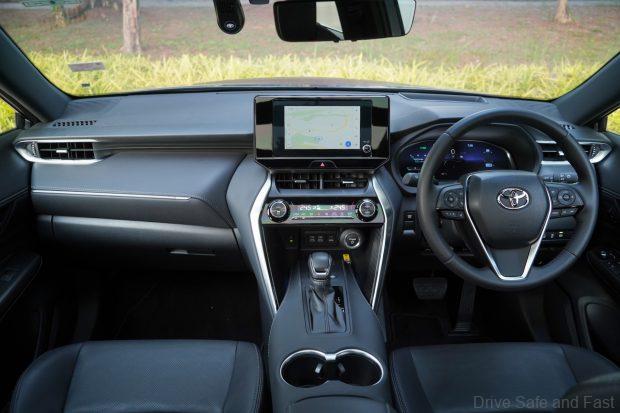
The interior execution leans heavily into the Japanese Domestic Market (JDM) philosophy of luxury—subtle, functional, and non-ostentatious. Key touchpoints where hands naturally rest are clad in ultra-soft leather with plush padding underneath.
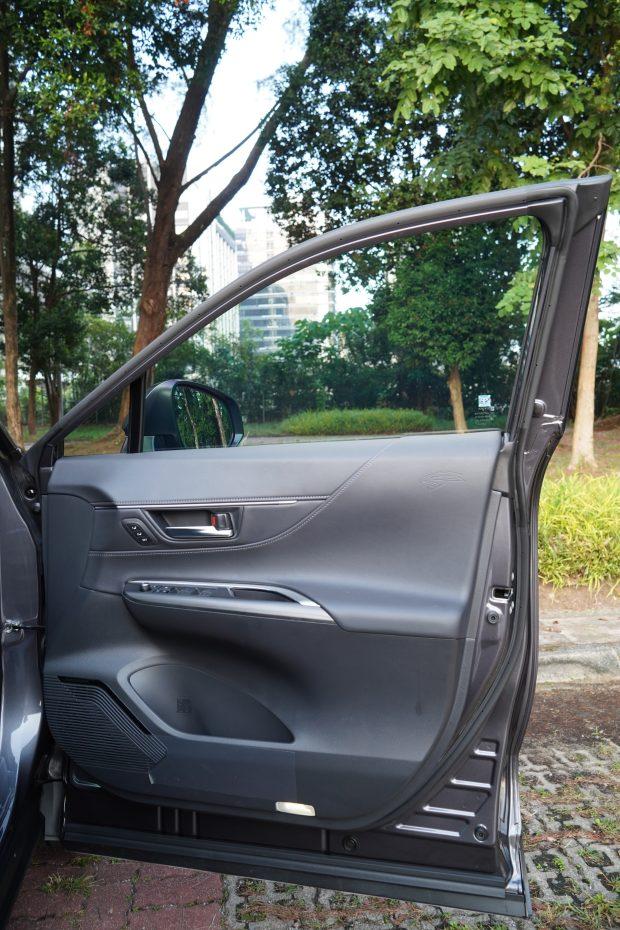
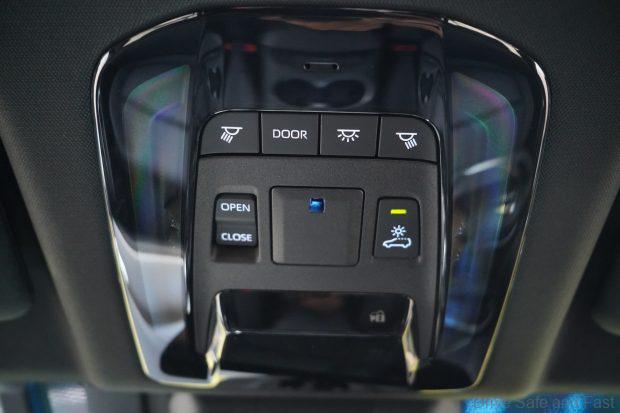
The centerpiece of this comfort-first approach is the fixed panoramic moonroof featuring electrochromic photochromic glass. With the touch of a button, the glass transitions instantly from clear to frosted translucent, diffusing harsh sunlight while keeping the cabin bright. Crucially for tropical climates like Malaysia, Toyota has retained a fully opaque, motorized physical sunshade beneath the glass. On scorching afternoons, closing the shade completely blocks out radiant heat—a thoughtful engineering touch that puts many Chinese and Continental glass-roof designs to shame.
Further enhancing cabin convenience are features such as:
- Power-Adjustable Steering Column with Auto Tilt-Away: Automatically retracts to allow effortless entry and exit for the driver.
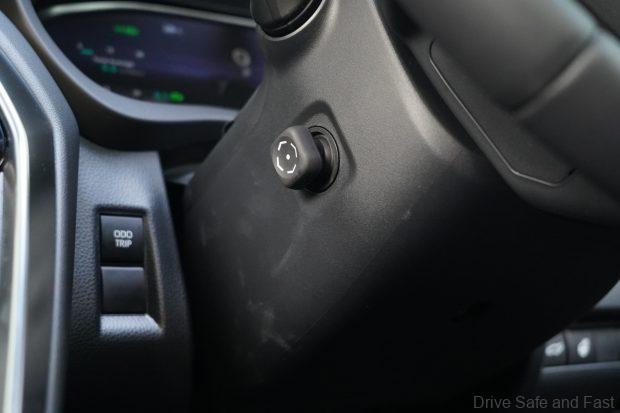
- 12.3-inch Digital Instrument Cluster: Crisp, fluid graphics that seamlessly project turn-by-turn navigation prompts directly from Apple CarPlay into the driver’s line of sight and a heads-up display.
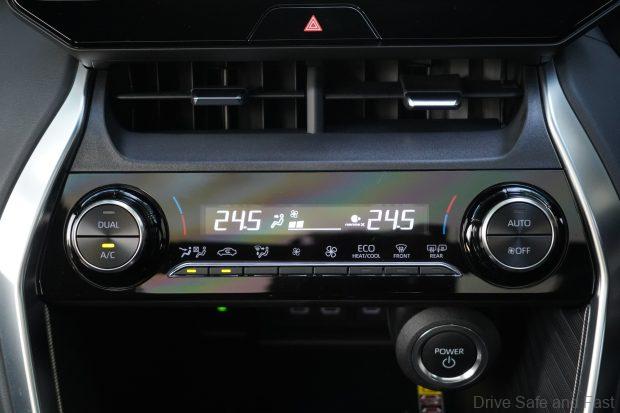
- Dual-Zone Air Conditioning with Nanoe™ X: Highly effective climate control designed specifically for hot environments, complete with air purification.
3. The Powertrain: A Massive Mechanical Upgrade with an NVH Asterisk
Mechanically, the introduction of Toyota’s 4th-generation hybrid system is the single best improvement to the XU80 generation. Replacing the underwhelming 2.0-liter naturally aspirated engine found in earlier variants, the new Harrier HEV combines a 2.5-liter A25A-FXS Dynamic Force four-cylinder engine with a permanent magnet synchronous electric motor.
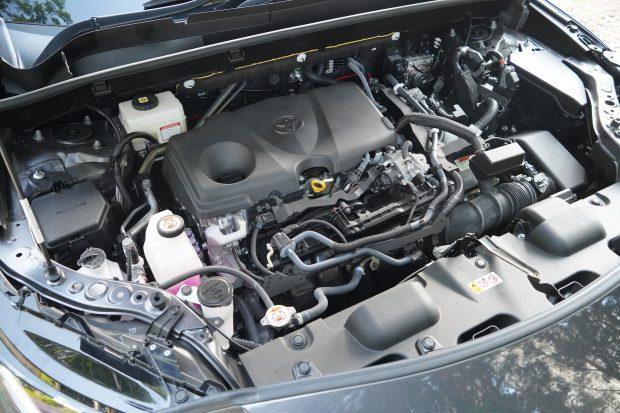
The 4th generation Toyota Hybrid Electric System in the Harrier HEV puts more emphasis on using the petrol motor in tandem with the electric motor. Other designs have started to shift the burden of moving the car towards the electric motor instead. This has some strengths and drawbacks. The biggest strength is superior high-speed fuel economy as the power split device allows both power sources to contribute to moving the wheels at any speed. Other designs have the petrol engine only drive the wheels at certain speeds or not at all.
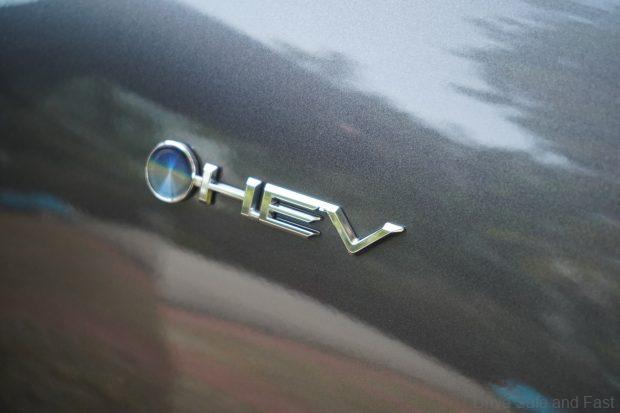
In practice, the Harrier HEV is no different to operate than the 2.0L petrol model it replaces. Just fuel up and go, no charging required. The biggest difference in practice is you’ll stop for fuel less often as efficiency is extremely high.
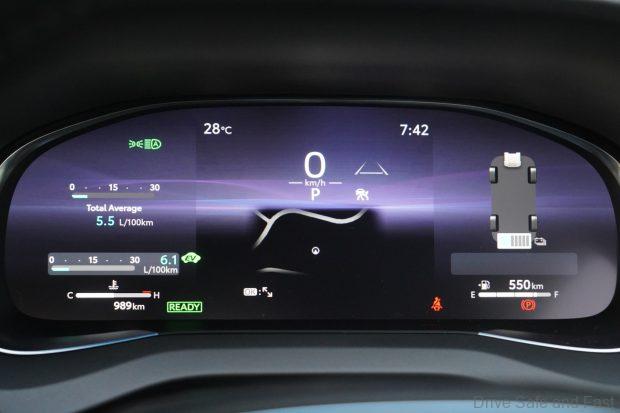
On the road, this hybrid setup completely transforms the driving dynamic too. Off-the-line response is immediate, smooth, and effortless thanks to the low-end torque of the electric motor. It doesn’t offer the violent, neck-snapping acceleration of a dual-motor electric vehicle, but it delivers a linear, confident wave of power that makes highway overtaking completely stress-free. Furthermore, fuel efficiency is remarkable for a vehicle weighing nearly 1.7 tonnes; real-world consumption easily hovers around the 4.5 to 5.0 L/100 km mark even under spirited driving. The HEV powertrain is also more suited to the Harrier overall versus the 2.0L naturally-aspirated motor it replaces. That previous motor loved to be revved but just didn’t fit the character of a cruiser.
The NVH Penalty
However, this powertrain comes with a noticeable compromise in Noise, Vibration, and Harshness (NVH).
When operating strictly in EV mode at low speeds or coasting along the highway, the Harrier is near-silent, rivaling high-end luxury vehicles. But the moment the lithium-ion battery requires topping up and the 2.5-liter engine fires up to act as a generator, the serene atmosphere is broken. The engine engages with an unrefined, low-frequency hum that vibrates mildly through the floorboard and gear selector. In a car designed around the concept of peaceful, isolated luxury, transitioning from near-silent electric gliding to a droning engine note feels jarring and out of character for a vehicle in this price bracket.
Where It Falls Short: Construction Quality, Switchgear and Infotainment Disappointments
While the ride comfort and hybrid efficiency score high marks, the interior execution drops the ball in critical areas—especially when evaluated against its RM289,000 price tag.
Unrefined Tactile Touchpoints
Step out of a Lexus NX or a European competitor and into the Harrier, and the cost-cutting becomes evident.
While the primary leather touchpoints feel luxurious, secondary controls suffer from a distinct lack of tactility:
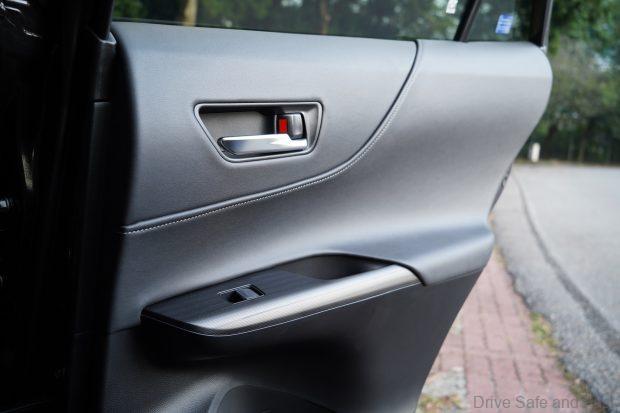
- The inner door handles feature unfinished, molded plastic undersides that feel cheap to the touch.
- The doors lack a solid, reassuring “thud” when closing.
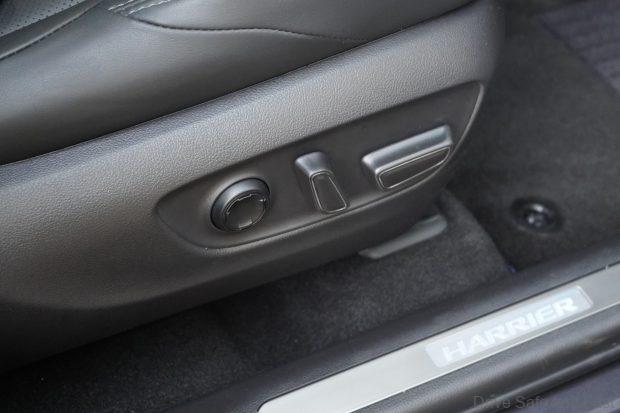
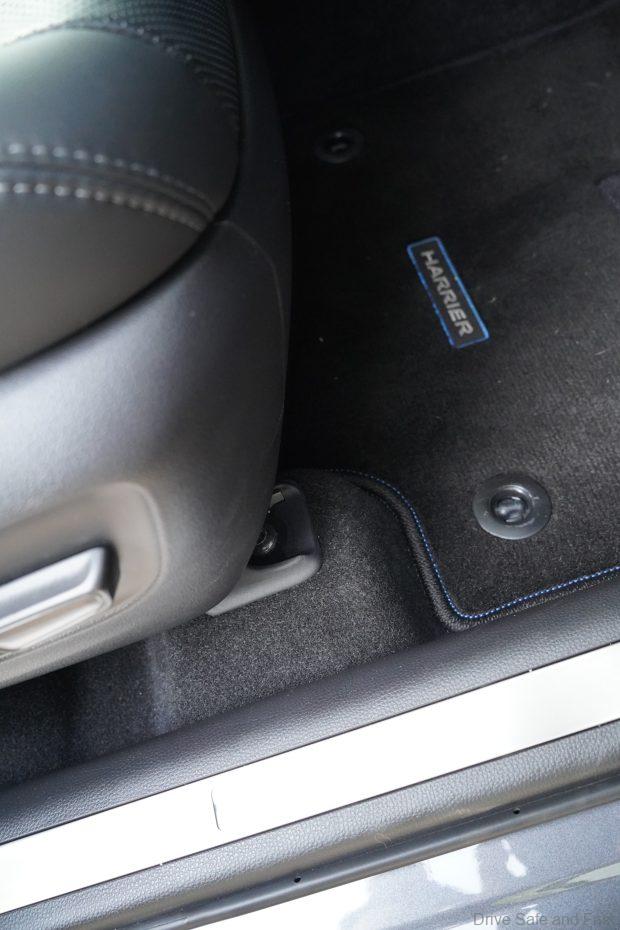
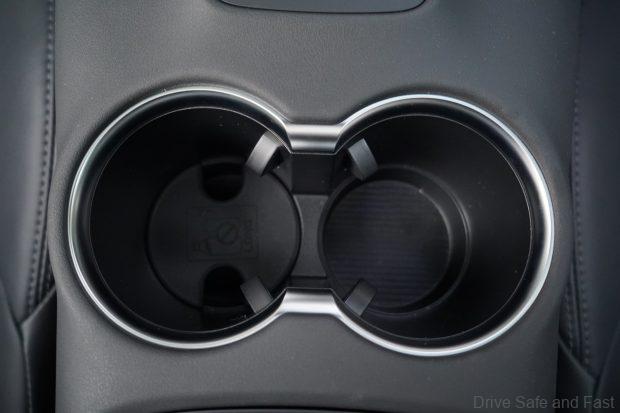
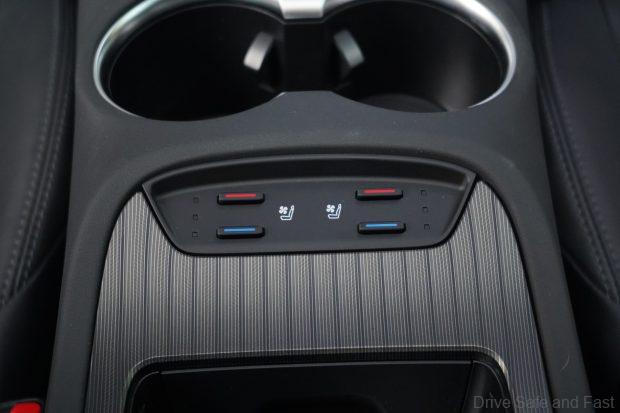
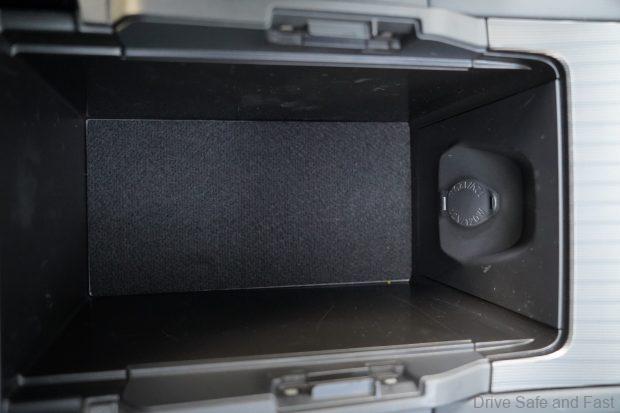
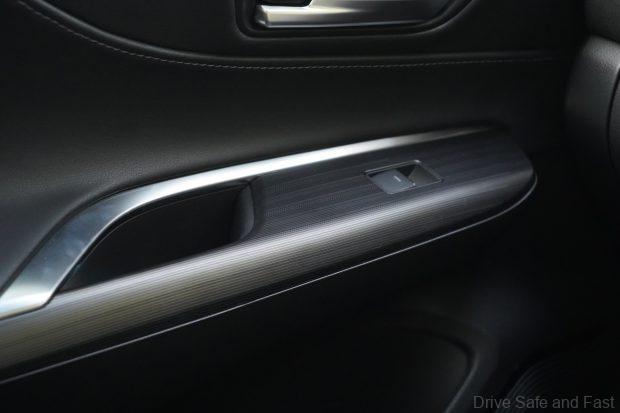
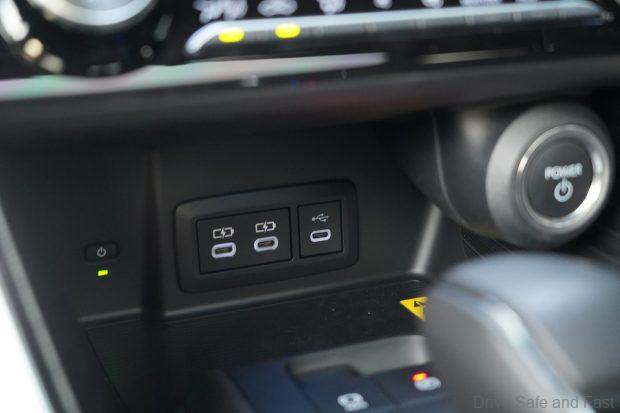
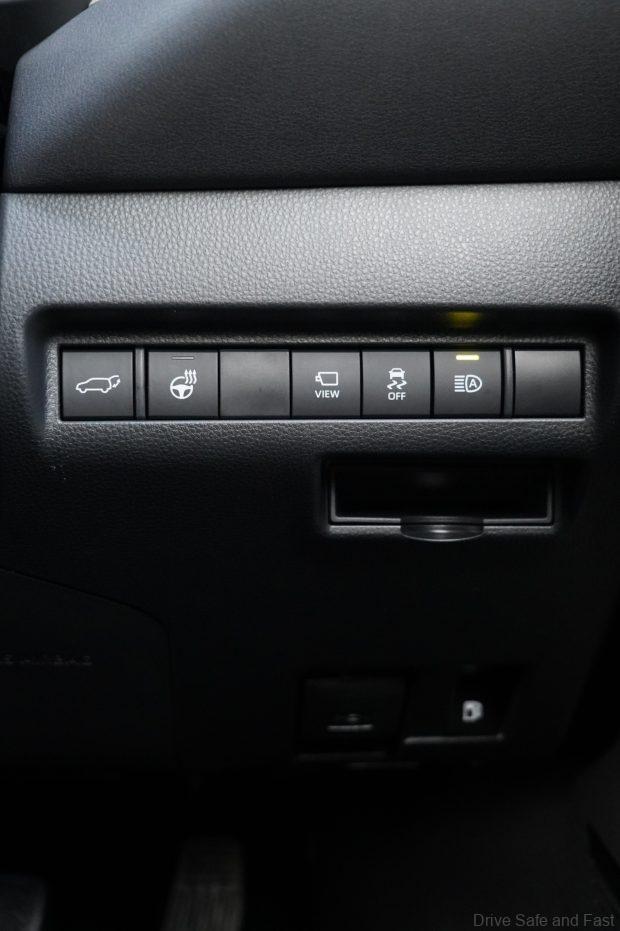
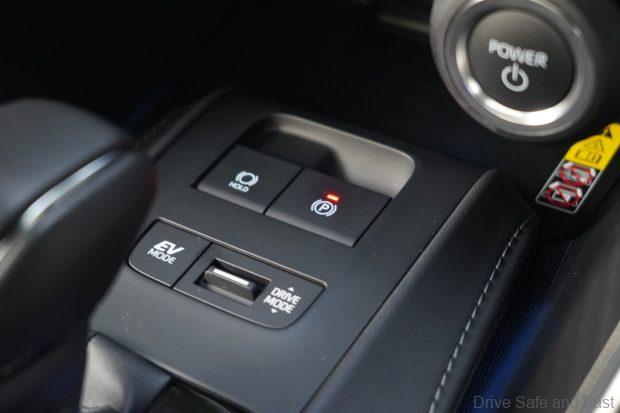
- Switchgear and air cond vents across the center console and climate control panel feels plasticky, lightweight, and devoid of the weighted dampening expected in a premium vehicle.
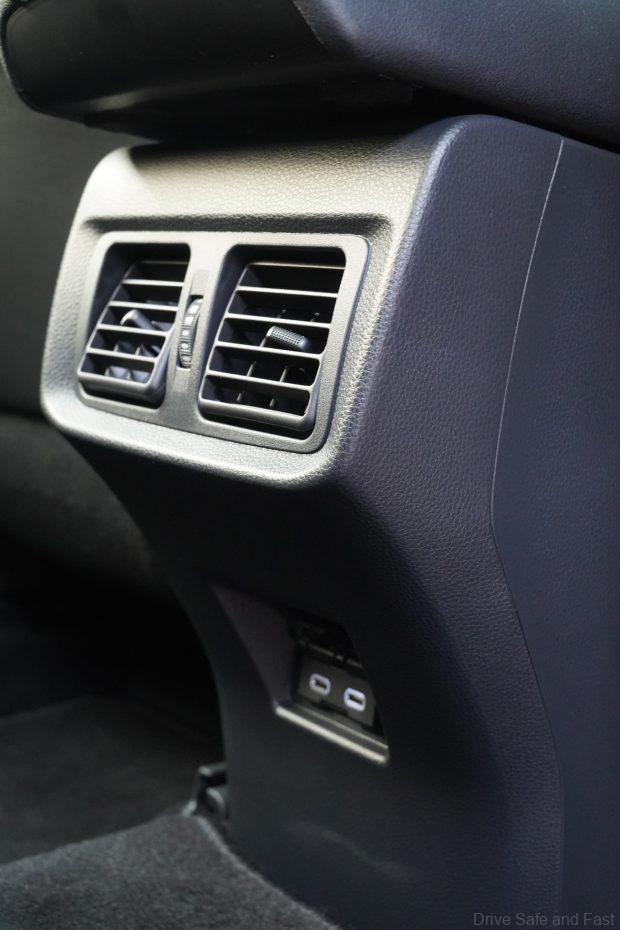
The Infotainment Screen
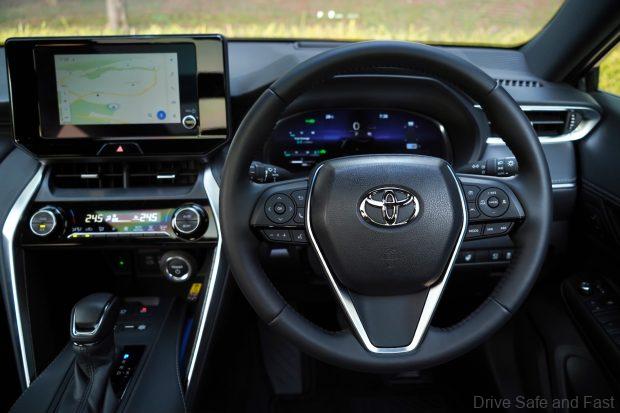
The most egregious flaw in the entire vehicle is the central infotainment display. While the driver receives a modern, beautiful 12.3-inch digital gauge cluster, the center dashboard is burdened with a surprisingly small 8-inch Display Audio unit surrounded by thick, outdated plastic bezels.
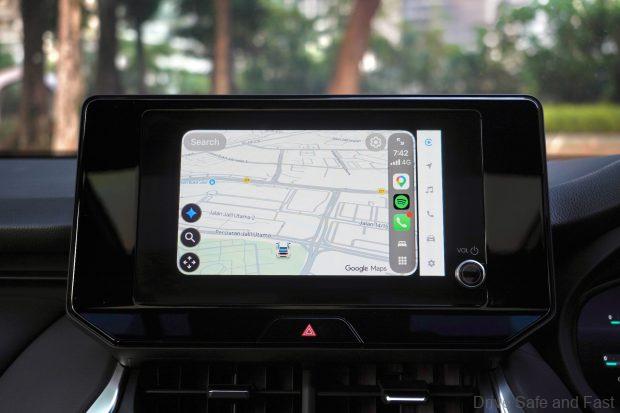
Even though the system includes wireless Apple CarPlay, wired Android Auto, and a wireless Qi charging pad, the tiny screen looks vastly out of place in a RM290k automobile. For a vehicle pitching itself as a modern executive crossover, forcing buyers to look at a small screen framed by oversized bezels is a major specification oversight that hurts the overall cabin experience.
Pricing and Verdict: Overpriced JDM Charm in a Changed World
At RM289,000 (On-The-Road without insurance), the Toyota Harrier 2.5 HEV faces a severe identity crisis in today’s market.
The Competitive Landscape
To put this price tag into perspective, buyers in 2026 are spoiled for choice across both ICE, hybrid, and electric segments:
- Mass-Market Hybrids (e.g., Honda CR-V e:HEV): Retailing near the RM195,000 to RM200,000 mark, a top-spec CR-V Hybrid offers a larger infotainment screen, highly practical interior space, and a mature hybrid system for nearly RM90,000 less. While the CR-V lacks the Harrier’s plush suspension and JDM prestige, it is a far more honest, value-packed proposition.
- Next-Generation Premium EVs (e.g., Zeekr 7X, Smart #5): Sitting in the RM220,000 to RM250,000 range, modern electric crossovers offer drastically superior cabin technology, whisper-quiet operation without engine clatter, neck-snapping performance, and interiors that feel substantially more luxurious than the Harrier—all while undercutting Toyota’s price by tens of thousands of ringgit.
The 2026 Toyota Harrier 2.5 HEV is by no means a bad motor vehicle. If your primary criteria are supreme ride comfort, proven long-term mechanical reliability, exceptional fuel economy, and that subtle, dignified JDM aesthetic, the Harrier remains a delightfully relaxing car to live with. It is a peaceful, comfortable vehicle to ferry aging parents or family members around town in.
However, Toyota’s pricing strategy has pushed the Harrier into a corner it can no longer defend. At nearly RM300,000, its cheap switchgear, perceivable engine-recharge cycle, and tiny infotainment display are impossible to ignore.
2026 Toyota Harrier HEV Specifications
Engine: Inline-4, 16V, DOHC, Petrol Hybrid
Capacity: 2,487cc
Gearbox: e-CVT automatic (FWD)
Max Power: 178PS, 120PS (electric)
Max Torque: 221Nm, 202Nm (electric)
Total System Power: 217PS
Price: RM289,000