


Indonesia may Electric Vehicle Transition with New Incentives.
Indonesia seems to be pushing ahead with its transition to electric-based vehicles, with high-level discussions underway to formulate a new package of EV incentives for both cars and two-wheelers. This strategic move is part of President Prabowo Subianto‘s directive to reduce the nation’s reliance on fossil fuels and develop its domestic automotive industry. For Malaysian automotive news readers, this signals a significant acceleration in the regional electric vehicle landscape.

Indonesia’s Finance Minister Purbaya Yudhi Sadewa confirmed that the government is actively discussing potential electric car incentives with regulators and industry stakeholders. Speaking to reporters on April 10th in Jakarta, Sadewa noted that the Association of Indonesian Automotive Industries (Gaikindo) has been invited to propose incentive schemes, though a final agreement has yet to be reached. This initiative aims to spur adoption in Indonesia, the largest economy in Southeast Asia.
The focus is not solely on four-wheelers. Minister Sadewa stated that the Finance Ministry is coordinating with Industry Minister Agus Gumiwang Kartasasmita regarding incentives for the dominant two-wheeler segment. These incentives are likely to be directed towards newer-generation electric two-wheelers. Minister Agus confirmed on April 9th that discussions on the size and structure of the incentives are still ongoing, highlighting the complexity of the regulatory preparations for EV adoption in the segment.

Minister Agus also outlined a strategy for conventional two-wheelers, confirming that their production will continue but will be redirected to overseas export markets, including non-traditional destinations.
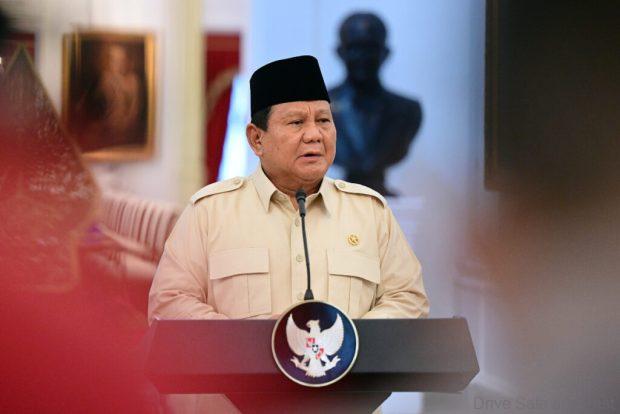
The push for electrification is underpinned by a clear governmental mandate. President Subianto emphasised the necessity of the transition, stating, “There is no other option but to transition to electricity as the need to cut dependence on fossil fuels becomes clearer,”.

Looking to the future, Indonesia has set an ambitious target to begin the mass production of electric sedans by 2028. This objective, also directed by President Subianto, underscores the nation’s commitment to establishing a robust domestic electric vehicle supply chain and industry. These developments in Indonesia are expected to have a ripple effect on the automotive market across the ASEAN region.

