


The EDGE publication has just published a very detailed article on the ‘still pending’ BYD investment in Malaysia and their ‘discussions’ with MITI on how to proceed with local assembly in Malaysia.
As we have been informed by people close to the matter, BYD electric vehicles and also their rising number of new and high technology hybrid models (new energy vehicles) use many components that come from within the BYD eco-system in China. Yes, BYD unlike many other auto manufacturers, also have their very own factories producing a number of key components for their own vehicles. This means, there is very little that they need from current Malaysian automotive vendors and we can assume that the local vendor prices are not favorable for BYD to purchase and use them.
Investing in a car assembly factory in Malaysia costs a lot ….. a lot ……. of money and if you have sales volume equal to a small town in China (below 50,000 units a year) it might seem less inviting when production costs are higher than your home factory.
We already know that most Malaysians buy Perodua and Proton models, due to their lower selling price point (Malaysian Government has to protect Proton and Perodua with lower duties and a controlled competitive selling price as the both manufacturers employ a lot of Malaysians and provide a lot of local jobs at the factories producing their parts).
Did you know that BYD has compact electric cars like the BYD Seagull (pictured below) which delivers about 405km of driving range and costs about USD9,000 in China (about RM39,000) which is lower than the selling prices of Proton’s and Perodua’s electric vehicles. The BYD Seagull cannot be sold in Malaysia for under RM99,999 to protect the sales of our national cars.
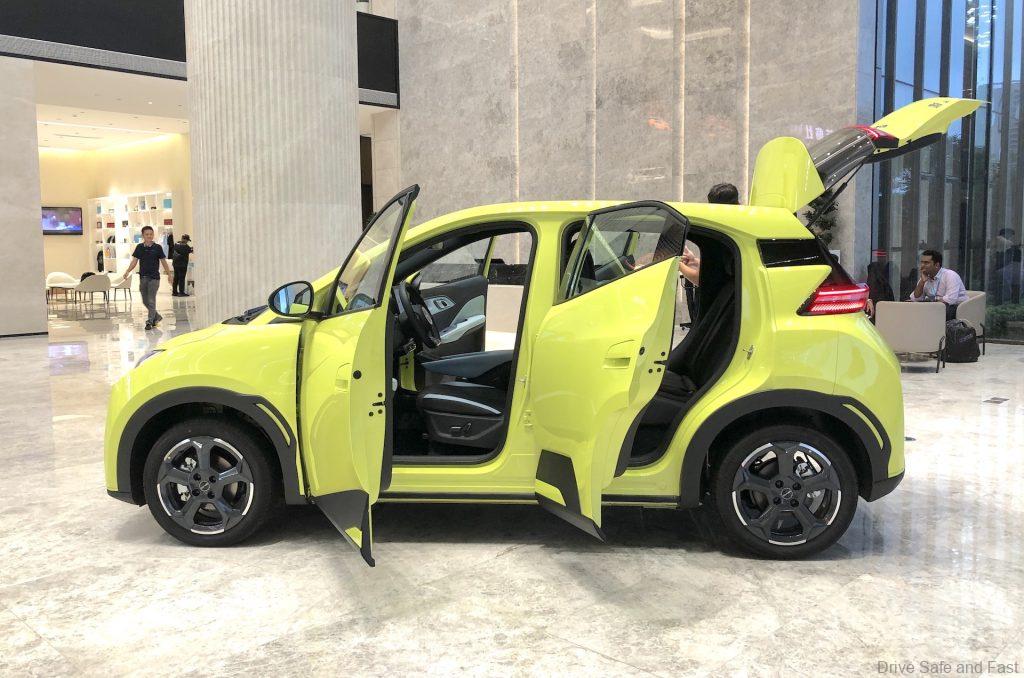
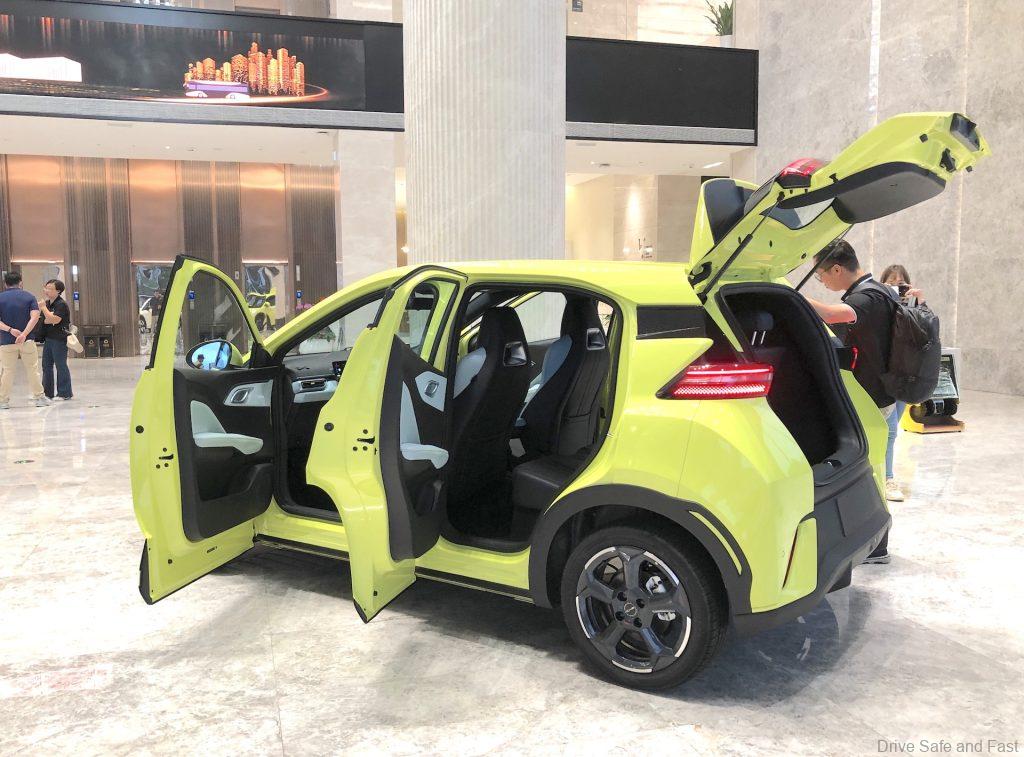
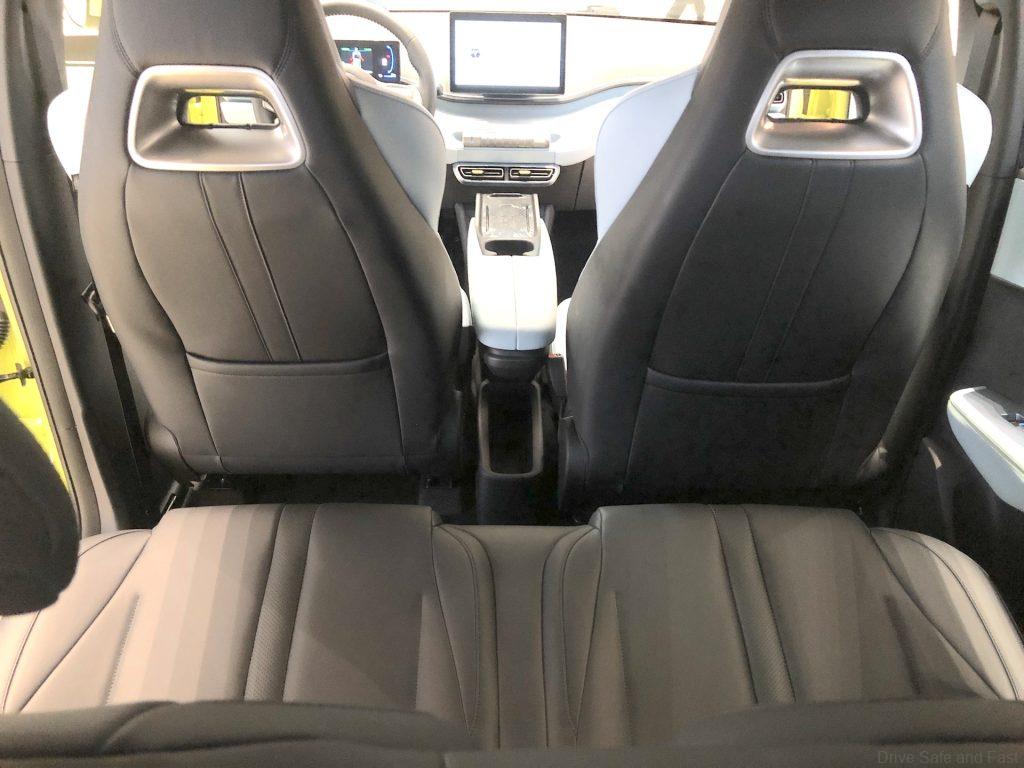
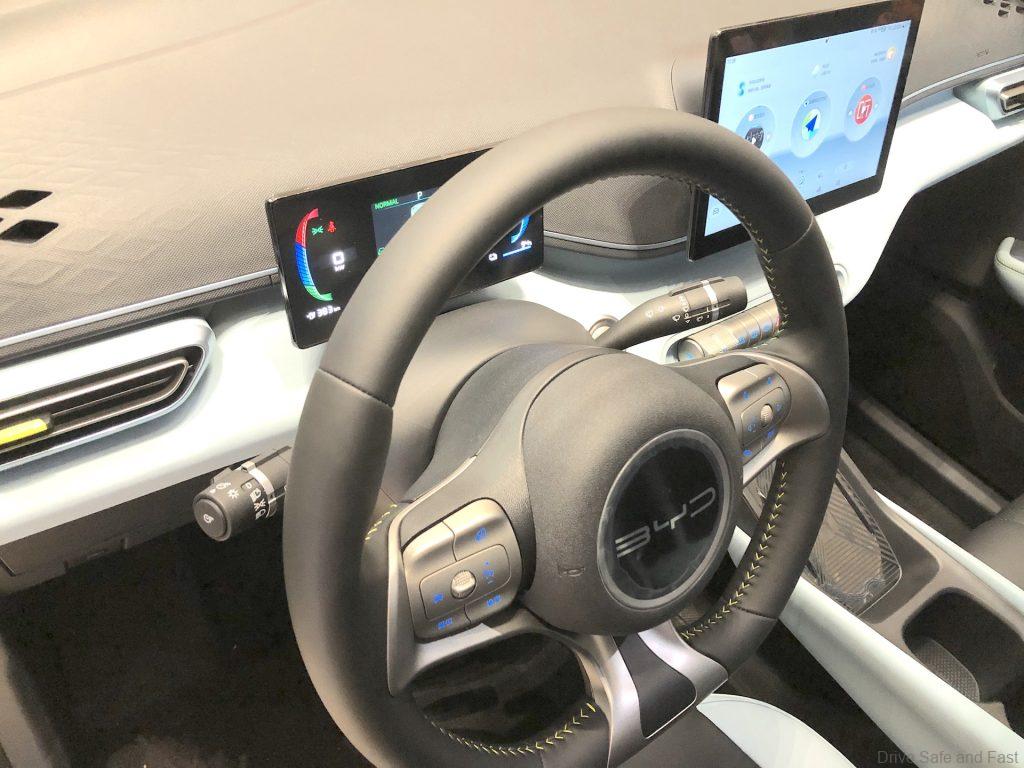
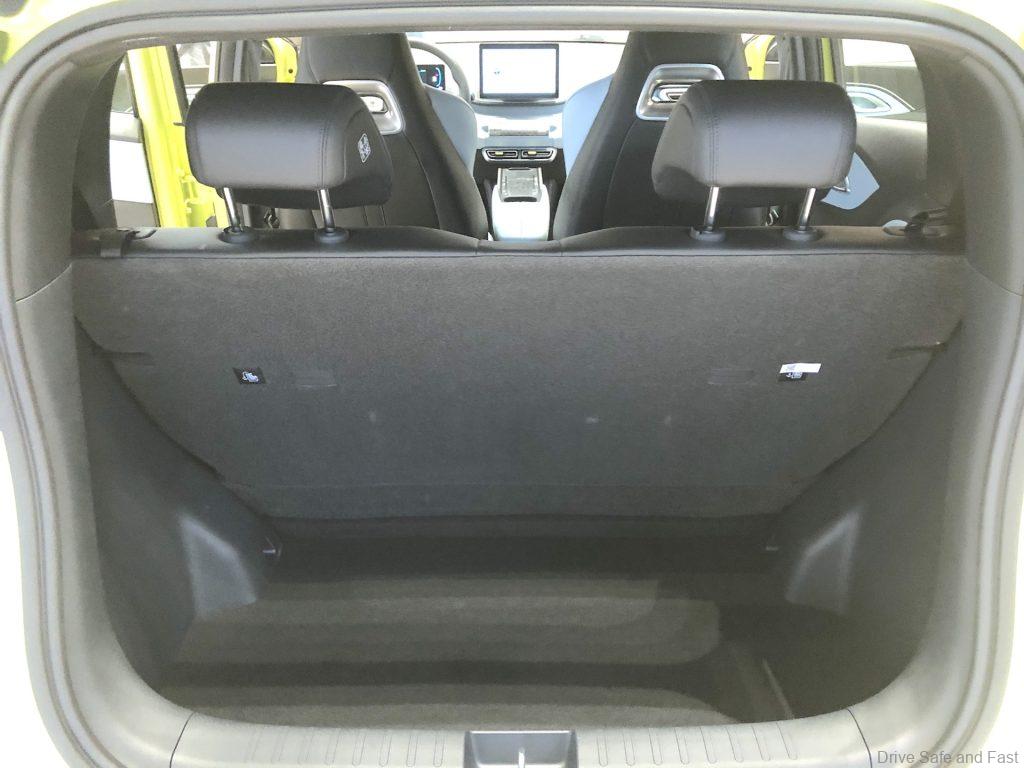
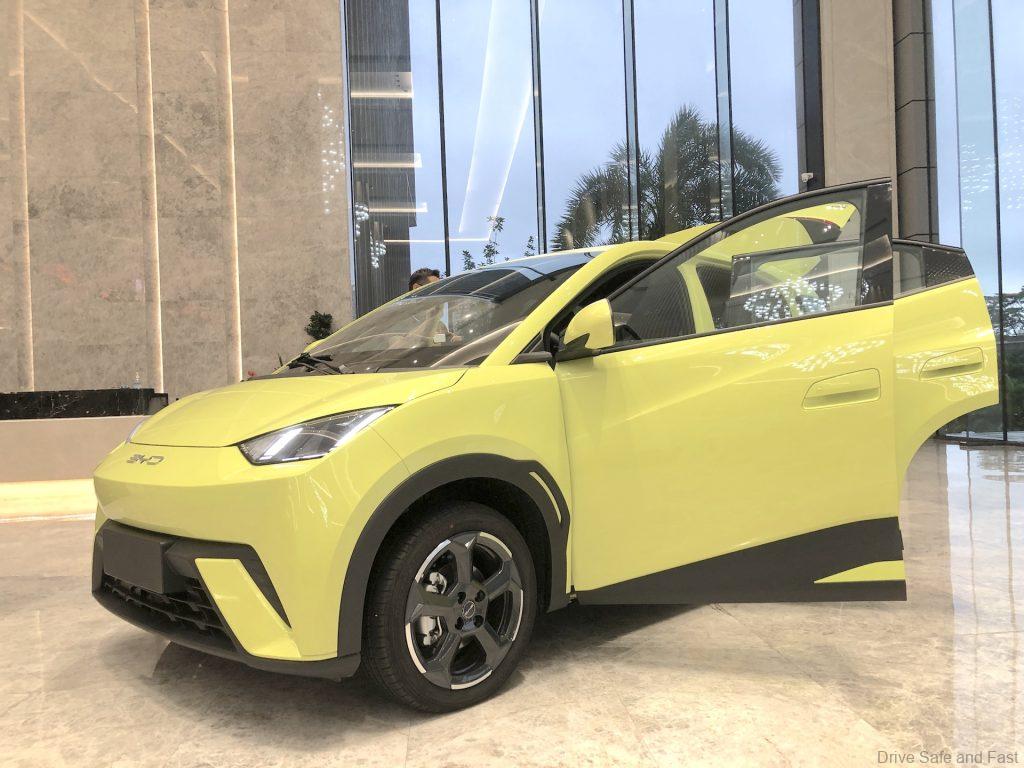
When BYD launched the popular Atto2 EV for RM100,000 and offered up to RM16,000 in rebate and free gifts, it caused a stir in the market as it was to closely priced (RM84k after rebate) to the Perodua QV-E which is priced at RM80k.
Meanwhile, Proton has managed to get more than 10,000 bookings of the e.MAS 5 (RM56,800 to RM72,800) and e.MAS 7 (RM109k to RM129k) electric cars due to its great features, battery technology and also price point.
So, while Malaysia offers a growing new energy auto market and strategic location, strict condition imposed by MITI, including 80% export quotas and a high minimum selling price (RM200,000) limit, plus add in the immediate appeal compared to more flexible auto markets like Thailand and Indonesia, BYD has more to gain by working with our neighbours who DO NOT HAVE a NATIONAL car protection policy.
Then, let us not forget about TESLA. Yes, this world’s 2nd largest EV manufacturer (BYD is now No.1 in the world), TESLA was given easy access to Malaysian consumers WITHOUT needing to partner with an Approved Permit (AP) partner and no local assembly needed to get reduced import duties. Yes, Tesla got themselves a fantastic deal from MITI which is called the MITI BEV Global Leaders initiative, allowing them to circumvent standard local equity rules (Bumiputera quota) and traditional import licensing APs.
Tesla just had to commit to building superchargers (which benefits their own customers and they have to do this anyway) and establishing a local office and hire Malaysians (have to do anyway) in exchange for these special privileges, which are part of a government initiative to boost the local EV ecosystem.
So, we wonder, why BYD and XPENG, iCAUR and Zeekr and Chery are all not accorded the same incentives as Tesla by MITI?
Meanwhile, by now most of you know about the corruption that plagued the
Malaysia Automotive, Robotics and IoT Institute (MARii), under its former CEO Madani Sahari. MARii was an agency under MITI and was mandated to provide sectoral input, policy authority resides with MITI officials. In March 2022, Madani Sahari was arrested by the Malaysian Anti-Corruption Commission on corruption charges. In 2024, he was convicted and sentenced to one year of imprisonment.
During this period, many MARii staff left the organisation and many of Madani Sahari’s motoring media GOOD friends suddenly went quiet). Rebuilding its image and working to better MITI’s automotive policy, plus stabilising MARii has been tasked to its current CEO, Azrul Reza Aziz, who assumed the role in April 2023 (we are still waiting to meet and interview him). This will require time and better governance. Meanwhile, MARii is busy organising yearly Motor Shows and making sure auto manufacturers take part and pay the booth fees to maintain their incentives from MITI.
In case you were wondering …… here below is some important and very insightful paragraphs from the recent EDGE newspaper article …….
theedgemalaysia.com, 29 Apr ’26
The public response and continued discussion surrounding this issue indicate the need for MITI to update its National Automotive Policy (NAP) and improve the communication of its policies to the public.
What has changed since the launch of the NAP in 2020?
When the NAP was launched in early 2020, its focus was threefold: (i) Next-Generation Vehicles (NxGV), within which electric vehicles formed only one component; (ii) Mobility as a Service (MaaS), aimed at preparing Malaysians for alternative ownership models; and (iii) Industrial Revolution 4.0 in manufacturing and assembly processes.
Since then, three developments in the automotive sector have emerged, necessitating an update of the NAP. First, the development of China’s EV industry has altered the global market, with several manufacturers entering international markets with competitively priced EVs, including BYD, Chery, Zeekr and XPeng.
Secondly, several of these Chinese EV manufacturers have established joint ventures in Malaysia to assemble completely knocked down (CKD) units. These include Chery, in partnership with Legenda Beringin, involving an investment of MYR 2.2 billion (US$ 556.6 million) in a facility in Hulu Selangor to assemble internal combustion engine (ICE) vehicles, plug-in hybrid electric vehicles and EVs, with a target of 100,000 units annually; Zeekr, which plans to assemble its EVs at Proton’s facility in Tanjung Malim; XPeng, through a joint venture with EPMB to assemble a range of SUV and MPV EVs, including range-extended EVs, in Melaka; and Great Wall Motors, which is producing its Haval line of hybrid EVs in Melaka.
Thirdly, there has been an increase in the price of unsubsidised petrol and diesel in Malaysia following the blockade of the Strait of Hormuz.
Within this context, the decision to impose export and localisation conditions on the proposed BYD plant in Tanjung Malim should be evaluated.
The challenge facing MITI in the automotive sector extends beyond the situation involving BYD. Consideration must also be given to the potential impact of increasing EV sales in Malaysia, particularly those of Chinese origin, even when assembled locally. This trend may affect the automotive components ecosystem, which includes local vendors and manufacturers of spare parts, car seats and electronic components. A report on this ecosystem was commissioned by the Malaysian Automotive Component Parts Manufacturers last year and submitted to MITI for further study, with the aim of aligning government automotive policies with the growing presence of Chinese EV assemblers. One area identified is the development of Malaysia’s ecosystem for electrical and electronic components in EVs, which is linked to moving up the value chain in the semiconductor sector, as outlined in the New Industrial Master Plan 2030.
In addition, MITI is required to improve transparency in the deliberations and decision-making processes of the Automotive Business Development Committee (ABDC), a body responsible for evaluating incentive applications under programmes such as the Multi Sourcing Parts Programme and the Industrial Linkage Programme. This committee recommends tax and other incentives for CKD players, influencing pricing and profitability. A scorecard system for the ABDC was reportedly developed under the leadership of former MITI minister Tengku Zafrul Aziz, although public disclosures regarding this system have been limited. Without greater transparency, debates over the pricing of CKD versus completely built-up EVs and ICE vehicles are likely to continue without sufficient publicly available information.
Editors Note:
So, for many of you who have been speaking to us recently (also the many listeners who tune in to our weekly radio show on BFM 89.9 every Wednesday from 8.00pm onwards) and wondering why this BYD and MITI issue is still being discussed, we hope that the above explains enough to make you understand how complicated the Malaysian automotive segment is and how difficult it is for any auto manufacturer to work with MARii and MITI when neighbouring Thailand and Indonesia has all requirements fairly and clearly laid out for long term investment to be done by all auto manufacturers in a fair system.

