

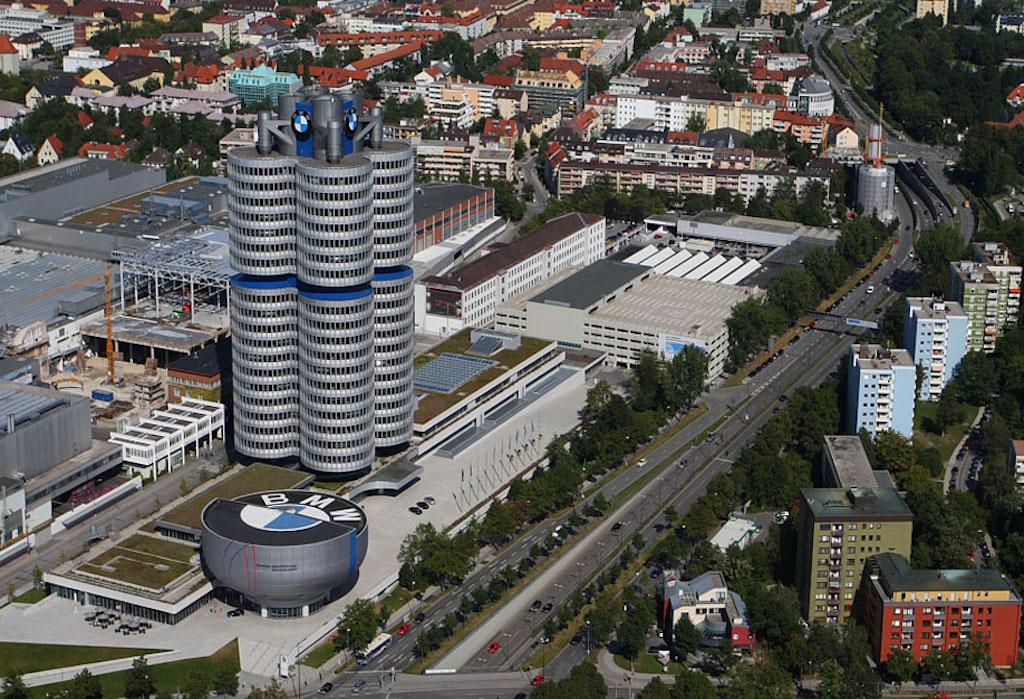
BMW is reducing headcount in their home country, and other German automakers will follow.
European automotive heavyweights are entering a period of deep structural realignment. In the latest sign of legacy automakers trimming fat to fight off hyper-competitive Chinese rivals, BMW has confirmed a voluntary redundancy program targeting up to 8,000 corporate and administrative jobs in Germany.
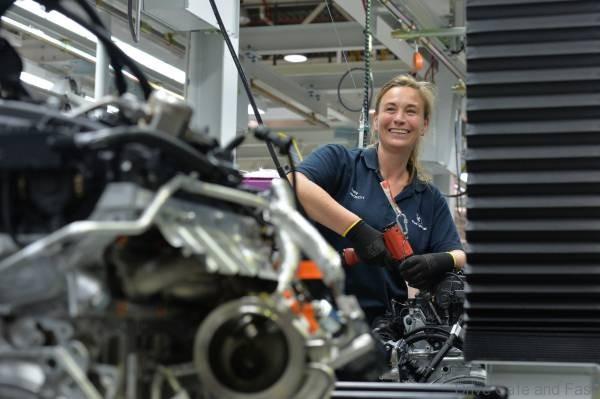
The move excludes floor production workers and follows the appointment of Milan Nedeljković as chief executive in May 2026. According to company spokespersons, the restructuring is designed to proactively adapt to geopolitical uncertainties, massive electrification costs, and shifting market dynamics—most notably in China, which was once the most profitable export destination for German luxury.
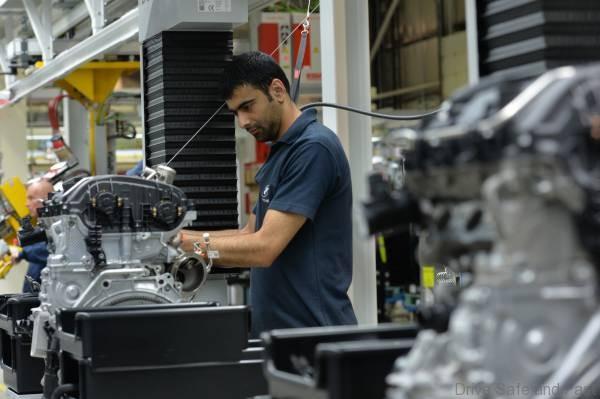
BMW’s announcement is far from an isolated incident across the European continent:
- Volkswagen Group: Germany’s largest vehicle manufacturer confirmed plans to eliminate as many as 100,000 positions from its global workforce of 650,000, alongside closing four factories and halving its active model portfolio.
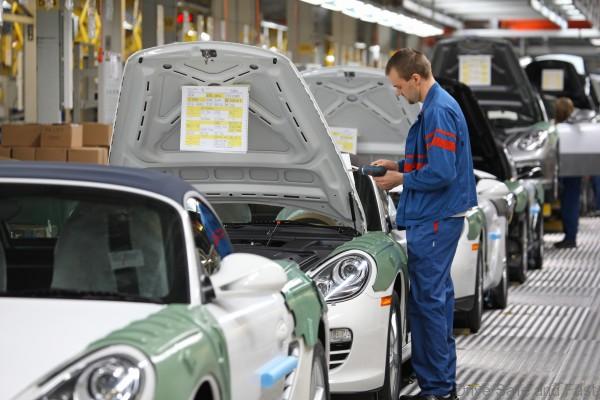
- Porsche: The Stuttgart-based sports car marque is executing a severe cost-cutting exercise, cutting an additional 5,000 roles to bring total planned redundancies to 9,000—representing nearly a fifth of its workforce by 2035. Porsche saw its sales in mainland China plummet by 30% in the first half of 2026 alone.
While European executives point to domestic price wars and shifting US tariff policies as key drivers, the structural squeeze is no longer confined to Western markets. The exact same competitive pressure is playing out across rapidly growing Asian markets, including Malaysia. For decades, German luxury marques held an almost unassailable aspirational status in Malaysia. However, official JPJ registration data reveals a massive shift in consumer behavior over the past two years.
- 2022 Chinese Market Share in Malaysia: 0.08% (~578 units)
- 2025 Chinese Market Share in Malaysia: 7.61% (~66,198 units)
- 1H 2026 Chinese Market Share in Malaysia: 8.92% (Nearly 1 in every 11 new registrations)
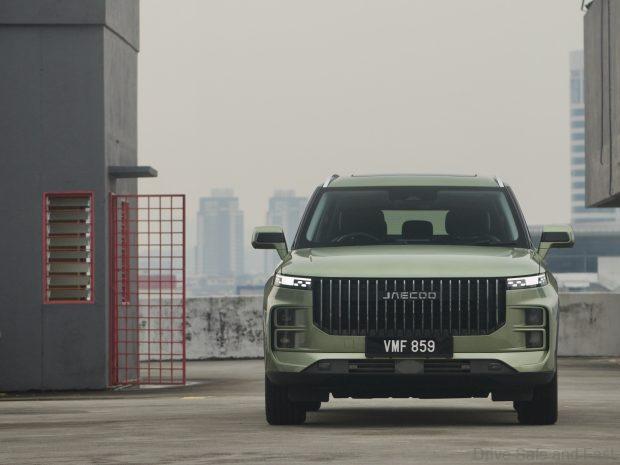
By the end of 2025, standalone Chinese brands such as Omoda | Jaecoo (17,845 units), BYD (14,407 units), and Chery (12,942 units) cracked the top 10 best-selling car brands in Malaysia. Crucially, each of these three marques individually outsold traditional luxury and mass-market mainstays including BMW, Mercedes-Benz, and even Mazda.
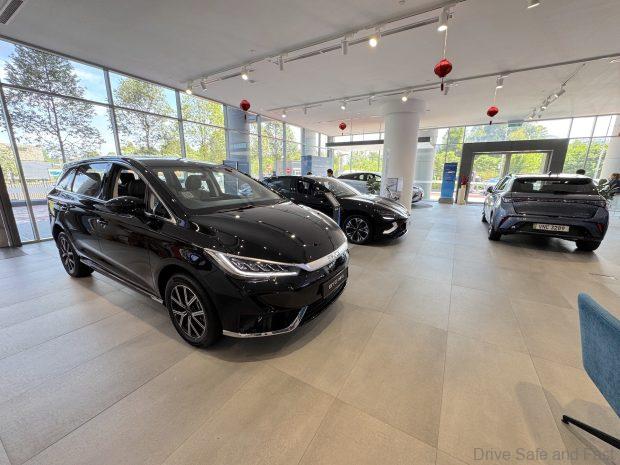
A Shift in Consumer Mindset and Luxury Perception
The pressure on established European premium makers in Malaysia is two-fold:
- The Price-to-Tech Disparity: Middle-tier Chinese electric vehicles and plug-in hybrids offer executive-level digital cockpits, advanced ADAS driver assistance suites, and air suspension setups at price points starting below RM200,000—a threshold where European luxury brands struggle to offer equivalent specifications.
- The Premium Chinese Second Wave: As high-end Chinese brands like Zeekr (Zeekr 009, 7X), Denza (Denza D9), and Xpeng expand local CKD and CBU footprints through 2026, affluent Malaysian buyers are actively cross-shopping Chinese luxury MPVs and performance SUVs against traditional German sedans and crossovers.
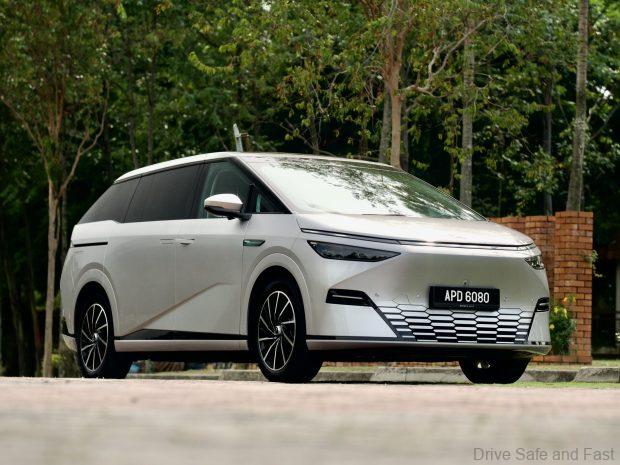
As European carmakers double down on localized joint ventures and internal restructuring at home, the rapidly evolving sales charts in Southeast Asia prove that competing against China’s electric momentum will require far more than standard brand prestige.

