

At the height of China’s electric vehicle boom, more than 500 companies rushed into the EV sector. They were driven by cheap capital injection, local state government backing and start-up enthusiasm.
Most did not survive. As subsidies were taken back and customer purchase incentives became less generous, roughly 90% of early movers were squeezed out. So the state created the early market, but the market then ruthlessly punished weak EV players. To stay afloat and relevant, Chinese auto companies had to adapt. Here are three examples that are pushing the boundaries and making a strong showing on the global EV stage.
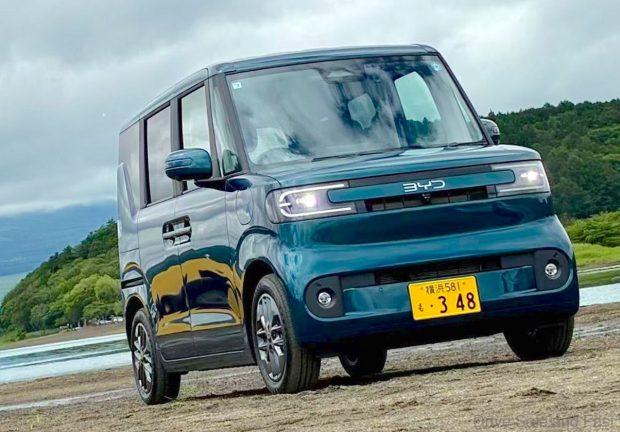
BYD started out manufacturing batteries, becoming China’s largest rechargeable battery producer by the early 2000s. But in 2003, BYD made the leap to EVs after acquiring a struggling state-owned carmaker. And in just two decades, BYD has become the vertically integrated titan of the EV world.
By controlling its EV supply chain, ranging from power electronics to vehicle platforms and shipping , the company is able to assemble one vehicle every 52 seconds. In 2025, BYD delivered a record 4.5 million cars globally.
Historically, imported vehicles have struggled to penetrate Japan’s Kei minicar segment, which accounts for roughly 35% of all new vehicle sales. However, the combination of aggressive pricing, greater battery range than the incumbent segment leader (the Nissan Sakura) and practical tech features has placed legacy domestic automakers on high alert.
To support this growing momentum, BYD aimed to secure 10,000 reservations by the end of 2026 while expanding its domestic dealership network to 100 locations. Enter the Racco which debuted in late July and managed to secure over 1,002 orders in its first two weeks, rapidly establishing itself as a formidable competitor to domestic auto giants Honda, Nissan and Suzuki in this highly competitive segment.
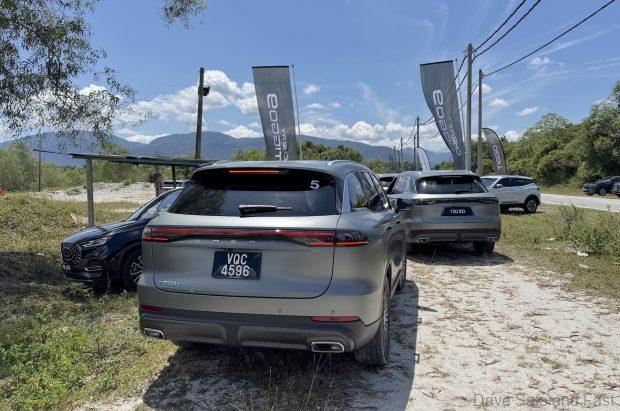
Established in January 1997 in Wuhu, Anhui Province, Chery began in a humble local shed by the Yangtze River. It rose from a small regional startup to a global powerhouse by pioneering independent engine R&D, launching early mass-market vehicles like the Fengyun sedan, and aggressively targeting international export markets well ahead of its domestic peers.
Chery became the first Chinese automaker to export passenger cars on a large scale, moving into regions like South America, the Middle East, and Russia. They also employed strategic partnerships with global giants like Jaguar Land Rover raised internal quality and manufacturing standards. Instead of just shipping cars abroad, Chery built local manufacturing plants and tailored vehicles to regional consumer preferences.
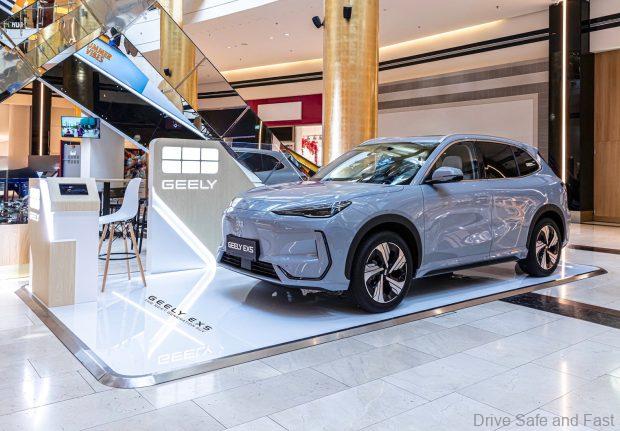
Legacy brand Geely began as a refrigerator parts maker. But in 1994, it pivoted to produce motorcycles and China’s first domestically built scooters. It entered the automotive industry in 1997. To produce a competitive EV, Geely drew on the international engineering expertise of Volvo to improve on the product of premium global EV brand Zeekr.
Beyond Malaysia and its 49.9% ownership of Proton, Geely has accelerated its direct-to-consumer footprint across the rest of Asia through an aggressive “One Geely” global strategy. The expansion is driven by a combination of hybrid (PHEV) and battery electric vehicles (BEVs).
China’s hubs of regional expertise ensure individual companies can rapidly move from design to production. One example is the Pearl River Delta, where EV brands can tap into Shenzhen’s electronics prowess and Guangzhou’s long history in car manufacturing.

