


The truth about owning an electric car in Malaysia
It all comes down to this. If you live in a landed property and can install a home wallbox, EV ownership is smooth, very economical and convenient (speak to current EV owners who live in a house). If you rely 100% on public charging or live in a high-rise apartment with strict management, it requires forward planning to keep driving an EV.
Here is a basic landscape of EV ownership, costs and infrastructure in Malaysia.
1. Charging Infrastructure: Where It Stands Today
While the government missed its aggressive headline target of 10,000 public chargers by end-2025, infrastructure growth has still been substantial. The Numbers: Malaysia has over 6,400 public charging points installed nationwide. More importantly, over 2,100 of these are DC fast chargers, which is not near the Malaysian government’s initial fast-charging goal.
Coverage is good right now across the Klang Valley, Penang, Melaka, and Johor Bahru. The North-South Expressway (NSE) is well-serviced, with DC fast chargers installed at major R&R stops roughly every 50 to 80 km but some are not working and we wonder why.
Ev Charging remains thin once you venture further into the East Coast (Kuantan, Terengganu, Kelantan) and of course East Malaysia (Sabah & Sarawak) which is too far stretched and with very few EV owners.
ChargeSini, JomCharge, Gentari Go (owned by Petronas), ChargEV, Shell Recharge, and TNB Electron dominate the EV charging business. Tesla has also opened select Supercharger sites (likePavilion KL, IOI City Mall, and Gamuda Cove) to non-Tesla CCS2 vehicles.
2. The 2026 Road Tax Shift
The era of “free road tax” for zero-emission vehicles officially ended on 31 December 2025. The latest system from JPJ now calculates EV road tax based on motor power output (in kilowatts, kW) rather than engine capacity (cc).
Mainstream Road Tax Rates Remain Very Low:
BYD Dolphin (70 kW): ~RM40 / year
BYD Atto 3 / Honda e:N1 (150 kW): ~RM160 / year
Tesla Model Y / Model 3 RWD (220 kW): ~RM305 / year
BMW iX xDrive50 (385 kW): ~RM965 / year
Even with the previous road tax exemption ending, EV road tax remains 60% to 85% cheaper on average compared to petrol vehicles of equivalent performance. We are not looking/talking about luxury EV’s with insane power delivery.
3. The Fuel vs. Electricity Economics
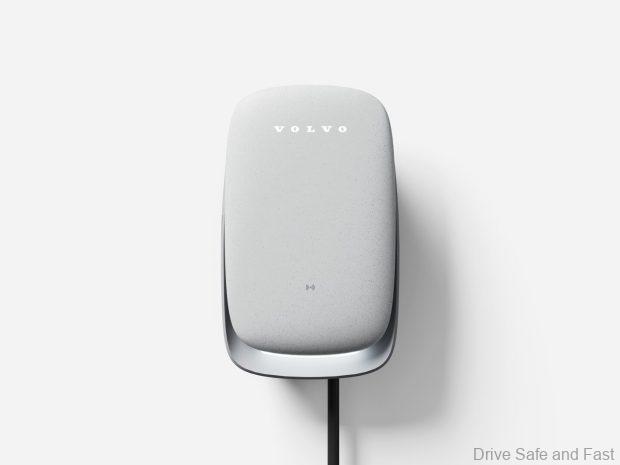
Charging costs depend entirely on where you plug in. Home Charging (this is the Cheapest): Installing (professional job) a 7 kW home wallbox costs around RM4,000 to RM6,000.
Charging overnight using TNB’s Time-of-Use (ToU) off-peak rate costs about 41.8 sen/kWh. Fully topping up a 60 kWh battery costs under RM26 for gets you about 400 km of real-world driving.
Public DC fast chargers range between RM1.00 and RM1.80 per kWh. A full 20% to 80% fast-charge at a highway stop will cost roughly RM50 to RM75 and it is still lower than subsidised petrol.
The ideal ownership routine is 80% home overnight charging + 20% public DC charging for out-of-station road trips. If you rely exclusively on public fast chargers, you lose a lot of money in the financial savings over a petrol powered vehicle.
4. Real-World EV Ownership Challenges You Should Know
High-Rise Living / Condo Issues: Many Joint Management Bodies (JMBs) in older condominiums are slow to approve private EV wallbox installations or shared charging bays due to power grid limits and fire safety concerns.
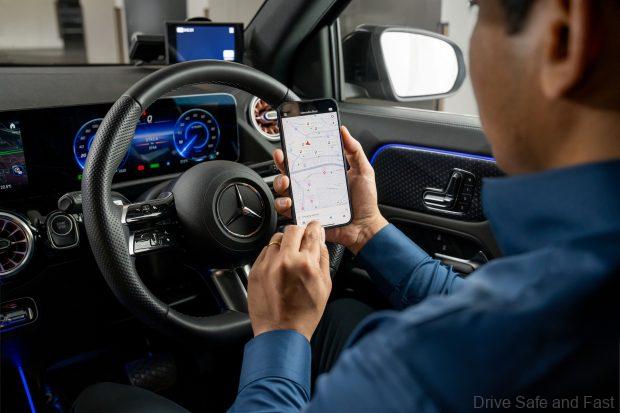
EV App Fragmentation: Drivers still need to keep 4 to 5 different smartphone apps installed (JomCharge, Gentari Go, ChargeSini, ChargEV, PlugShare) to navigate, activate, and pay across different operators.
EV Charger Downtime & Queueing: While reliability has improved, “offline” chargers or long queues at popular highway R&Rs during festive seasons (Hari Raya, Chinese New Year) remain a real and continued issue.
EV Ownership For Today Summary
In 2026, an EV is a good idea primary car for Peninsular Malaysia commuters who have HOME charging ready. However, if you frequently travel off the beaten track (East Coast / rural routes) or lack dedicated parking with battery charging access, a hybrid (HEV) or plug-in hybrid (PHEV) remains the more stress-free ownership option.

