


Did you know that Kia plans to continue expanding its internal combustion engine (ICE) and hybrid electric vehicle (HEV) lineups, reflecting the differing pace of electrification across global markets.
In a recent global presentation, the management mentioned that by 2030, the company (Kia Motors) aims to establish a diversified powertrain portfolio through the launch of nine new ICE models and expand its HEV lineup to 13 models.
Meanwhile, the company is also targeting 1.98 million annual sales of ICE models and annual sales of 1.15 million xHEV models, including HEVs, PHEVs and EREVs, by 2030.
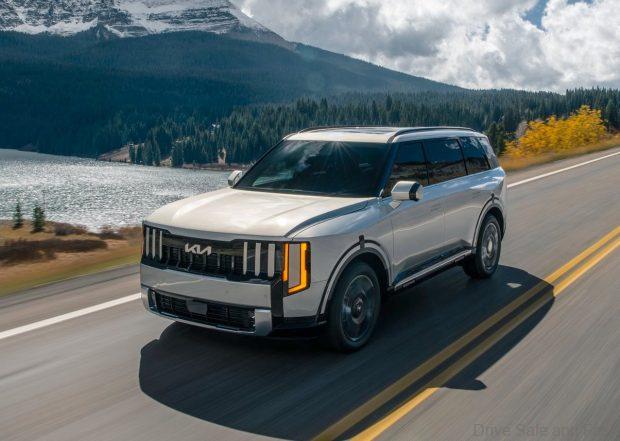
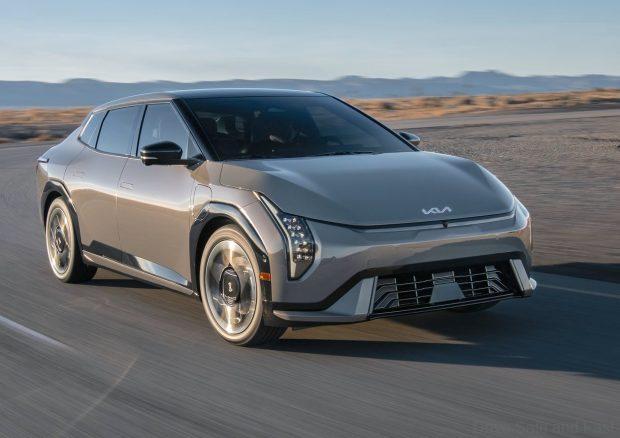
For ICE vehicles, Kia will strengthen its lineup by introducing key models, including the Telluride and Seltos SUVs launched this year. In parallel, Kia will actively respond to market demand for HEVs, starting this year with the launch of the Telluride HEV and Seltos HEV, followed by the sequential introduction of additional hybrid models, such as the K4 HEV.
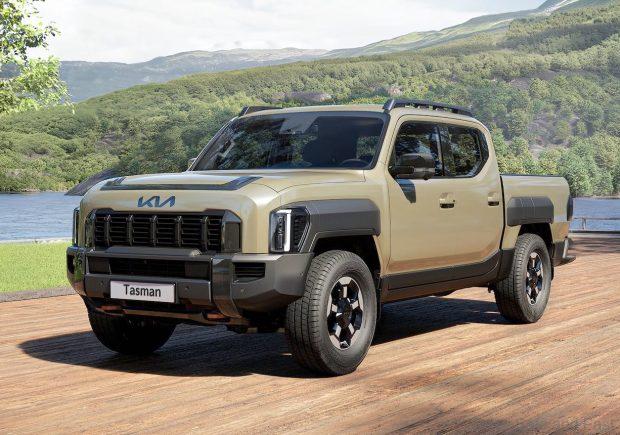
Kia will also further strengthen its pickup truck lineup by 2030, following its entry into global emerging markets with the launch of the Tasman pickup last year. Looking ahead, the company plans to further expand its pickup lineup by adding a Body-on-Frame pickup truck with HEV and EREV variants by 2030, targeting core markets in North America.
Building on its strong global reputation for award-winning hybrid vehicles, Kia has also significantly enhanced the competitiveness of its HEV offerings. The company has achieved fuel efficiency and output improvements of approximately more than 4 percent through the introduction of its next-generation hybrid system earlier this year. In addition, premium EV-level features, such as the Stay Mode and interior vehicle-to-load (V2L) functionality have been applied to hybrid models, further enhancing the company’s HEV competitiveness.
Looking ahead, Kia aims to increase its HEV sales from 690,000 units in 2026 to 1.1 million units per year by 2030, while securing an additional 400,000 units of hybrid production capacity over the mid- to long-term. To support growing demand for ICE and HEV models in emerging markets, Kia will leverage its production facilities in Korea, China, India, and Mexico as key supply hubs, further enhancing its flexible global manufacturing operations.
Here Is KIA’s EV Strategy
Kia aims to achieve annual EV sales of 1 million units and a 3.8 percent share of the global EV market by 2030, strengthening its leadership in the global adoption of EVs.
To achieve this goal, Kia is focusing on three strategic pillars:
- Enhancing EV product competitiveness
- Improving EV accessibility
- Strengthening its EV supply chain
Enhancing EV Product Competitiveness
Kia plans to expand its EV lineup from 11 models in 2026 to a total of 14 models by 2030, comprising two passenger vehicles, nine SUVs, and three PBV models.
Starting this year with the launch of the Kia EV2 and Syros EV, the company will continue to introduce high‑volume EV models, alongside new offerings such as a C‑segment SUV EV and expanded PBV lineup, to broaden customer choice across key market segments.
The company is also developing its next‑generation EV platform to significantly enhance both product performance and cost competitiveness.
Key improvements include:
- Up to a 40 percent increase in battery capacity
- A 9 percent improvement in motor output
- Introduction of fifth‑generation batteries, delivering up to 15 percent higher energy density
In addition, Kia plans to integrate advanced technologies across its EV lineup, including a new infotainment system and Level 2++ autonomous driving capabilities, further elevating overall product competitiveness.
Incidentally, in Malaysia …… Kia is focused on enhancements to the dealer network, investments in after-sales service, and new model launches as part of the new principal-led approach. Aligned with its brand vision, ‘Movement That Inspires,’ Kia intends to re-engage the market with a new brand campaign. Kia Asia Pacific President and CEO, Ki Seok Ahn, stated the company is committed to building a future that inspires new experiences and sustainable mobility, supporting the growth of Malaysia’s economy and automotive industry.

