

According to recent data, the sales reductions of German automotive brands, Benz, BMW and Audi for dealers in China are approximately 20%, 24%, and 22%, respectively.
This adjustment is a temporary measure aimed at alleviating dealers’ inventory and cash flow pressures amid declining demand for internal combustion engine (ICE) vehicles, volatile fuel prices and weak consumer sentiment as some Chinese automotive brands enter the premium segment.
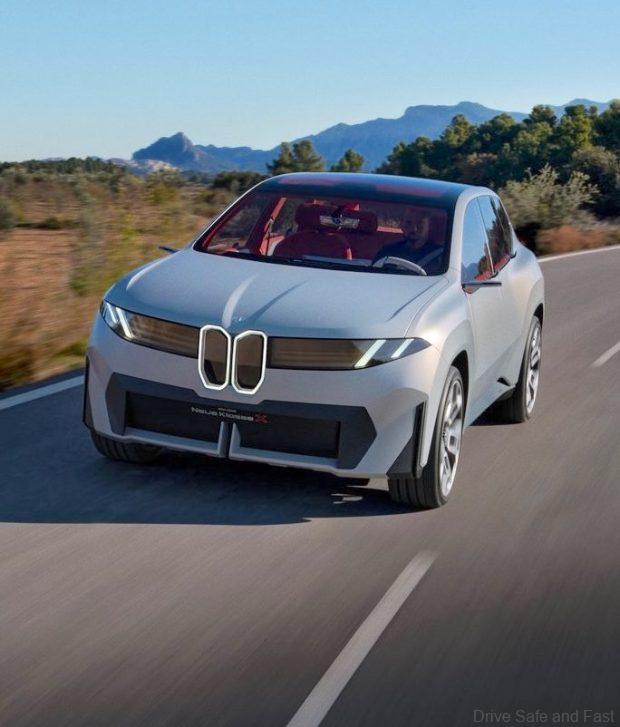
In its Q2 sales policy, BMW explicitly maintained its monthly rebate cycle and enhanced assessment flexibility, lowering wholesale targets for certain premium and new energy vehicle (NEV) models to 90% of original levels.
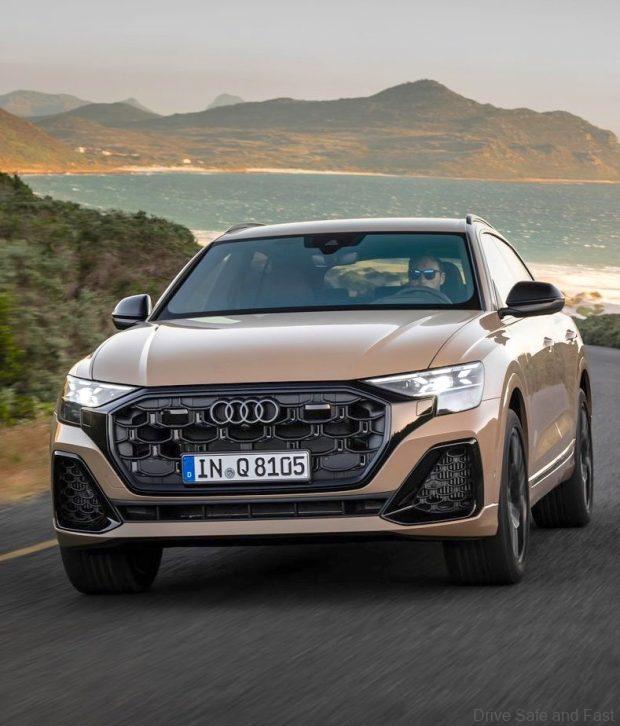
Meanwhile, some Audi dealers implemented retail targets at around 70% of original quotas by the end of April which is lower than the typical historical adjustment range of 80 to 85%.
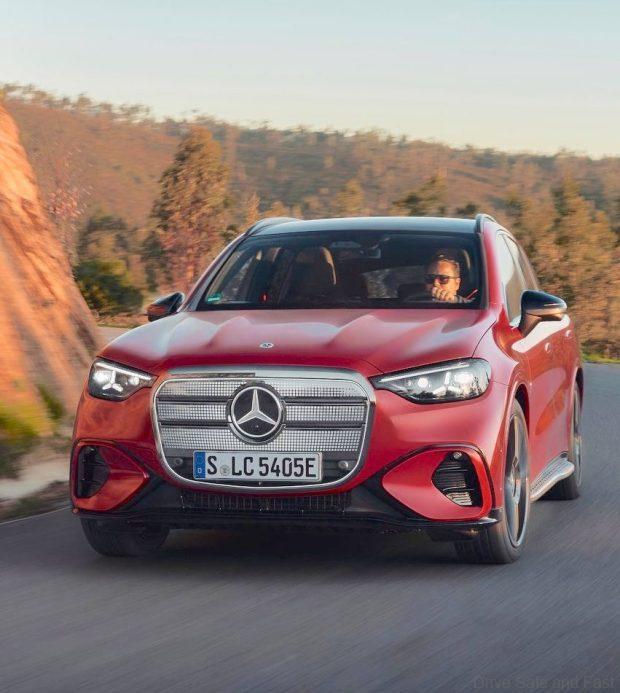
Mercedes-Benz also confirmed target reductions, though the extent varies by region and dealership.
All three luxury brands reported double-digit year-over-year declines in China during Q1 2026 starting with BMW down 10%, Mercedes-Benz down 27%, and ending with Audi down 12%.
Amid persistently weak terminal demand and widespread price inversions (where resale prices fall below invoice costs), dealers continue to incur losses on new vehicle sales.
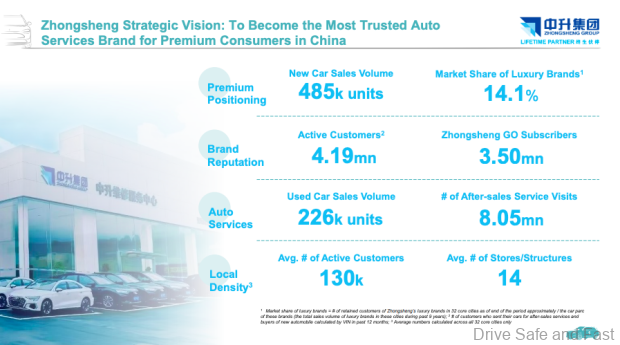
Zhongsheng Group’s 2025 financial report revealed negative per-unit gross margins for its traditional luxury brands, while finance commission income declined due to the suspension of high-interest, high-rebate financial products.
To stabilise its dealer network, BMW shifted compensation payments from quarterly to monthly starting October 2024 which is a policy set to continue through the end of 2025. However, industry observers view such subsidies as temporary and unsustainable in the long term.
Meanwhile, leading dealer groups are accelerating network restructuring. Yongda Automotive closed or transferred 31 traditional-brand outlets in 2025 while opening 19 new NEV-focused stores; Zhongsheng Group has shuttered, merged, or restructured 50 underperforming outlets since the second half of 2024.
As of Q1 2026, FAW Audi, BMW, and Mercedes-Benz operated 549, 630, and 705 dealerships in China, respectively are down 31, 33, and 28 outlets compared to Q1 2025. Automakers are now shifting their channel strategies from scale-driven expansion toward quality and efficiency improvements to support an upcoming wave of NEV launches.
New models such as BMW’s long-wheelbase iX3 (Neue Klasse), Mercedes-Benz’s all-electric GLC, and Audi’s E7X are scheduled for launch later this year.
At this critical juncture, manufacturers must balance market share retention against channel health: lowering targets eases dealer pressure but may hurt short-term sales; pushing for volume, conversely, requires greater commercial support and higher costs.
Before the transition period ends, striking the right balance among sales targets, pricing stability, and dealer cash flow remains a key challenge for premium brands in China.

