


The GWM Wey G9 Hi4 offers one of the most competitive and high-tech MPV packages on the market today.
Growing up, I don’t remember seeing quite so many multi-purpose vehicles on the road. I used to collect car magazines and only towards the mid-to-late 2000s did I start to notice the Alphard being advertised by grey importers. Before I knew it, the roads were absolutely teeming with these boxy monstrosities, taking up more than half of the ‘kampung road’ outside my house and serving as a middle-class status symbol for a post-Asian Financial Crisis Malaysia. But this isn’t an article about the Alphard. This is an article about something more important – what comes next?
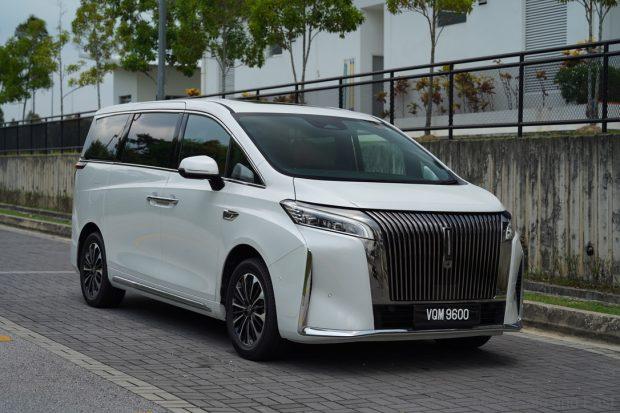
That question is important as today’s car market is all about alternatives. Alternative energy and alternative options in a market once monolithic in its tastes. Historically, none of Toyota’s rivals could offer a viable alternative – not even Nissan, who essentially started the genre with the Elgrand. Today, if you want an alternative to the Alphard, you have at least four all-electric options and two plug-in hybrid options – and they’re all from Chinese brands. Plus they’re all on powertrain options that Toyota don’t offer in Malaysia. I’ve test driven just about everything out there except the all-electric Weststar Maxus Mifa 9 and I personally think that the GWM Wey G9 Hi4 is the most convincing alternative.
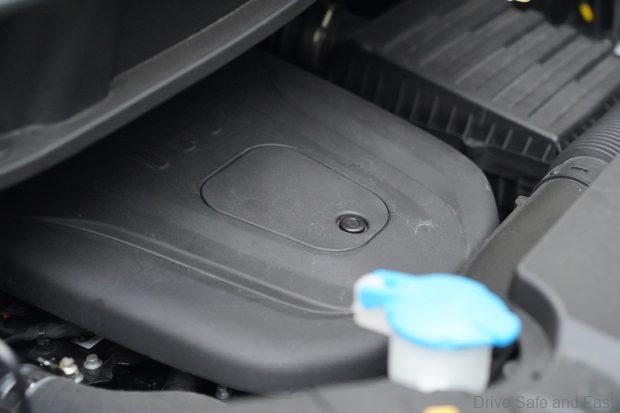
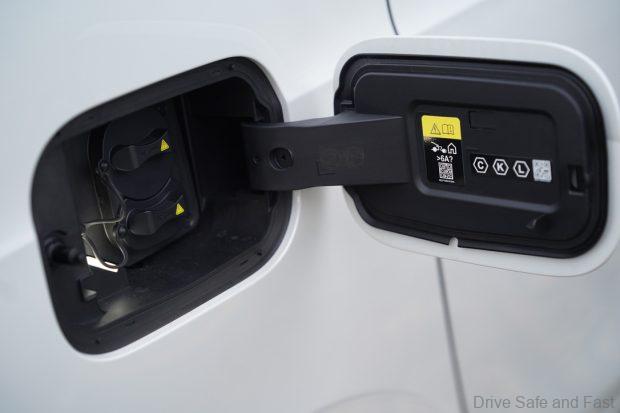
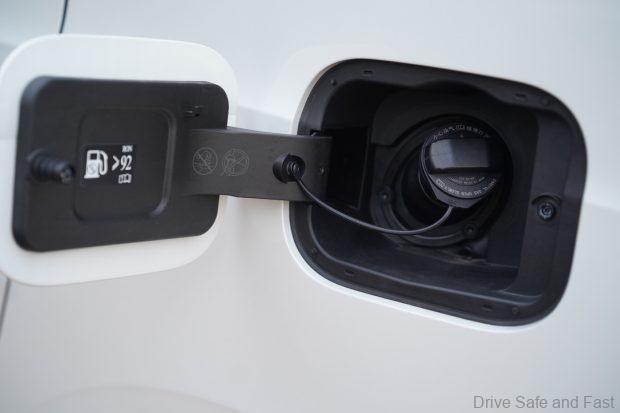
At the heart of the G9 is the revolutionary ‘Hi4’ system. This Plug-in Hybrid Electric Vehicle (PHEV) technology utilizes an intelligent four-wheel drive system and an energy-dense NMC battery. This battery chemistry sets it apart from the only other PHEV on this list, which is the GAC M8. The use of NMC chemistry in a Chinese vehicle is rather rare and perhaps even unexpected. There are benefits and downsides too. We can only speculate as to why exactly GWM went with this, but perhaps they had trouble keeping the weight under control. The Wey G9 still manages to tip the scales at over 2.8 tonnes without anyone on board. Despite this, the 44.2kWh battery manages to return 145km of pure electric range when fully charged. Realistically, if charged at home to 80% everyday, most Malaysians ought to be able to complete their daily commute without burning a drop of petrol.
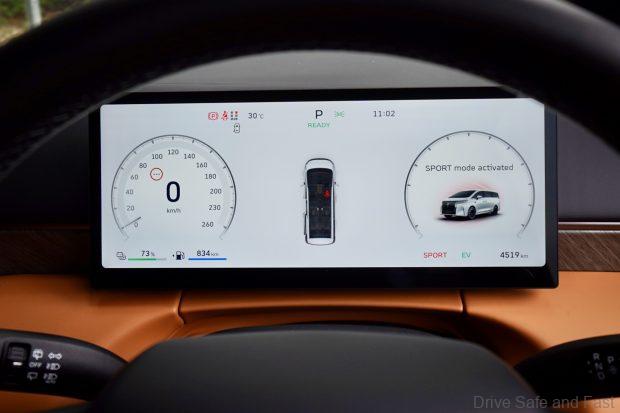
That’s an amazing benefit, and one that will feel like a major upgrade for any existing Alphard owner. The other benefit is that it runs just as well in hybrid mode, where it can deliver up to 1,000km of range on a full tank and full battery. Again, realistically, it’s probably a lot less when fully-loaded for the holidays. The key point is that you don’t have to stress out about finding a charging station, as the Hi4 system does battery energy management really well and will decide on the best mix of petrol and electric propulsion to maximize your range. DC fast charging is also available should you run out of your BUDI95 quota, and at 60kW, you’ll only need about 25 minutes to go from 10-80%.
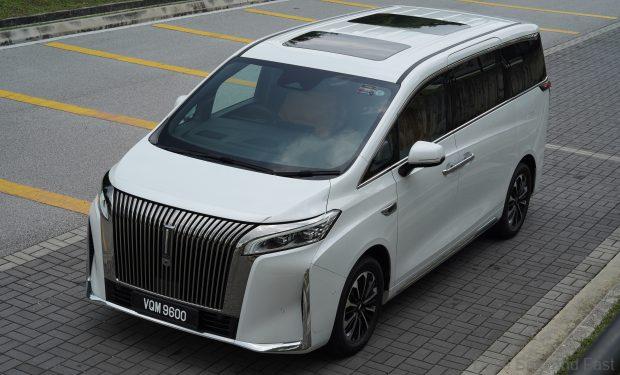
Another advantage to the powertrain is that its got a really high output. 442PS and 642Nm of torque are the kind of numbers you’d expect to see from a supercar, but it’s all here. Needless to say, the G9 can go up Genting fully loaded. If anything, there’s a little too much power at hand, but again it’s probably necessary to keep the car feeling like half its actual weight.
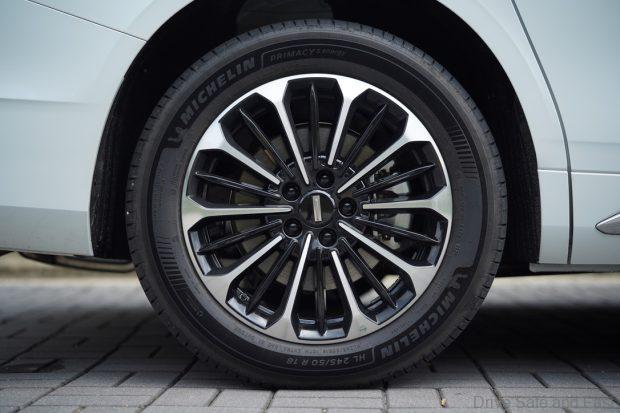
Finally there’s the suspension set-up. We’ve been driven in a fully laden Wey G9 before and we’ve also spent some time behind the wheel with 1, 2, and 4 people on board. The worst thing I can say about the way it’s set-up is that the Wey G9 doesn’t inspire any confidence in the corners and needs to be driven reasonably over speed bumps. It absorbs just about all the road surface imperfections you can throw at it, but you can tell that the suspension is working really hard to keep that weight in check. All that being said, when you bear in mind that this is a fully mechanical suspension set-up in a vehicle designed to transport family, I think the Wey G9 does the best it can with what it has. It’s super ‘light’ in the way it moves thanks to an ‘eager’ electric power steering tuning plus the responsive electric motor. Personally, I still think MPVs of this class and weight require air suspension to move with any degree of grace. The Xpeng X9 and Zeekr 009 are the only two that managed to colour us impressed. If you drive with a light foot and or in a very straight line, there are no major mistakes here.
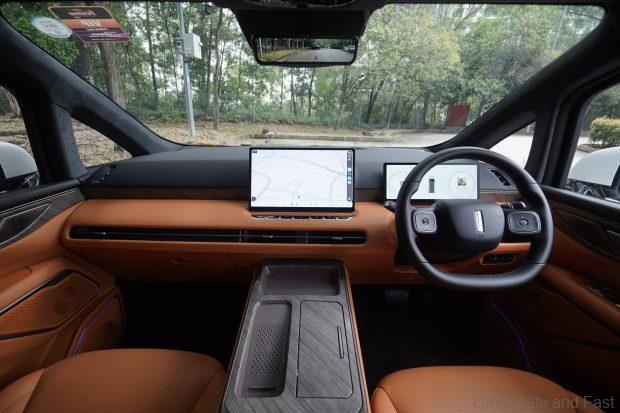
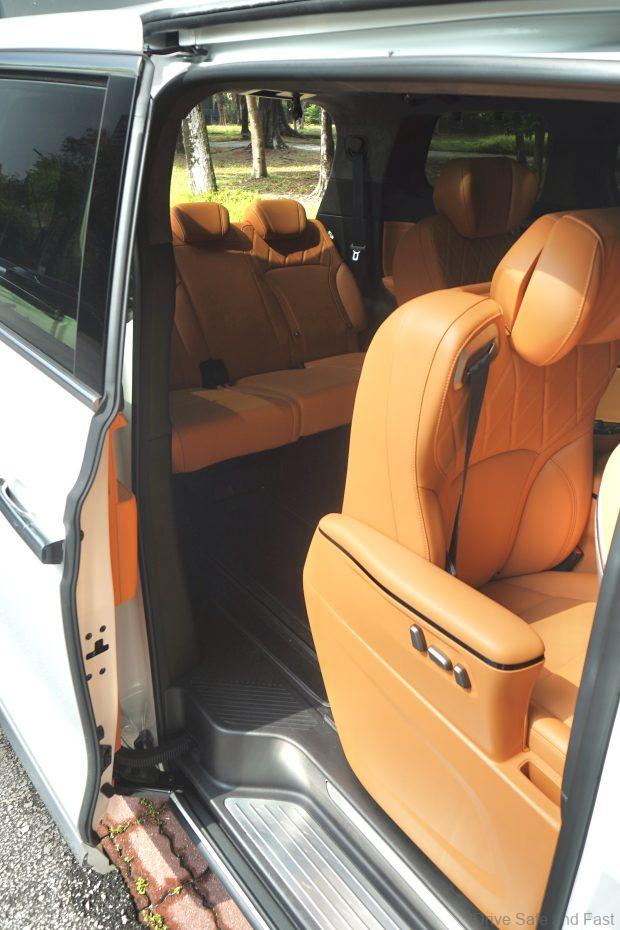
Stepping inside the Wey G9 reveals a tech-focused, minimalist dashboard that contrasts sharply with the traditional Japanese incumbents. While Toyota holds a slight ergonomic and packaging edge, GWM wins on perceived quality and material choice. The cabin features high-quality ash wood trim and multiple crisp digital displays that create a dignified, upmarket atmosphere. There are two interior colour choices and I personally prefer the black leather option. The brown option comes across as orange in natural light and hardly looks natural. Still, I suppose there’s no accounting for taste, so pick whichever tickles your fancy.
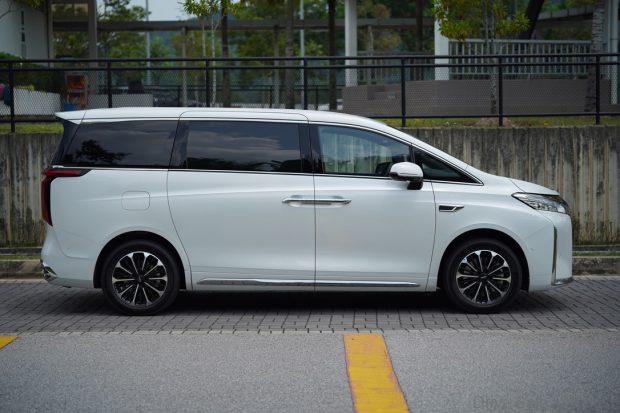
One major advantage of the G9 is that its chassis rigidity is essentially unparalleled. GWM took great pains to reinforce the pillars so that passive safety would never be in question. The unintended (or perhaps very much intended) result is that the G9 feels less like a big box and more like vault with glass windows. This doesn’t feel like an MPV that will ever develop creaks and squeaks. It’s just a solid, big chungus of a vehicle that reminds me of over-engineered Saabs of the past, at least in chassis construction. The Wey G9 also features full-length side curtain airbags that cover all three rows of seats and they retain pressure for 6 seconds. The battery itself also gets 4 to 6 layers of protection depending on which side of it you’re looking at. ADAS features are also complete here. You get Autonomous Emergency Braking (AEB) with intersection detection, Forward Collision Warning (FCW), Maneuver Emergency Braking (MEB), Lane Departure Warning (LDW), Lane Keeping Assist (LKA), Emergency Lane Keeping (ELK), Lane Centering, and “Wisdom Dodge”. Driving aids such as adaptive cruise control and traffic jam assist are included as well. Plus, there’s rear cross traffic alert and braking and a very clear 360-degree cam with transparent chassis underbody view too. There’s also a door opening warning system in case traffic approaches as a door is being opened. There’s really nothing more you could expect.
That being said, there are some complaints. The optional rear information tablet is a complete let down. In fact, I’d go as far to say that it reduces the appeal of the vehicle. I’m fairly certain it’s only there to increase ‘local content’, but it hurts the perceived value of the vehicle and should have just been omitted or done differently. For one, the housing (though visually well integrated) is the only item in the entire cabin that creaks, which is a sign that it wasn’t engineered in tandem with the rest of the vehicle. The unit’s display looks reasonably modern, but dig into the menus and you’ll find it’s running an ancient version of Android. Plus, it isn’t even wired to the car’s decent sound system. You could try to paid it via Bluetooth to the main infotainment system (it didn’t work on our unit) but we’ve heard that this interferes with Wireless Apple Carplay. The only viable solution is to tune in to an unused FM transmission and use the tablet’s built-in FM transmitter. Yes, that’s right, we’re going back to the 2000s for hacks in the EV age.
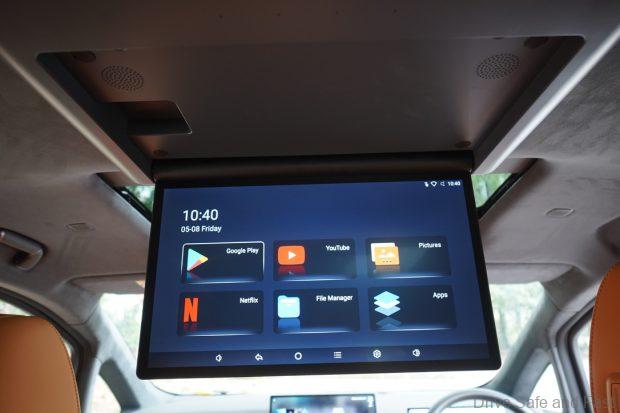
So, if your dealer pushes this as an option, say no. Buy your mom an iPad instead.
Another complaint is the minimalist approach to interior design. When you’re asking for this amount of money, I think customers begin to anticipate a sense of occasion. The Wey G9’s cabin just comes across as a little too plain to be particularly exciting. There are pieces of garnish and there’s plenty of soft-touch materials, and of course that screen is massive and vibrant.
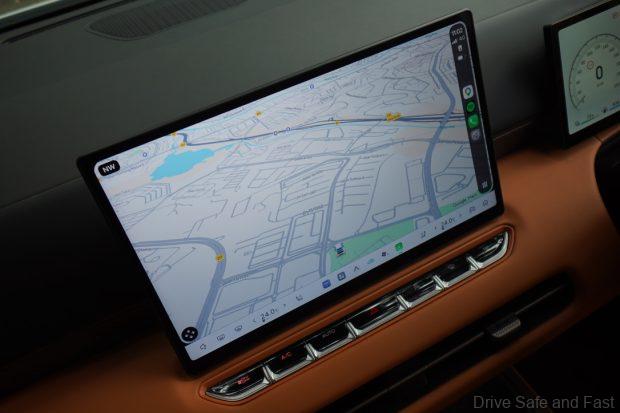
However, it’s just a little bit unadventurous and even the Denza D9 comes across as a bit more premium than this. Some of the GWM parts bin switchgear is also a little mushier than we’d like. The 12V socket in particular looks of a different era.
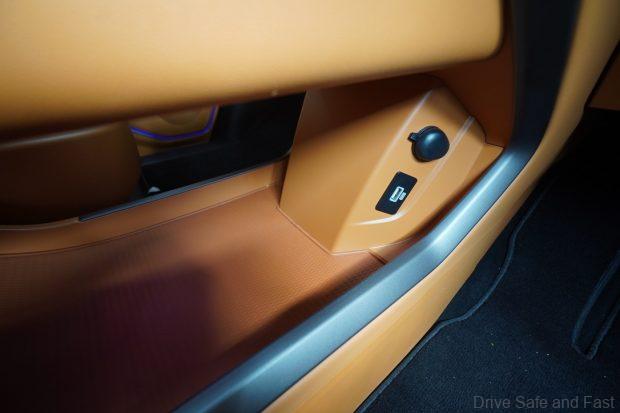
So while construction is a massive plus point, some materials, switchgear, and design flourishes are missing here. It’s functionally an excellent cabin, save that little optional add on though. It would also be nice if the front passenger had access to a massage seat, but sadly this has been omitted in our specification of the car.
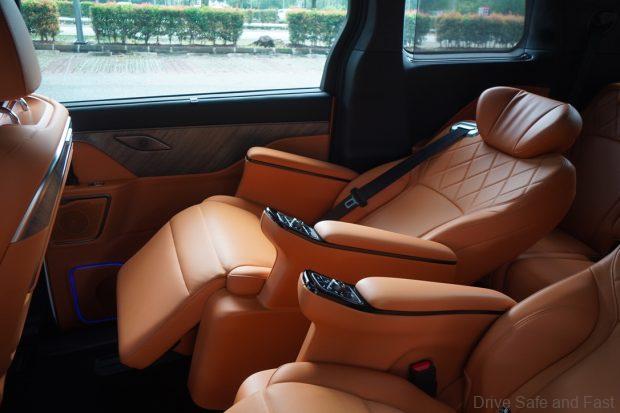
Therefore, calling shotgun might not be the best move if you’ve been invited to be a passenger in the G9. In fact, if you find yourself even in the rearmost row, it’s actually pretty decent – akin to sitting in the rear of a C-segment sedan. The middle two individual seats are ideally where you should try and find yourself in.
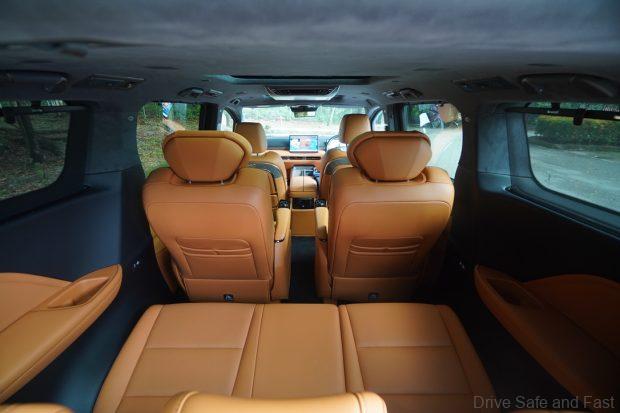
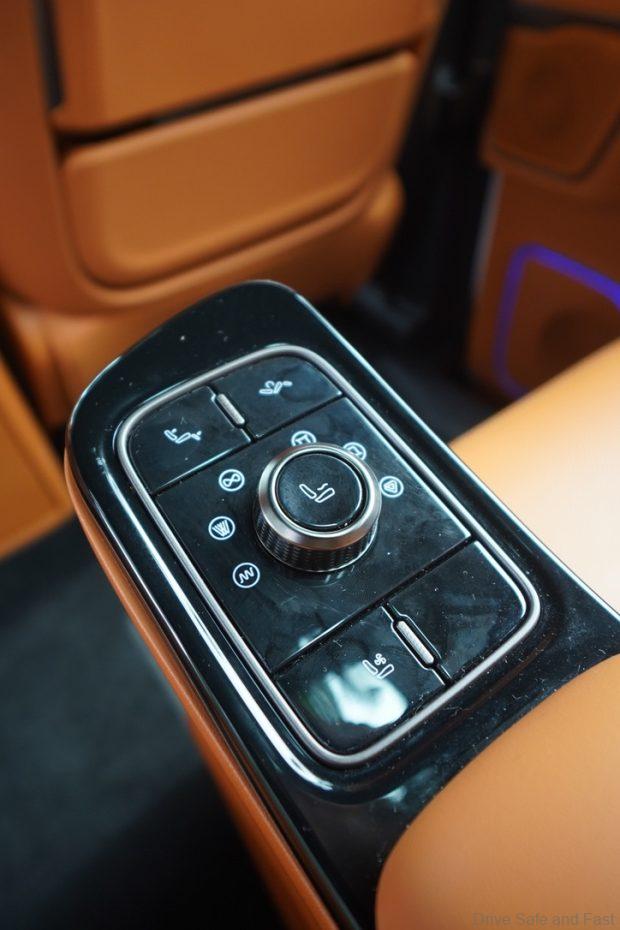
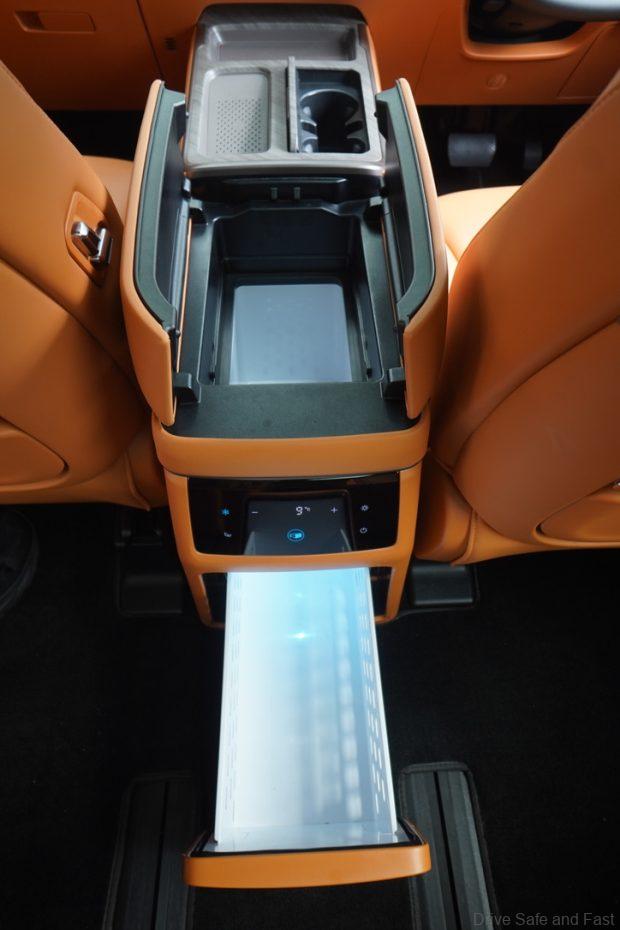
Here you’ll get a fold down table, the massage function, ventilation too, a full recline mode, rear air cond controls, pull-up sunblinds, a sunroof, USB-A and USB-C charging ports, winged headrests and even convenient access to the dual-tiered fridge/heater. The only thing missing is a set of proper cup/bottle holders. There’s only space for 2 and they flip out from one of the seats, blocking the walkthrough area. There should have been cupholders somewhere else, like on the door cards or armrests.
Overall though, the GWM Wey G9 strikes the best balance of any Chinese MPV currently available in Malaysia. It takes the fight to Toyota with advanced technology and an aggressive, locally-assembled price tag of just RM270K. It is familiar enough for conservative buyers yet futuristic enough to represent the next generation of mobility. For those seeking a blend of flexibility, luxury, and value, the G9 is the disruptive force that the Malaysian MPV segment has desperately needed. Plus, if you’ve always wanted an electric vehicle but never wanted the headache, the Wey G9 presents one of the only viable PHEV options with decent enough range for your daily commute. The GAC M8 exists too but has worse range and costs a lot more, but it has some things going for it too, such as the larger middle row of seats and persistent physical controls for fan speed. While I don’t think the G9 will completely outsell the Alphard in the reconditioned market, I’m fairly certain that GWM Malaysia is already selling more units of this than UMW Toyota sells new units of the Alphard and Vellfire. It’s just a really solid option at a reasonable price and that’s also why it got our Luxury PHEV MPV of the Year Award at VOTY 2026.
GWM Wey G9 PHEV MPV Specifications
Engine: 1.5-litre turbocharged 4-cylinder petrol engine combined with front-and-rear dual electric motors (Hi4 Intelligent AWD)
Capacity: 1,499cc
Transmission: 4-speed Dedicated Hybrid Transmission (DHT)
Max Power: 442 PS combined system output
Max Torque: 642 Nm combined system output
Acceleration 0-100km/h: 5.7 seconds
Top Speed: 190 km/h
Battery & Charging: 44.2 kWh Nickel Manganese Cobalt (NMC) battery; 30%-80% DC fast charging (60kW) in 26 minutes
Suspension: Full-aluminium suspension with a five-link rear system and Hydraulic Rebound Stop (HRS) technology
Fuel Efficiency: 1.2L/100km (NEDC rated) combined consumption; 6.2L/100km in a low state of charge
Selling Price: RM269,800, Locally Assembled (CKD)
More photos to come as the gallery gets updated.

