


Thailand has implemented a series of policies aimed at attracting investment from global automakers and expanding electric vehicle manufacturing.
Central to this strategy is the EV3.5 programme, which runs from 2024 to 2027 and offers tax reductions and direct subsidies to auto manufacturers in exchange for investments in battery electric vehicle (BEV) assembly facilities in Thailand.
The programme was introduced to encourage local production (just like with MITI) rather than just importing EVs. Under the scheme, auto manufacturers receiving incentives are required to assemble BEVs locally and current regulations require companies to produce two or three vehicles in Thailand for every vehicle imported.
The policy has attracted foreign investment, particularly from Chinese auto manufacturers, which have invested billions of baht in new assembly plants and production lines. The programme has also contributed to growth in electric passenger vehicle sales, supported by subsidised selling prices.
However, industry representatives are increasingly focused on developments following the programme’s expiry at the end of 2027.
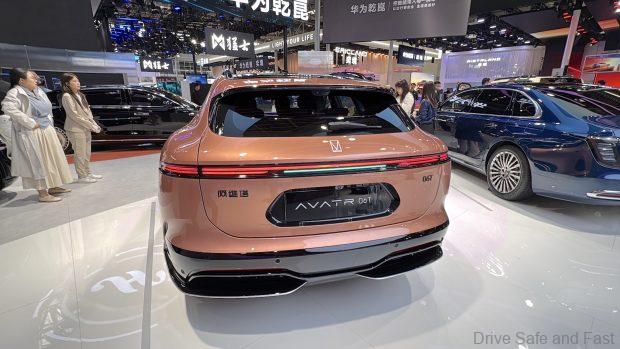
The Automotive Industry Club in Thailand has mentioned that once subsidy support and local production obligations expire, auto manufacturers could reassess the economic viability of operating factories in Thailand. Industry estimates indicate that producing an electric vehicle in Thailand currently costs approximately 30% to 40% more than manufacturing the same vehicle in China.
The Asean-China Free Trade Agreement allows Chinese-made EVs to enter Thailand with zero import duty. Industry representatives believe this could encourage automakers to reduce local production and increase imports if additional policy support is not introduced. The FTI warned that such a shift could affect Thailand’s role in regional EV manufacturing and potentially increase the country’s reliance on imported vehicles.
The Automotive Industry Club highlighted the prolonged downturn in pickup truck sales, driven by tighter bank lending policies, high household debt levels, and changing consumer preferences. Annual pickup truck sales have fallen. The decline has affected local parts manufacturers that depend on pickup truck production.
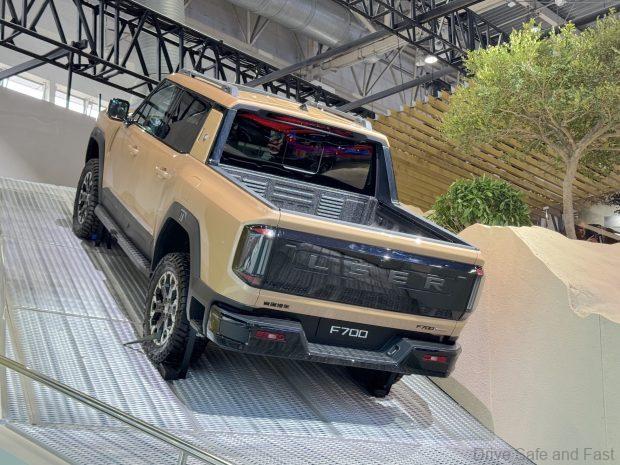
Historically, pickup trucks accounted for around 60% of Thailand’s total vehicle production, while passenger vehicles represented approximately 40%. That balance has now reversed, with passenger vehicles accounting for roughly 60% of production.
Industry representatives noted that much of the growth in passenger vehicle output has been driven by Chinese automakers operating BEV production facilities in Thailand, while internal combustion engine pickup truck production continues to be affected by the global shift towards electrification.
Industry groups have warned that an increase in imported EVs after 2027 could further reduce demand for locally produced components, placing additional pressure on parts suppliers that are already adapting to changing market conditions. Automotive associations have urged the government to introduce measures that preserve domestic vehicle production and support the broader supply chain.

