

A new study in the US shows that ADAS increases the prices of repairs but has reduced the risk of a crash in the first place.
When shopping for a new vehicle, advanced driver assistance systems (ADAS)—such as automatic emergency braking, lane departure warning, and blind-spot monitoring—are major selling points. They offer peace of mind by acting as a digital co-pilot. However, as these technologies become standard across showrooms, many car buyers are left wondering if expensive radar sensors and windshield cameras will turn minor fender-benders into financial nightmares.
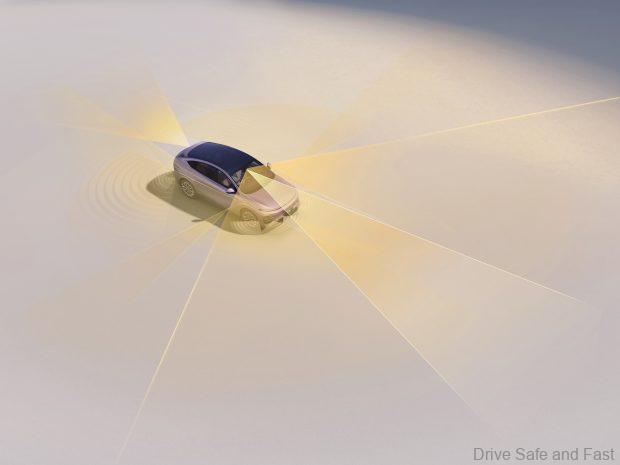
Recent research data released by the Insurance Institute for Highway Safety (IIHS) on August 12 provides a clear, quantitative answer. While vehicles packed with safety tech do cost more to fix when they crash, their ability to prevent accidents in the first place delivers net financial savings for drivers and insurers alike.
For the average car buyer, understanding this trade-off is essential for budgeting long-term vehicle ownership, insurance premiums, and out-of-pocket repair costs.
The Math Behind Safety Tech: Higher Per-Crash Bills, Fewer Total Accidents
The IIHS comparative analysis evaluated model-year 2017–2022 vehicles to determine how advanced safety equipment impacts insurance claim severity and frequency.
The data reveals a dual outcome:
- Higher Repair Severity: Vehicles equipped with crash avoidance systems incurred about 10% higher per-claim payouts under collision coverage compared to otherwise identical models without these systems.
- Lower Claim Frequency: Equipped vehicles experienced approximately 10% fewer collision claims and nearly 40% fewer property damage liability claims overall.
- Net Financial Losses Drop: When combining frequency and severity, overall collision coverage losses decreased by about 5%, while property damage liability losses dropped by nearly 30%.
The study also noted that the average property damage liability claim amount was 15% higher. This shift occurs because driver assistance systems successfully eliminate a vast majority of low-speed, minor fender-benders. Consequently, the crashes that do occur skew toward higher speeds, which naturally involve larger damage payouts and inflate the average claim size.
Beyond Safety Sensors: The Rising Baseline Cost of Auto Repairs
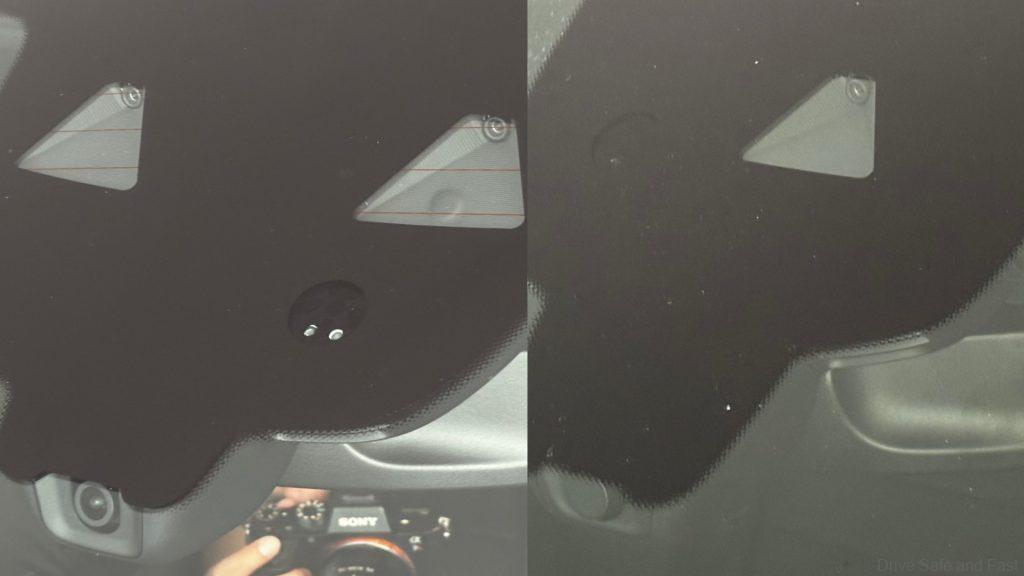
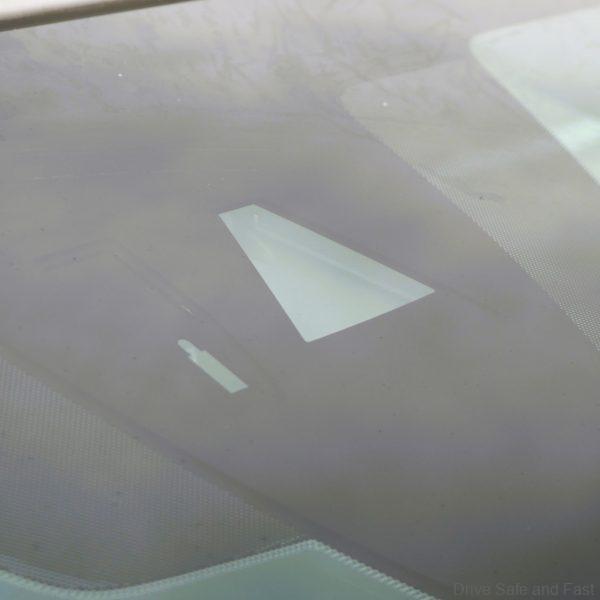
While complex sensors placed behind front bumpers, grilles, and side mirrors contribute to higher collision bills due to expensive replacement parts and digital recalibration, they are not the only reason fixing a car costs more today.
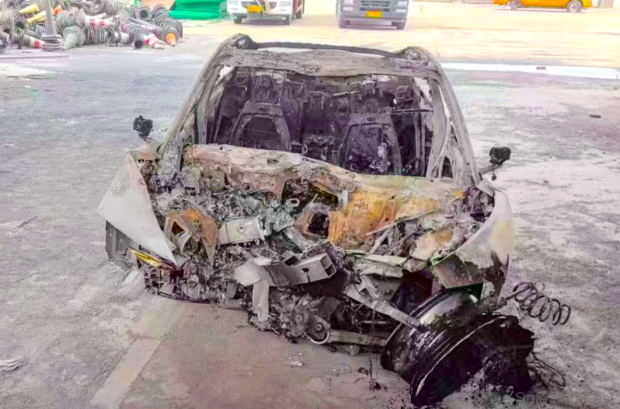
Data from the U.S. Bureau of Labor Statistics shows that overall vehicle repair costs have surged by more than 40% since 2020. Several industry-wide mechanical and market trends drive this broad inflationary spike:
- Component Complexity: Modern vehicles feature delicate LED headlight clusters, radar modules, and cameras embedded directly in high-impact zones.
- Market Shift to Larger Vehicles: SUVs and pickup trucks continue to dominate consumer demand, featuring larger body panels and heavier structural components.
- Drivetrain Sophistication: Nearly two-thirds of new vehicles sold now feature all-wheel drive (AWD), while over half are built with turbocharged engines or hybrid powertrains—all of which carry higher parts costs and labor complexity when repairs are required.

