

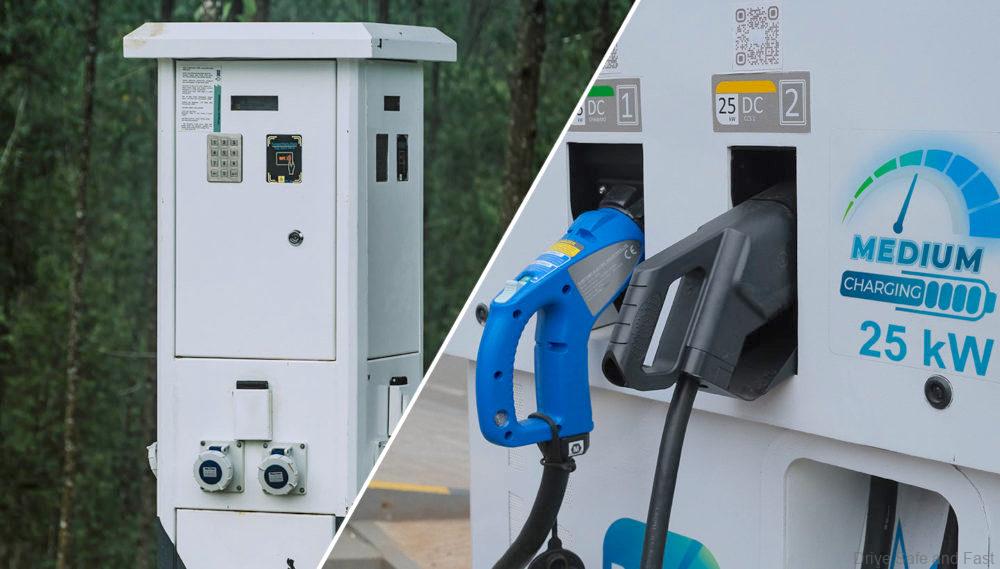
Indonesia now has a structured policy around public EV charging station rollout… do we?
Indonesia’s Ministry of Energy and Mineral Resources recently announced the accelerated deployment of public electric vehicle charging stations (SPKLU) under its structured 2025–2030 Public EV Charging Station Development Plan.
The comprehensive roadmap mandates charging technology layouts across major commercial hubs, industrial zones, highway rest areas, petrol stations, transport terminals, and ports. Coupled with streamlined business licensing for charging point operators (CPOs) and diversified private-sector partnership models, the results are already visible: public charging consumption in Indonesia reached 62.4 million kWh by mid-2026, surpassing the entire 2025 full-year total of 48.5 million kWh.
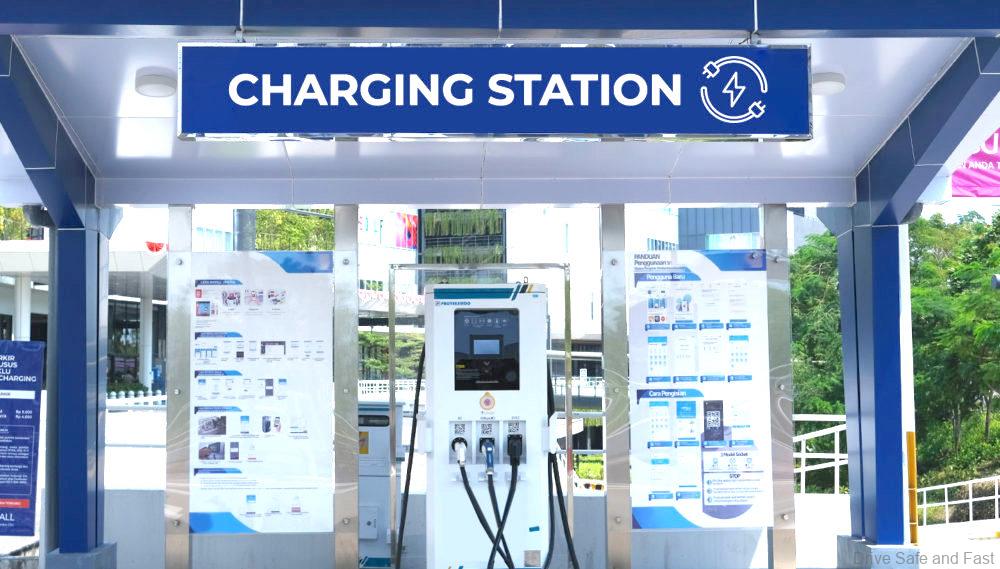
This decisive policy execution stands in stark contrast to Malaysia’s lagging infrastructure implementation, exposing critical flaws in local execution and regulatory coordination.
Target Realities: How Malaysia Missed Its 2025 Infrastructure Blueprint
While Indonesia has created a unified framework integrating state power provider PLN with private operators, Malaysia’s EV ecosystem continues to suffer from fragmented policy execution and regulatory delays.
The contrast between both nations becomes evident when comparing policy targets against actual operational results through 2025:
- Malaysia’s Target Deficit: Under the Low Carbon Mobility Blueprint (LCMB) and National Energy Transition Roadmap (NETR), Malaysia set an initial target of installing 10,000 public EV charging bays by the end of 2025. However, by mid-2026, official figures from the Ministry of Investment, Trade and Industry (MITI) confirmed only around 6,400 public chargers were operational nationwide—meaning Malaysia missed its 2025 benchmark by over 35%.
- Indonesia’s Demand Realities: By implementing standardized spatial planning for commercial properties and transit hubs, Indonesia’s public charging network expanded past 4,600 public charging points across 3,000 locations by the close of 2025, supported by nearly 10,000 two-wheeler charging hubs and over 33,000 integrated home chargers.
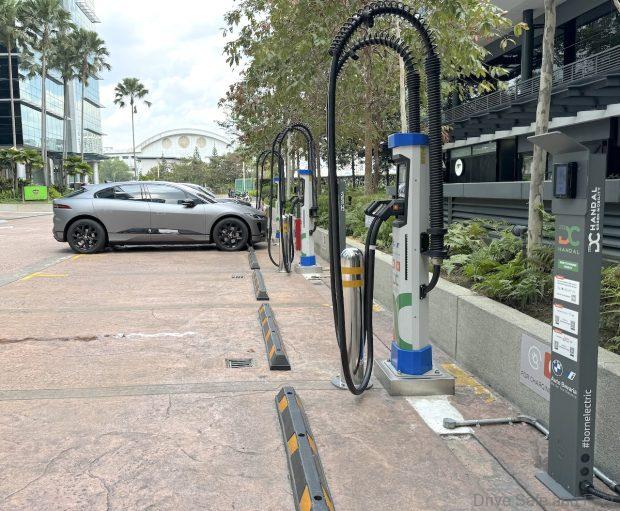
Regulatory Gridlock: Bureaucracy vs Streamlined Licensing
The root cause of Malaysia’s slow infrastructure rollout lies in approval processes and utility connection bottlenecks, areas where Indonesia enacted immediate reforms.
- Land and Municipal Approvals: In Malaysia, CPOs routinely face multi-month delays securing site approvals across individual local councils (PBTs), land office classifications, and fire safety (Bomba) certifications. While federal agencies introduced guidelines to shorten approval timelines to 14 working days, implementation remains inconsistent across different states.
- Power Grid Substation Upgrades: Installing Direct Current (DC) fast chargers in Malaysia frequently requires costly local substation transformer upgrades. The financial burden and long lead times for grid connection via local utilities have discouraged private CPOs from expanding high-powered chargers along interstate highways and rural corridors.
- The Indonesian Alternative: Indonesia streamlined CPO licensing through centralized ministerial oversight, reduced grid connection tariffs for commercial operators, and allowed private companies to enter turnkey revenue-sharing models directly with state utility PLN.
The Economic Impact: Consumer Confidence and Market Adoption
The disparity in charging infrastructure directly affects consumer sentiment and regional vehicle adoption.
Without an expansive, reliable fast-charging network along major transport arteries like the North-South Expressway (NSE) and East Coast Expressway (LPT), Malaysian car buyers continue to cite range anxiety and long charger queues as primary barriers to switching from internal combustion engine (ICE) vehicles to pure electric vehicles (BEVs).
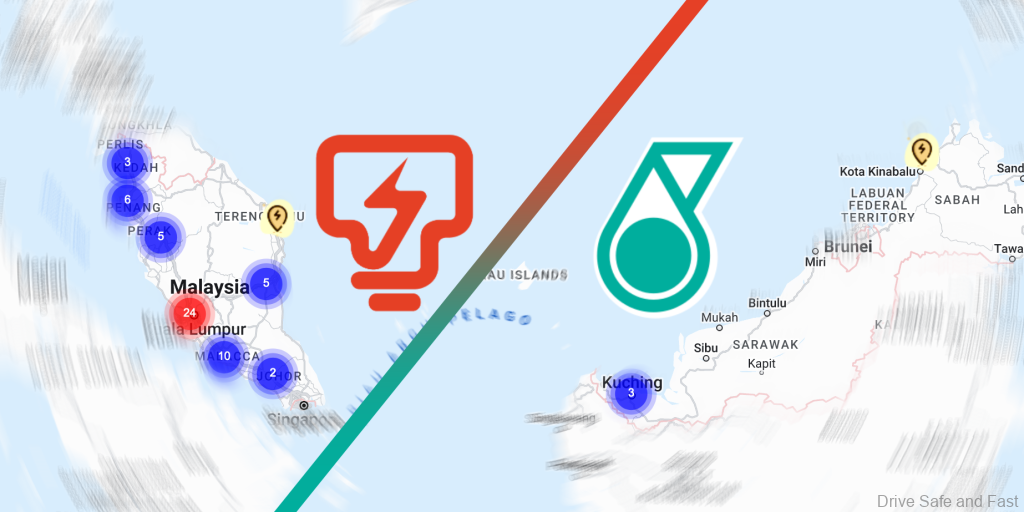
For Malaysia to maintain its standing as an automotive hub in Southeast Asia, policymakers must address structural bottlenecks. Streamlining local council approvals, offering utility subsidies for high-powered DC fast-charging sites, and enforcing mandatory charging readiness in commercial building codes will be essential to bridging the gap with regional neighbours.

