

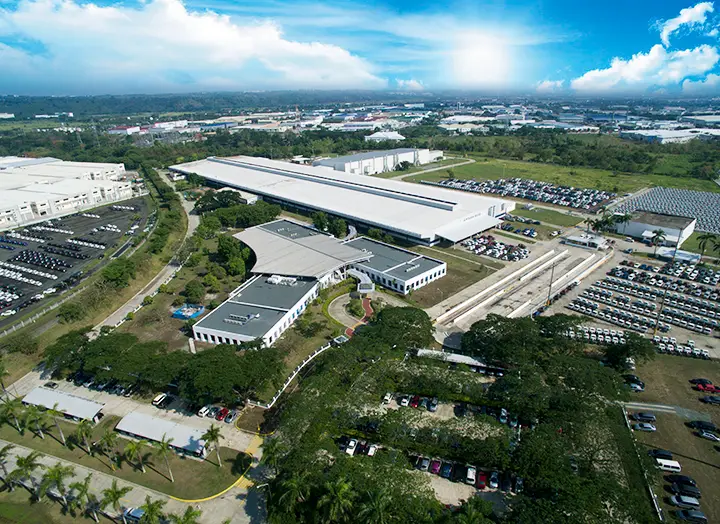
Mitsubishi Motors has decided that the Philippines makes the most sense as a production hub for hybrids in ASEAN.
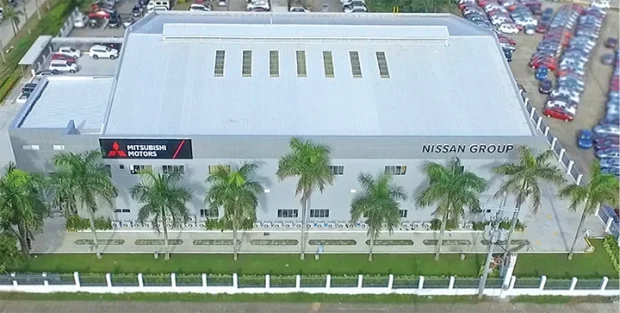
Mitsubishi Motors Philippines Corporation (MMPC) recently announced a major PHP 7-billion (US$115 million) investment to establish a hybrid electric vehicle (HEV) and plug-in hybrid electric vehicle (PHEV) manufacturing hub at its Sta. Rosa complex in Laguna. While the initiative serves as a major milestone for the Philippine automotive industry, its broader strategic significance extends across Southeast Asia to our market as well.
For Mitsubishi Motors Malaysia (MMM), the development could represent the missing piece in its long-term product strategy. Despite a surge in domestic demand for electrified mobility, MMM currently offers no hybrid or plug-in hybrid models in its local lineup, relying entirely on conventional internal combustion engines across core offerings like the Xpander, the newly introduced Xforce compact SUV, and the Triton pickup truck.
Addressing Mitsubishi’s Hybrid Void in Malaysia
Malaysia’s automotive market has seen a rapid shift toward hybrid and new energy vehicles. Competitors across mass-market and crossover segments—including Honda, Toyota, Proton, Perodua, Haval, and Chery—have actively expanded their hybrid portfolios to cater to fuel-conscious urban drivers.
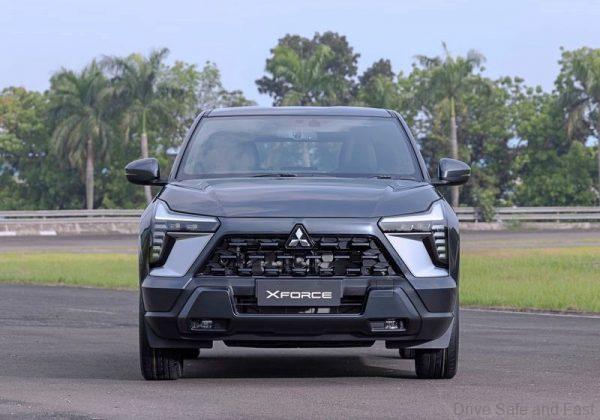
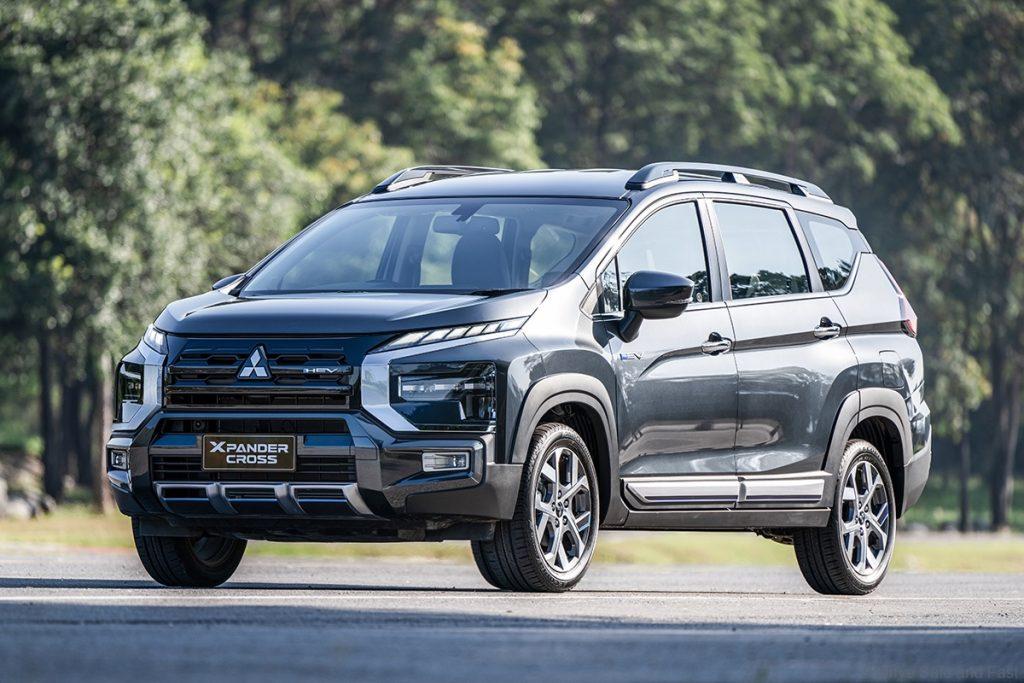
MMM’s lack of a hybrid offering has left a notable gap in its showroom lineup, particularly as regional sister markets in Thailand and Indonesia have already introduced localized electrified models like the Xpander HEV and Xforce HEV.
Currently, Malaysian vehicle imports from neighboring ASEAN countries benefit from regional duty-free trade structures under the ASEAN Free Trade Area (AFTA) and the ASEAN Trade in Goods Agreement (ATIGA), provided the vehicles meet local content threshold requirements. By converting its Laguna facility into a regional export hub for electrified vehicles, Mitsubishi creates an additional manufacturing base capable of supplying right-hand-drive (RHD) hybrid models across ASEAN.
Potential Model Pipeline and Regional Synergies
MMPC’s expansion plan includes scaling its annual factory output from 50,000 to 70,000 units, incorporating localized battery pack assembly and specialized engineering facilities. Pilot production is targeted for mid-2027, with full commercial assembly and export capabilities scheduled for 2028.
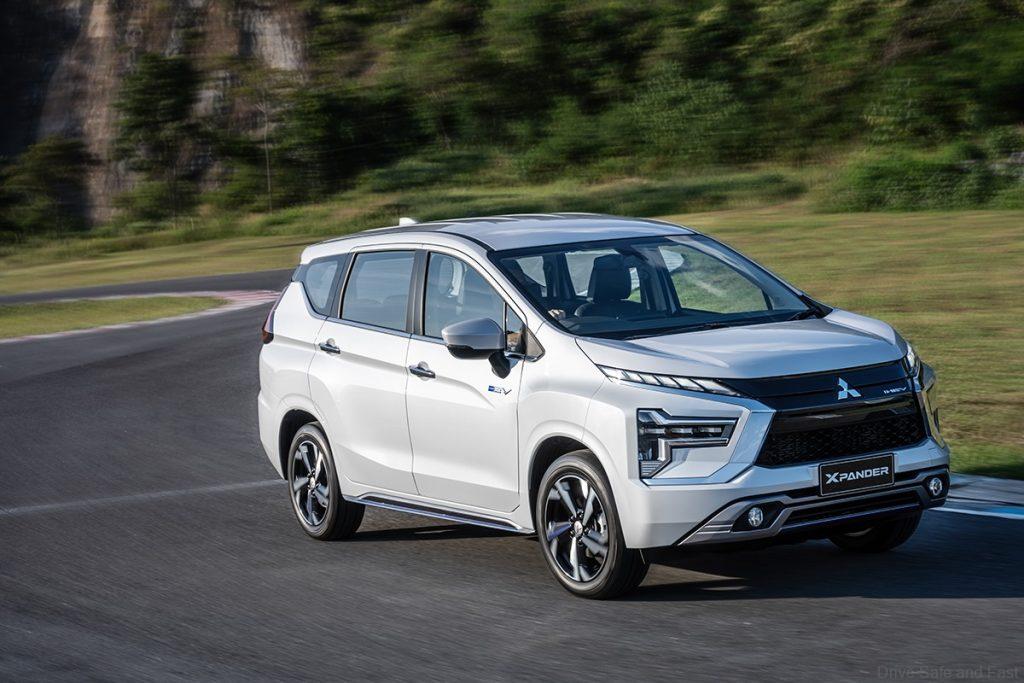
While MMPC has yet to officially confirm which specific electrified models will be produced under the Philippine government’s Electric Vehicle Incentive Strategy (EVIS), the architecture of the Laguna plant opens up several key possibilities for MMM:
- Xpander & Xpander Cross HEV: A hybrid variant of Malaysia’s best-selling non-national seven-seater MPV would allow MMM to directly challenge hybrid rivals in the family segment.
- Xforce HEV: Equipping the newly launched B-segment crossover with a 1.6-liter e:Motion hybrid powertrain would significantly boost its competitiveness against hybrid crossovers in urban centers.
- Electrified SUV & Pickup Variants: As Mitsubishi prepares its next-generation global platform architecture, local PHEV and HEV assembly in the region ensures compliance with ASEAN’s tightening fleet emission standards.
A Timely Boost for Mitsubishi’s ASEAN Electrification Roadmap
Until now, Thailand and Indonesia have functioned as the primary production bases for Mitsubishi’s regional exports. MMPC’s ambition to become an export hub for Southeast Asia, Africa, and the Middle East adds supply chain flexibility and production redundancy for the brand.
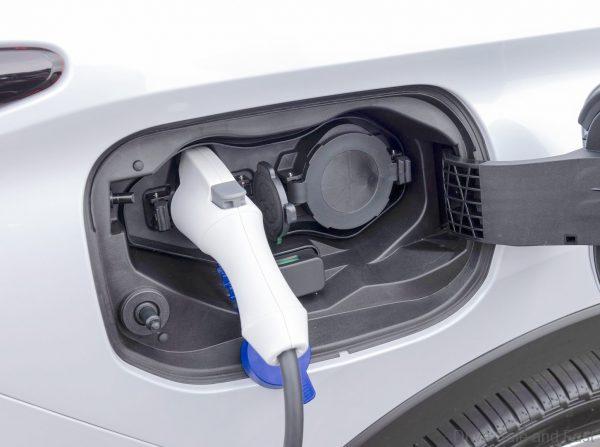
For Malaysian consumers, MMPC’s timeline means that while a hybrid Mitsubishi may not arrive in local showrooms overnight, a structured regional supply chain is actively being established. As MMPC ramps up its battery assembly and vehicle manufacturing over the next few years, Mitsubishi Motors Malaysia stands positioned as a primary beneficiary, paving the way for an electrified showroom transformation before the decade closes.

