


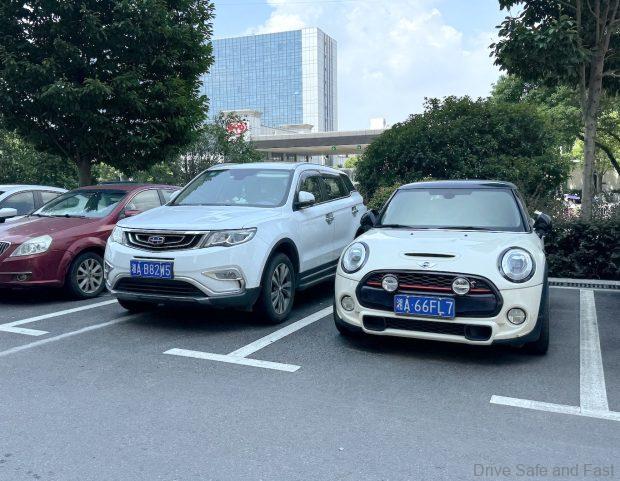
The Geely ICON (pictured here) is a compact SUV built on the B-segment Modular Architecture (BMA) and launched in China in November 2019. The ICON sits the same platform used for the Proton X50 (the rebadged Geely Binyue). Introducing the ICON compact SUV would have resulted in internal competition within the same segment, cannibalising sales for Proton’s most popular SUV.
Geely offered the X70 SUV to Malaysia as a strategic first move following its acquisition of a 49.9% stake in Proton in 2017. The decision was driven by the need to quickly rejuvenate the national carmaker and capitalize on local market trends which was directed to small, medium sized and also large SUV’s.
At the time of the partnership, Proton was struggling financially and lacked technological competitiveness. Introducing the X70, which was a rebadged and “topicalised” version of the proven already on sale for a few years Geely Boyue (was officially launched in China on March 26, 2016. It was introduced as a key SUV for the Geely brand, with initial manufacturing and sales events taking place in Ningbo, China) allowed for a rapid product launch to generate immediate revenue and restore public confidence.
Proton previously had no presence in the rapidly growing crossover SUV market. The X70 filled this critical gap, allowing Proton to compete directly with established segment leaders like the Honda CR-V and Mazda CX-5.

Malaysia serves as a strategic “bridgehead” for Geely to expand into the Southeast Asian market. By using Proton’s existing manufacturing and distribution network, Geely could effectively localise its technology.
Part of the agreement involved transferring Geely’s SUV platform to Proton, providing the national brand with advanced features like intelligent voice command (“Hi Proton“) and Advanced Driver Assistance Systems (ADAS) that were previously unavailable in its lineup.
The X70 project was designed to transform the local automotive ecosystem. It moved from fully imported (CBU) units to local assembly (CKD) at the Tanjung Malim plant, creating jobs and upgrading the capabilities of local vendors to meet global standards.

