


Can the GWM Wey G9 Hi4 take away reconditioned Alphard and Vellfire sales? Yes. It can.
For the better part of two decades, the quest for a large Multi-Purpose Vehicle (MPV) in Malaysia has invariably led buyers down a single path: the reconditioned Toyota Alphard or Vellfire. This trend, sustained by parallel importers offering vehicles that the local authorized distributor, UMW Toyota, either did not sell or did not offer competitively, showed no signs of abating. The sheer volume of grey market registrations—often in the hundreds monthly, dwarfing the double-digit sales of new, officially imported Alphard and Vellfire units—illustrated a clear gap in the mainstream market, leaving a segment hungry for viable, reasonably priced alternatives.
This environment of Japanese complacency and uncompetitive pricing has set the stage for brands like Great Wall Motor (GWM) Malaysia. GWM is not a typical newcomer; it is one of China’s oldest operating car brands and has a unique strategy of directly targeting the most conservative and hard-to-crack buying segments. Their success is tangible: last year, the GWM Haval H6 became the 2nd best-selling hybrid SUV, placing it right behind the Toyota Corolla Cross Hybrid in mid-sized crossover sales. While the H6 is necessary for mainstream growth, GWM’s most interesting work—and the clearest indication of its intent—is happening at the fringes, challenging segments UMW Toyota has long ignored.
This strategy is best exemplified by the Tank 300 and Tank 500, which are large off-road SUVs designed to go up against the Land Cruiser products from Toyota—models like the FJ Cruiser and Prado. For two decades, UMW Toyota has not offered a Land Cruiser product, leaving the door open for GWM Malaysia to bring in not one, but two, direct rivals. These Tank models effectively provided the first Asian-engineered off-road vehicle options that you can buy new in Malaysia, aside from the Jimny or a pick-up truck based model, and did so at prices that directly compete with reconditioned units in the grey market. The thinking is clear: GWM does what UMW Toyota cannot, which is offer world-class products to mainstream buyers at a reasonable price.
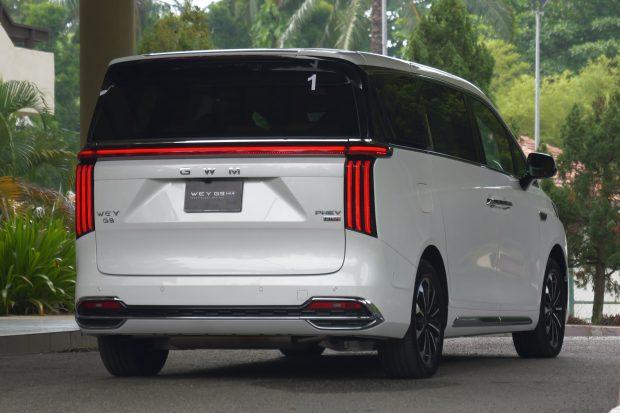
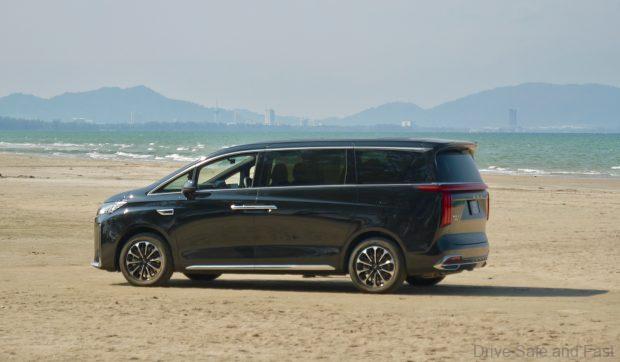
This same ambitious thinking is the bedrock of the vehicle we are here to discuss: the GWM Wey G9 Hi4. The launch of this large MPV is timely, coinciding with global conflicts that highlight the dependence of Malaysians on cheap, subsidized fuel and an urgent need for more efficient mobility solutions.
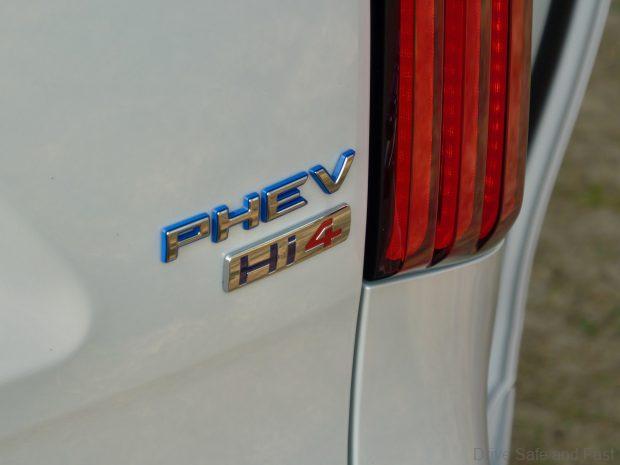
The product itself is a significant departure from the used Japanese incumbents. While GWM is a conservative-minded car company focused on getting the basics right and competing with Japanese peers, they are not shying away from electrification. The ‘Hi4’ in the name denotes that this MPV is a Plug-in Hybrid Electric Vehicle (PHEV) equipped with an intelligent four-wheel drive system. This positions the Wey G9 as a high-tech and ambitious offering compared to the typical Alphard or Vellfire.
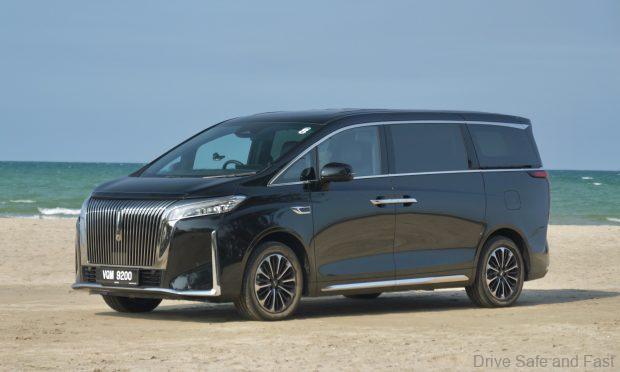
What makes it truly revolutionary in the segment is the commitment to local assembly, which allows the G9 to enter the market with a very attractive price tag of just RM270K. It’s a vehicle that aims to offer more technology and more ambition for a price point that directly challenges the decades-long dominance of parallel imports.
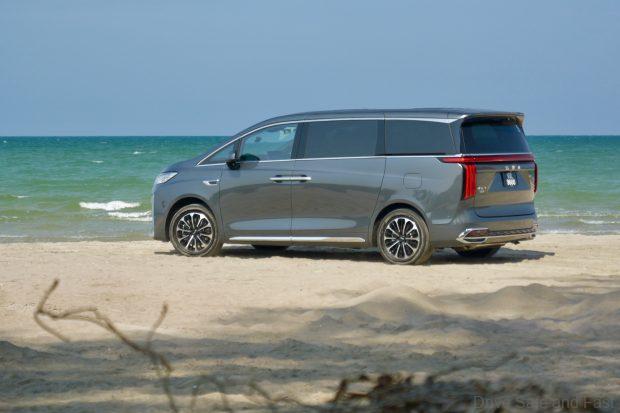
The system behind the Hi4 may sound complicated, but it is ultimately engineered for maximum flexibility and is built around different driver habits. If you have the facility to charge up at home or work frequently, you could drive down running costs by running the G9 as an electric vehicle.
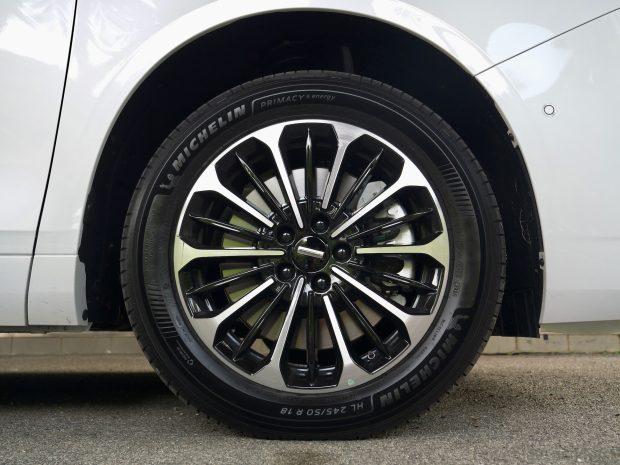
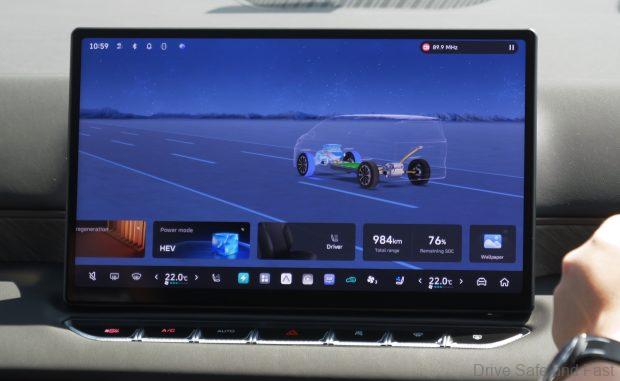
This PHEV uses NMC chemistry for its battery, which is more energy dense and gives you an estimated 145km of pure electric propulsion. It’s certainly enough for daily use, and the nature of NMC batteries makes it conducive to frequent slow-charge ‘top-ups’ up to 80%. If you don’t have access to a home charger, you could run this like any other hybrid – let the petrol motor share the load with its electric motors and allow the battery to keep itself at a healthy level with regenerative braking.
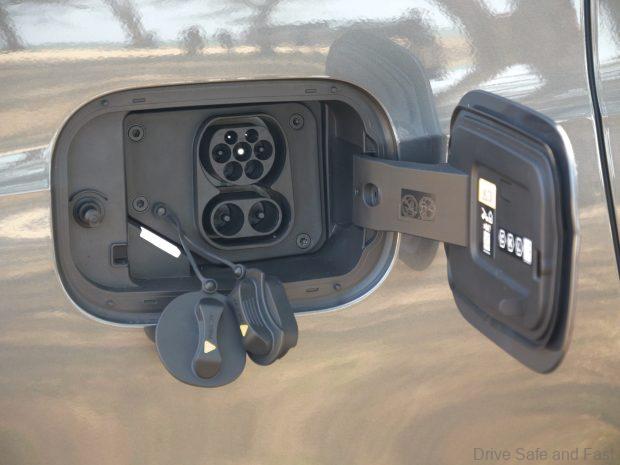
While the Wey G9 supports 60kW DC Fast Charging, it’ll only make sense for those ultra high mileage users who use up their Budi 95 quota and have to decide between expensive petrol and expensive electricity. Ultimately, I suspect most will pick the time savings of a quick refuel when on the highway.
The GWM Wey G9’s performance profile is heavily influenced by its mechanical setup and weight. It is best driven at a steady pace at or slightly below the legal speed limit. This is because it does not have air suspension and weighs 2803kg.
Hats off to GWM for pulling off some decent levels of comfort with a mechanical set-up, but the weaknesses of the vehicle’s handling show themselves the moment you find a curve in the road. The vehicle’s chassis rigidity is to be commended too. The pillars have been strengthened for safety, and the by-product is a distinct lack of flexing, which eliminates the typical plastic-on-plastic creaks you hear in the cabins of many MPVs.
Which brings us to the most important aspect of a people mover of this sort: the interior. How does it feel, what are the ergonomics like, and does it feel like a step backward versus the latest version of the Alphard or Vellfire? To be honest, it trades blows with Toyota.
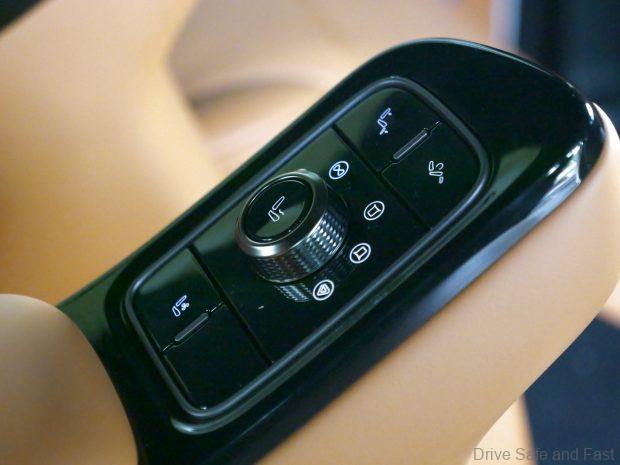
I would argue that the perceived quality of the Wey G9 is higher, with doors that shut more satisfactorily, switchgear that’s a touch more tactile, more advanced features and technology and a slight edge in terms of materials.
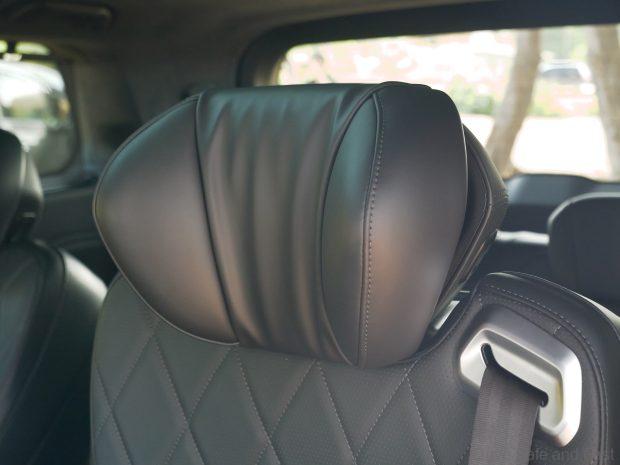
However, I would argue that Toyota had an ergonomic and packaging edge over the G9.
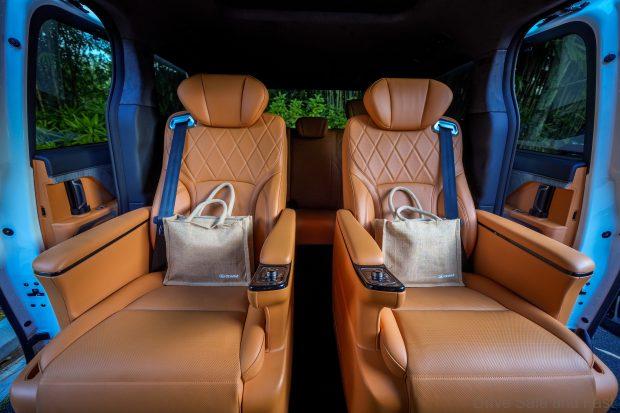
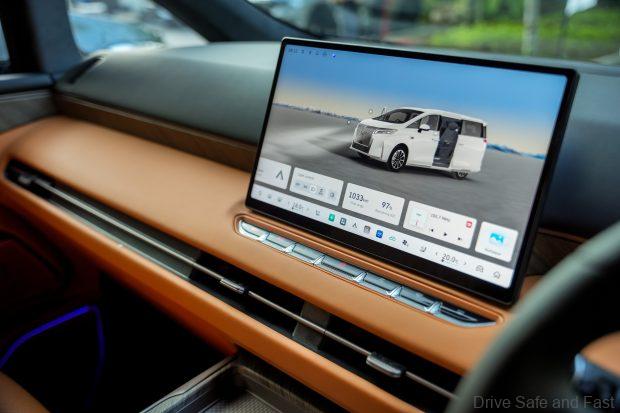
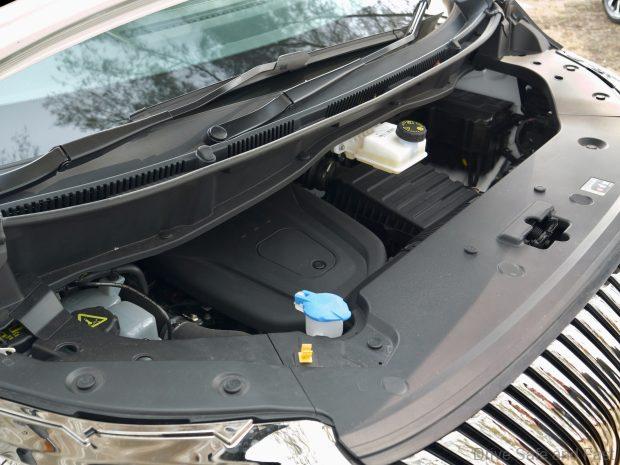
GWM has done a good job with packaging a very usable interior despite all the hybrid components.
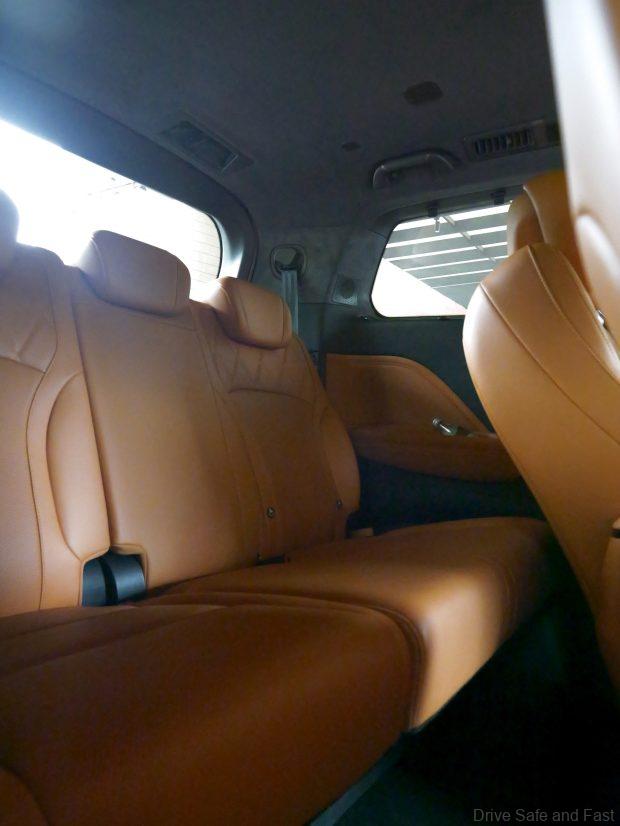
Rear seats are comfortable for adult use for long-distance even with luggage. The rearmost seats can be slid and tilted with configurations for expanded boot space too.
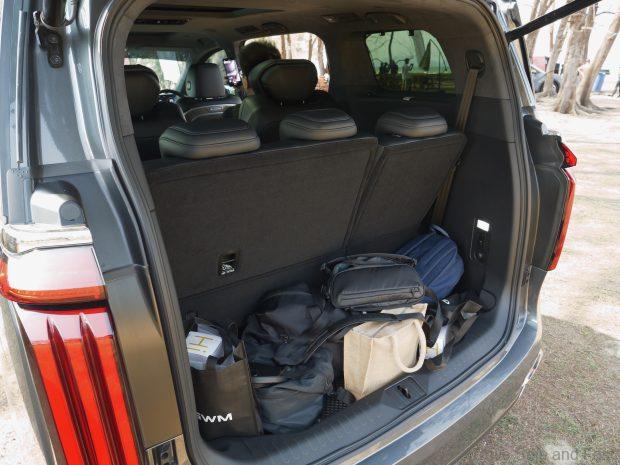
However, in the Alphard, seats felt more naturally positioned. Getting in and out of the vehicle (particularly for the driver) was a lot easier, and the sense of roominess was a little better in the Alphard. Toyota is simply more experienced at designing MPVs.
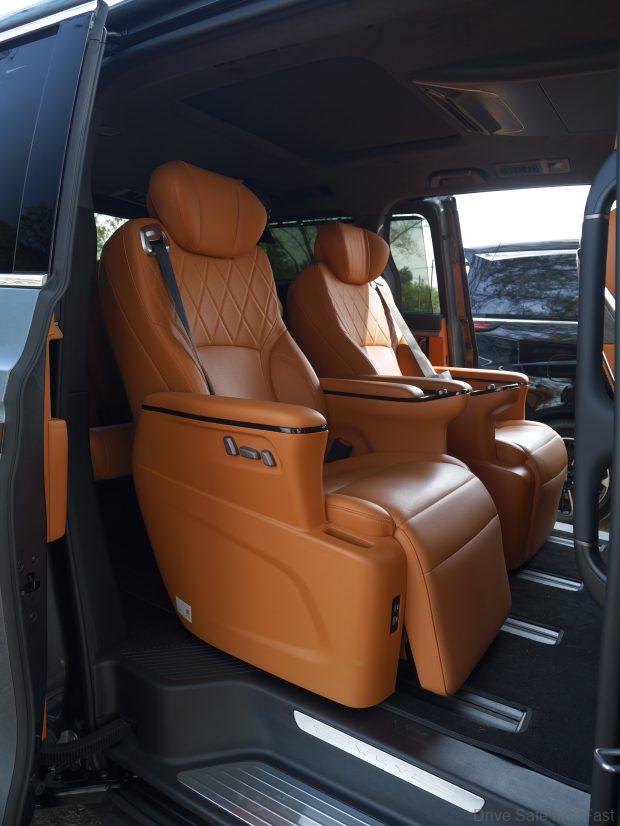
Not having a massive battery in the floor probably also helps significantly. The Wey G9 is better on first impression, but the Toyota’s lower floor really helps.
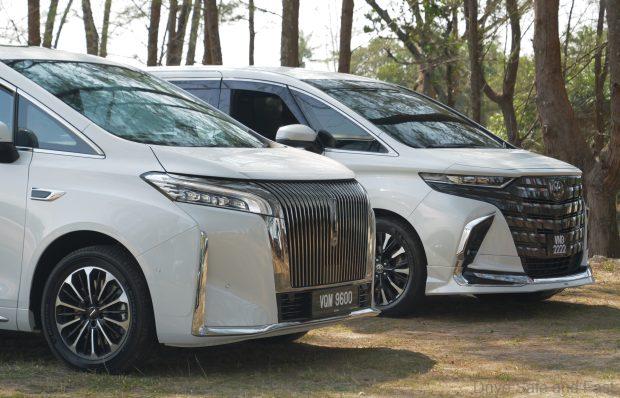
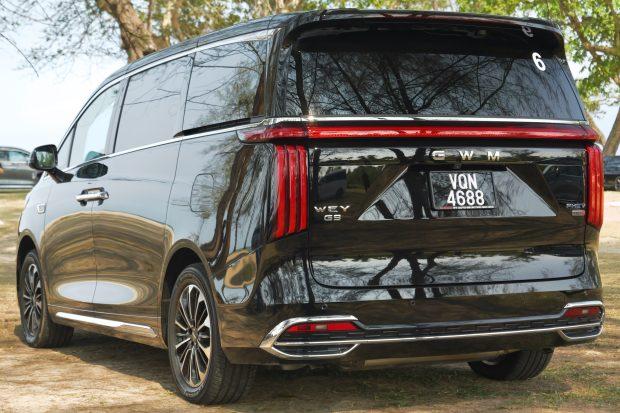
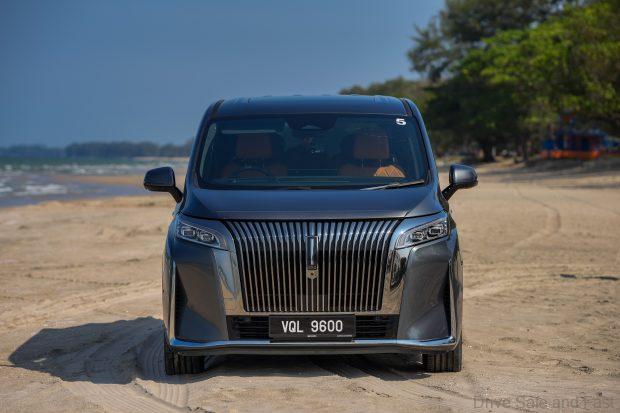
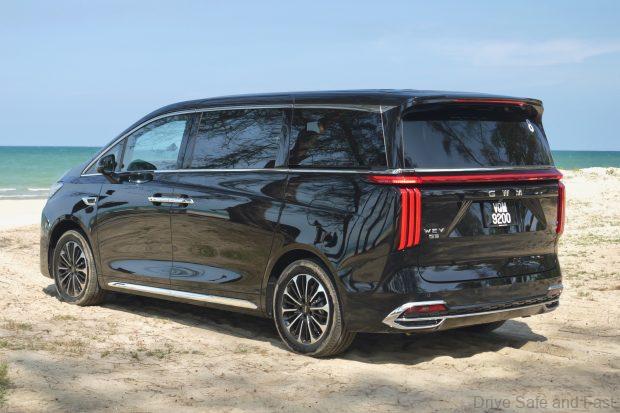
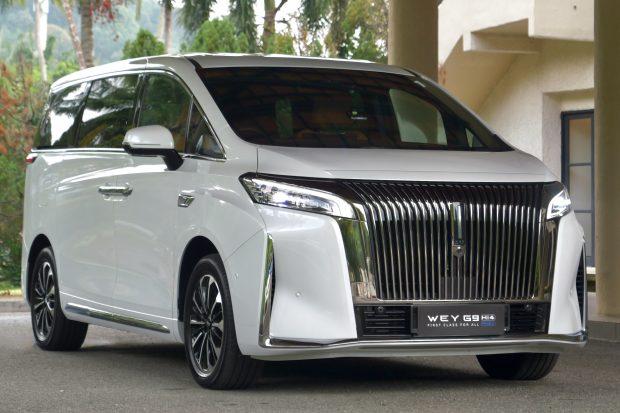
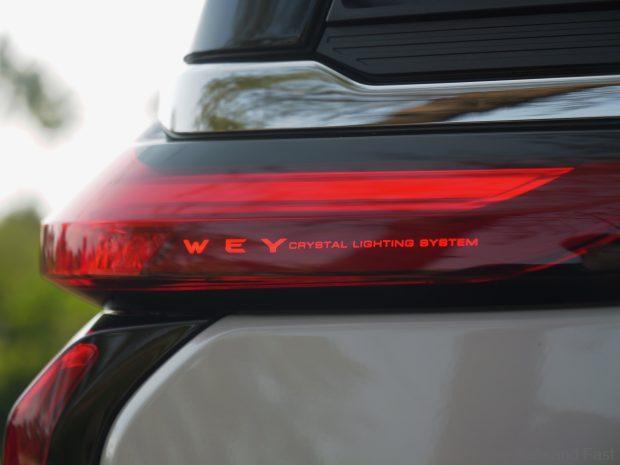
I would say that the GWM Wey G9 is a fairly good looking vehicle. The exterior communicates a luxurious and dignified comfort cruiser and that is exactly what the vehicle is. It lacks some of the avantgarde touches of the Zeekr 009 and Xpeng X9 electric MPVs, but also dials back the ostentatious touches found on the GAC M8.
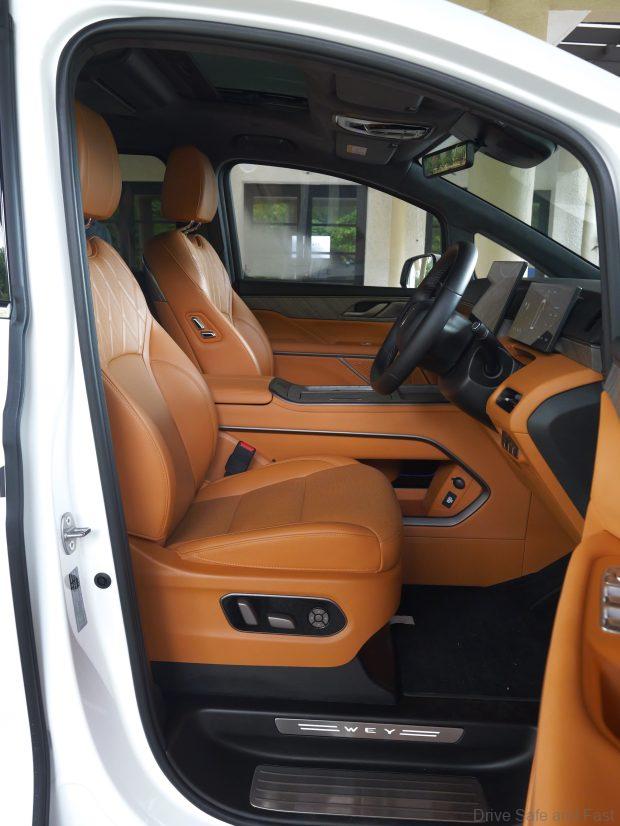
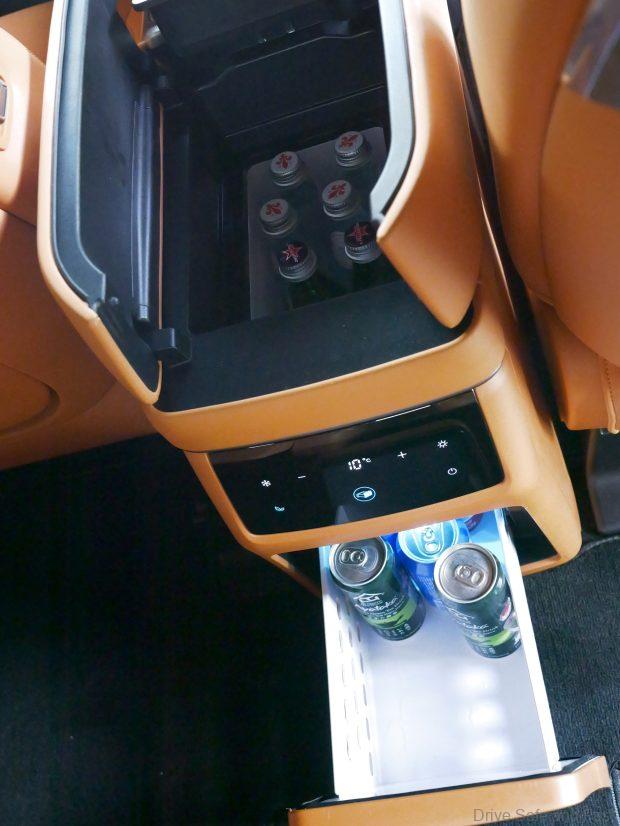
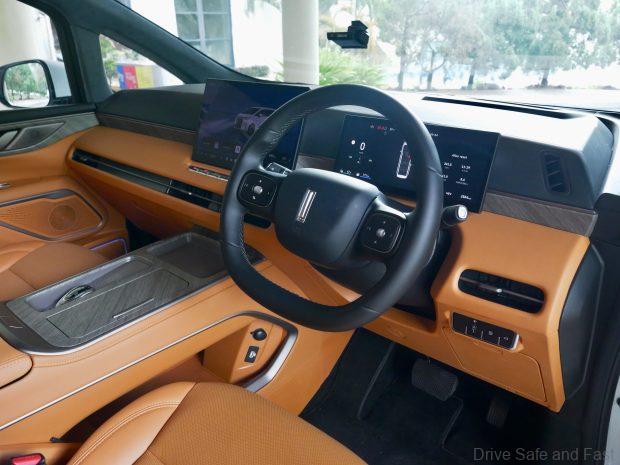
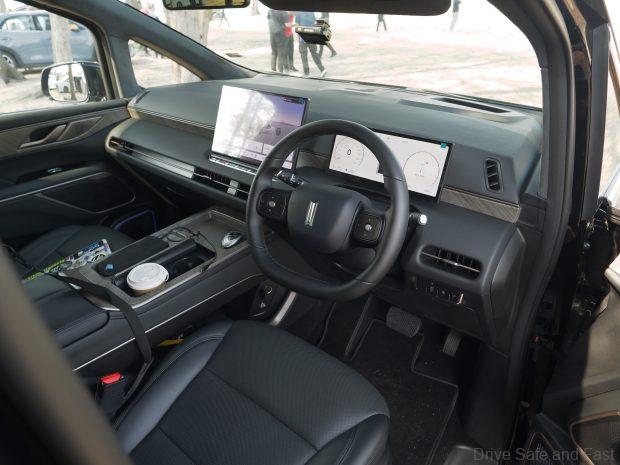
Inside, the design is equally clean and well-appointed with more of a tech focus creeping in with a minimalist dashboard and multiple large and crisp digital displays. The built in fridge/food heater is pretty massive and is large enough for TWO layers of canned drinks.
There are two interior colour options with a vibrant orange sure to draw attention at showrooms, but the black cabin looks more cohesive with the ash wood trim and I suspect will age better too.
The main aspect that could use some work is the 3rd party entertainment system mounted to the ceiling.
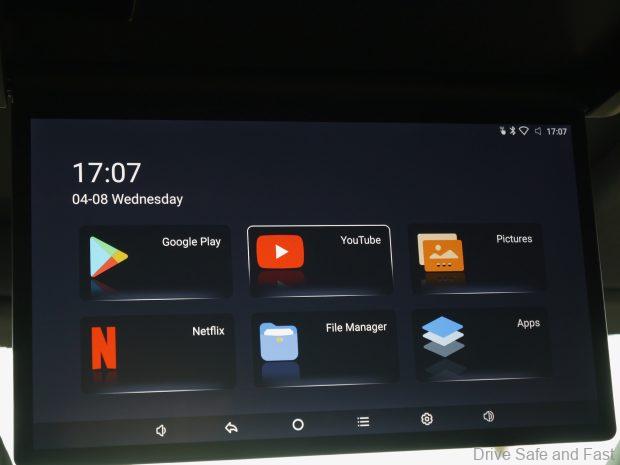
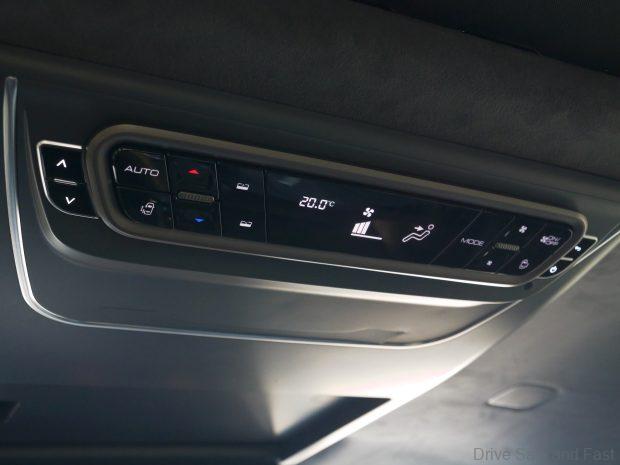
Our unit vibrated as if not fastened properly and the audio wasn’t wired to the vehicle’s sound system.
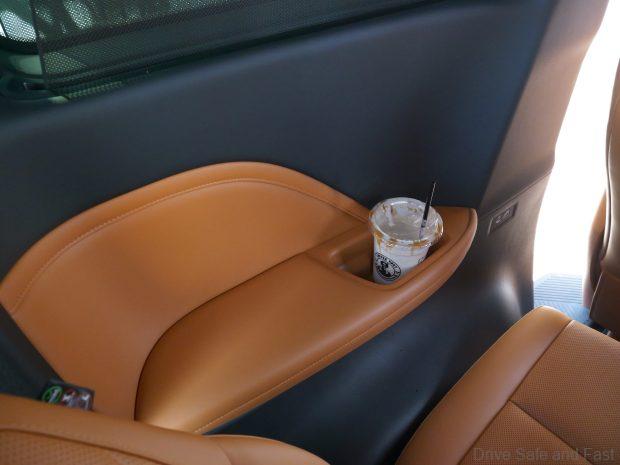
Another complaint is the cupholder situation for middle row passengers, there seems to be just one flip-up holder between the seats, which hinders access to the 3rd row when deployed. I also am not a huge fan of the lack of physical dials for volume and fan speed control – something that its rival, the M8 has sorted with persistent capacitive sliders.
Personally, of all the Chinese MPVs available in Malaysia, I would argue that the Wey G9 strikes the best balance. In terms of looks, it’s familiar enough for conservative Toyota owners, yet takes a few steps in a more futuristic and upmarket direction.
It excels in perceived quality and is representative of what Chinese carmakers can do these days with cabins. It’s not quite as bold and authoritative as the pure electric Zeekr 009, but it’s also much more flexible and more affordable too.
What GWM has done here is to just take Toyota on with technology and pricing that shows the real advantage that the Chinese automotive industry has over the Japanese automotive industry. It’s the same strategy they’ve been pulling off with their Haval and Tank products, and early signs show that it’s paying dividends.
Stay tuned for a review of this vehicle as we’re getting a loaner later this month.

