

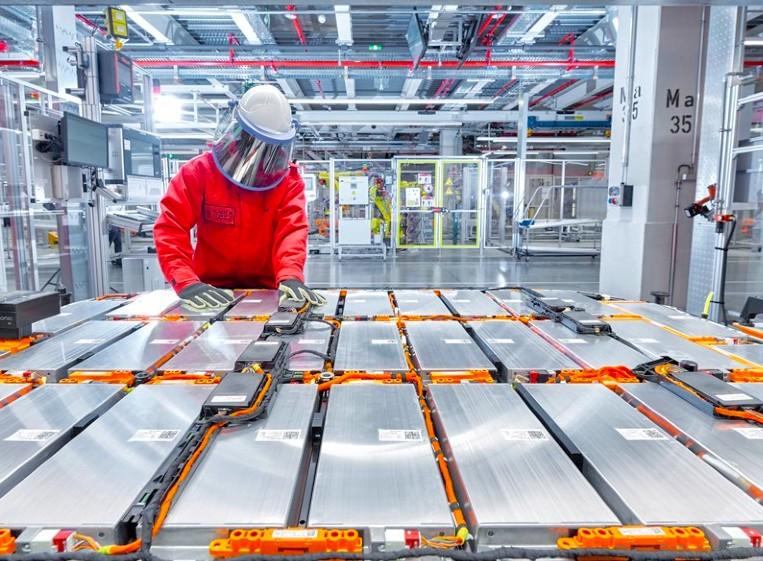
Chinese electric vehicle battery manufacturers increased their global market share to more than 70% in 2025, rising from less than 50% in 2021, while South Korean competitors continued to face challenges in the United States market.
According to Nikkei Asia, Contemporary Amperex Technology (CATL) offers a range of electric vehicle and plug-in hybrid vehicle batteries across multiple price points. Its customer base includes major Chinese automakers and a growing number of European manufacturers, including Volkswagen and the Mercedes-Benz Group.
Net profit rose by 42% in 2025 to CNY 72.2 billion (USD10.5 billion). CATL held a 39.2% share of the global market for electric vehicle and hybrid batteries in 2025 based on installed capacity, an increase of one percentage point compared with 2024, according to a research firm.
Its market share contributes to price and quality competitiveness and supports economies of scale.
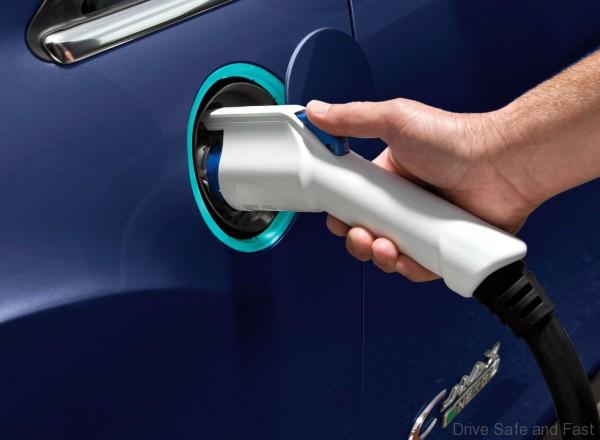
While electric vehicle sales have slowed in the United States and certain other regions, global growth has continued. Battery installation volumes increased by 32% from 2024 to 1,187 gigawatt-hours in 2025, with China accounting for approximately 60% of total demand.
China’s battery market continues to expand, supported by government subsidies aimed at promoting the adoption of electric vehicles and other new energy vehicles. CATL and other Chinese manufacturers are also capturing overseas demand, particularly in Europe, where limited local competition has created opportunities.
Six of the top ten global automotive battery manufacturers by installed capacity in 2025 were Chinese companies, with their combined market share increasing by approximately four percentage points from 2024 to 70.4%, according to a research firm.
BYD ranked second globally after CATL, developing and producing batteries in-house for its own vehicles while also supplying other companies such as Xiaomi and Stellantis, the manufacturer of Fiat, Peugeot, and Jeep vehicles.
China Aviation Lithium Battery (CALB) and Gotion High-tech, ranked fourth and fifth respectively, also reported increases in shipments. In contrast, South Korean battery manufacturers experienced a decline. Their combined market share fell by approximately three percentage points in 2025 to 15.3%, nearly halving from over 30% in 2021.
This decline reflects a strategic focus on the United States, where the Trump administration removed electric vehicle-supportive policies introduced under the previous administration.
LG Energy Solution, South Korea’s largest battery manufacturer and the third largest globally, derives approximately 40% of its revenue from the United States. Its net profit declined by 76% in 2025 to 80.8 billion won (US$ 53.9 million), representing less than 1% of CATL’s net profit during the same period.
SK On and Samsung SDI, the country’s second- and third-largest battery manufacturers respectively, both reported net losses.
“Demand for electric vehicles continues to decline, and a temporary contraction in battery growth is expected,” said Lee Chang-sil, chief financial officer of LG Energy Solution.
South Korean companies are reassessing their strategies in the United States. In March, SK On reduced its workforce by approximately 1,000 employees at its battery plant in the southern state of Georgia, representing about 40% of the facility’s workforce. In December, LG Energy Solution stated that it would sell buildings and other assets at its joint venture battery plant in Ohio with Honda Motor to Honda’s United States subsidiary.
Among Japanese manufacturers, Panasonic Holdings ranked seventh globally, with a market share of less than 4%. The company began operations at a battery plant in the Midwestern state of Kansas in July but has postponed full-scale operations – originally scheduled for the end of fiscal 2026 – due to declining sales at its major customer, Tesla.
The Chinese market is expected to slow in 2026, posing a potential risk to domestic suppliers. The Chinese government revised subsidies for the purchase of electric vehicles and other new energy vehicles at the end of 2025, contributing to a 28% year-on-year decline in new energy vehicle sales in January and February.
Chinese manufacturers are expanding production internationally to diversify their operations. CATL completed a production line at its first plant in Hungary at the end of 2025 and has recently commenced operations.
CALB is also increasing production capacity in Europe and Southeast Asia.

