


Twelve of the world’s most prominent automotive groups have begun scaling back or withdrawing their EV plans.
The global automotive landscape is undergoing a dramatic realignment. According to recent statistics, a dozen industry titans—including Audi, BMW, Ferrari, Mercedes-Benz, Porsche, and the Volkswagen Group—are retreating from previously ambitious EV targets. This strategic U-turn comes as five of the world’s top 10 carmakers reported significant losses last year directly tied to adjusting their electrification roadmaps.
Heavy Hitters Facing Financial Headwinds
The financial toll of the “EV winter” is becoming clear through the balance sheets of the industry’s biggest players:
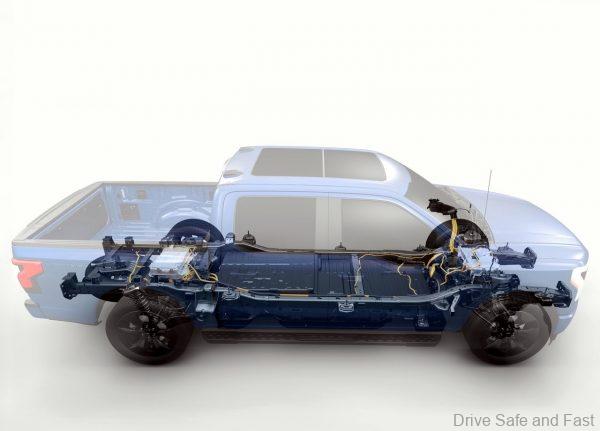
- Ford Motor: Facing low capacity utilization and intense price wars, Ford recognized approximately USD 19.5 billion in special project costs, significantly impacting its overall performance.
- General Motors: GM accumulated USD 7.6 billion in losses last year, prompting a shift in strategy that sees some EV production lines being redirected back to fossil fuel-powered SUVs and pickups.
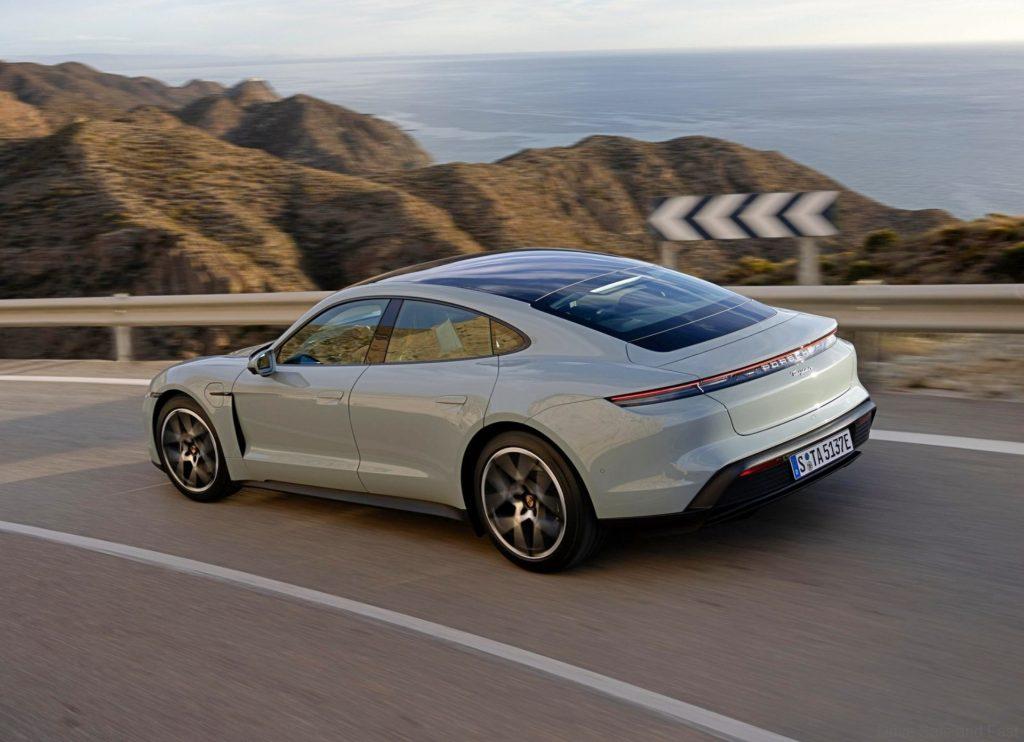
- Porsche: The luxury marque has opted to extend the lifecycle of its gasoline models, terminating certain battery projects at a one-time cost of USD 2.1 billion (EUR 1.8 billion).
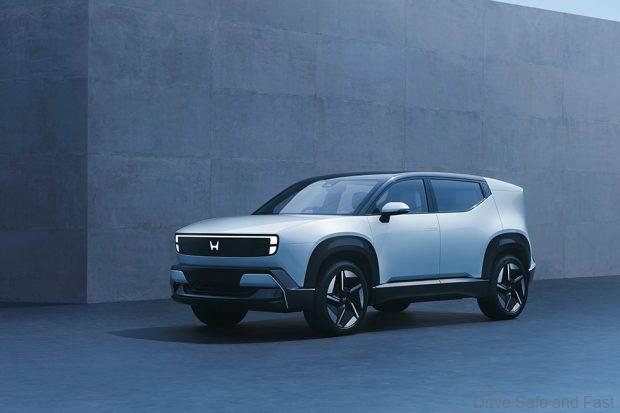
- Honda Motor: In a historic shift, Honda expects its first annual loss in 70 years, with total reevaluation costs reaching up to USD 15.7 billion (JPY 2.5 trillion).
The Strategic Pivot to Hybrids
Rather than abandoning electrification entirely, many manufacturers are finding a middle ground in hybrid technology. Honda, for instance, has announced the global launch of 13 new-generation hybrid models between 2027 and 2030. The company now expects pure electric sales to fall short of its previous 30% target by the end of the decade, reflecting a broader industry realization that the transition to “zero emissions” will be more gradual than first predicted.
Regional Divergence in EV Demand
The cooling sentiment is largely driven by a significant slowdown in key Western markets. While global EV sales are still projected to grow by 15.7% in 2026, the distribution is increasingly uneven:
- North America: EV sales are expected to plunge by 23% in 2026, largely due to an anticipated 29% drop in the United States.
- Europe: Growth is forecasted to slow to 14%, a sharp decline from the 33% growth seen previously.
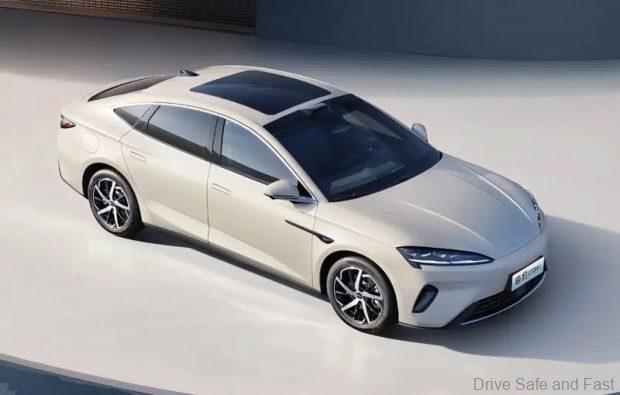
- China: In contrast, China remains a bright spot, with EV sales growth expected to accelerate to 21% as domestic manufacturers continue to gain ground.
As high research and development expenses collide with fluctuating consumer demand and shifting incentives, the “all-in” approach to EVs is being replaced by a more pragmatic, multi-pathway strategy. For the world’s leading automakers, the next few years will be defined by balancing the costs of innovation with the enduring profitability of internal combustion and hybrid platforms.

