

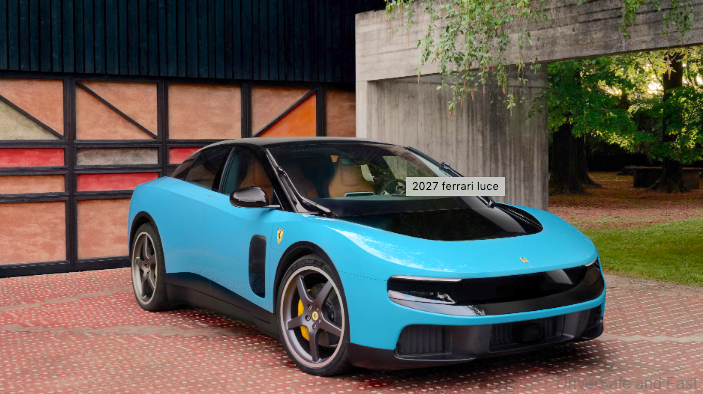
The controversial Ferrari Luce EV has cost at least one senior Ferrari employee their job.
The automotive industry has been buzzing with speculation regarding Ferrari’s first-ever electric vehicle, the $630,000 (€550,000) Luce. Specifically, rumours had circulated suggesting that purchasing this divisive new model might become a mandatory requirement for clients seeking access to the luxury automaker’s most exclusive, limited-series vehicles. Ferrari’s leadership has now found the first person to blame for the car’s poor reception, their marketing director.
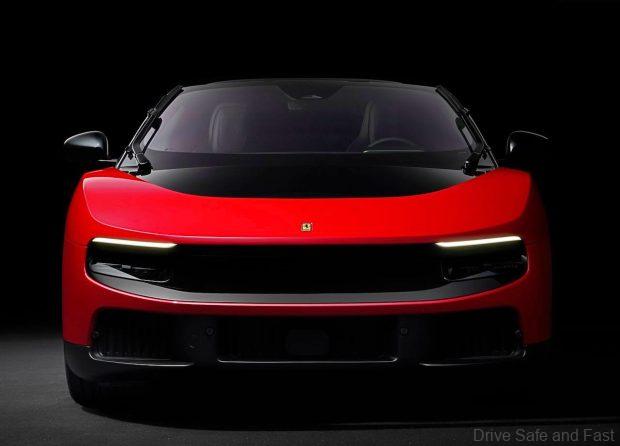
Enrico Galliera, Chief Marketing and Commercial Officer at Ferrari, addressed these concerns during a recent product presentation. Galliera explicitly denied a report stating that Ferrari would use the Luce as a stepping stone toward more limited edition models, categorically stating that pressuring clients into buying the Luce to unlock future opportunities would be a “huge mistake”. According to Ferrari, the company’s primary focus is on ensuring that the move into the luxury electric vehicle sector is driven by genuine client enthusiasm rather than forced transactional pressure.
Following this statement, Ferrari has since replaced
Why Ferrari Avoids Forced Allocation
The reasoning behind this stance is deeply rooted in maintaining the brand’s long-term market value. Applying pressure to purchase the Luce could inadvertently create “negative ambassadors.” These are clients who might buy the car solely as a means to gain access to other highly sought-after models, only to flip or resell the EV shortly after delivery. Ferrari warns that such behaviour could destroy the residual market value of the Luce, a significant challenge currently impacting the wider luxury electric vehicle market.
Understanding the Allocation System
Ferrari operates a long-standing, refined allocation system that traditionally favors its most dedicated client base. This strategy prioritizes established owners, specifically those who possess multiple Ferraris and participate actively in factory events. The loyalty of the existing customer base remains the backbone of the brand’s sales; in 2025, approximately 84% of new Ferraris were sold to current drivers, with 56% going to clients who already own more than one vehicle from the marque.
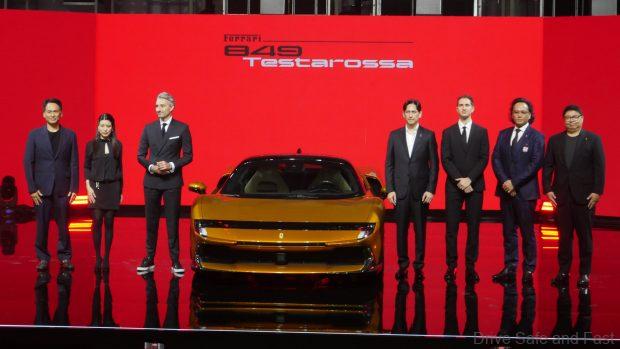
While his comments may have quelled some suspicions around how the company would deal with possible low demand for the EV, it seems the man himself has been replaced. He stepped down from his post yesterday after 16 years in the company, only to be replaced by an even more Italian sounding individual, Massimiliano Di Silvestre.

