

Tesla’s autonomous ride-hailing network is poised to make a major operational leap, with company leadership confirming that the service is on the verge of transitioning to round-the-clock, 24/7 driverless availability.
Speaking on X (formerly Twitter) on September 6, Ashok Elluswamy, Tesla’s Head of AI, revealed that 24/7 operating capability is targeted to roll out “in about a month.” According to Elluswamy, the operational expansion hinges on the complete integration of the “next technology in the v15 plan”—signaling the upcoming deployment of Tesla’s next-generation Full Self-Driving (FSD) architecture.
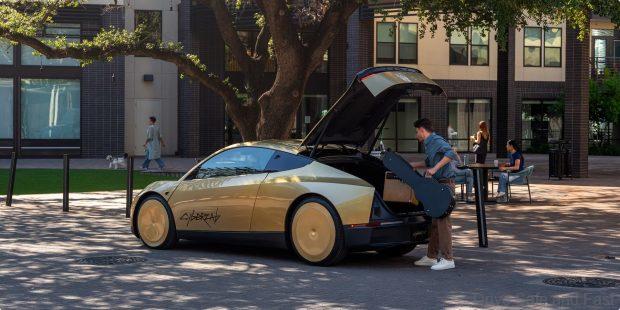
While specific software revisions remain closely guarded, Elluswamy stopped short of clarifying vehicle-specific deployment schedules, leaving open whether round-the-clock dispatches will kick off across existing Model Y robotaxi fleets, dedicated Cybercab platforms, or both vehicle lines simultaneously.
Current Fleet Operating Footprint and Shift Hours
Tesla’s initial commercial ride-hailing deployment has been operating under controlled operating windows:
- Current Operating Hours: Active seven days a week, restricted between 6:00 a.m. and 10:00 p.m. daily.
- Active US Hubs: Operational across six major metropolitan centers spanning Texas and Florida: Austin, Dallas, Houston, Miami, Orlando, and Tampa.
- Target Milestone: Eliminating the overnight downtime window allows Tesla to capture high-margin nighttime transit demand, airport transfers, and early-morning commuter traffic, bringing its service cadence directly in line with conventional ride-share networks like Uber and Lyft.
Safety Milestone: Over 380,000 Incident-Free Autonomous Miles
The move toward uninterrupted round-the-clock service follows strong preliminary fleet validation data logged by the company’s autonomous trial operations.
As of July 2026, Tesla’s robotaxi fleet accumulated more than 380,000 commercial miles across Texas and Florida without recording a single serious collision or safety incident caused by the autonomous driving system.
The impending deployment of the v15 software suite is expected to further refine unassisted edge-case maneuvering, dense urban navigation, and complex low-light intersection handling—critical requirements for safe, scalable operations during late-night and pre-dawn hours.

