


While most Malaysians would have no trouble naming the top two Japanese automakers over here, fewer could tell you who rounds off the podium. And the answer to that tends to surprise people, because it is Mitsubishi.
Yes, the tri-diamond marque is the third best-selling Japanese automaker in 2025 overall, and sixth best-selling automaker overall in Malaysia from January to April 2026. A pretty remarkable feat for any car company, and a genuinely extraordinary one for a brand with just two or three models in its active lineup.
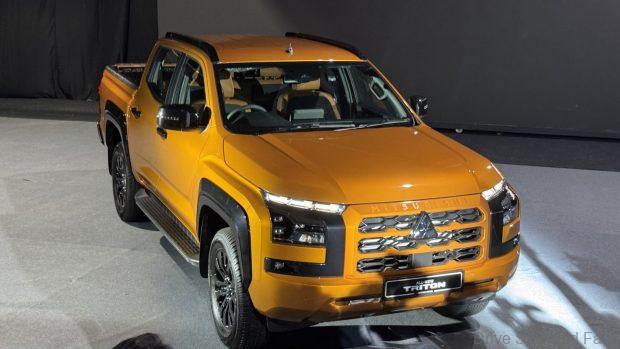
And it is perhaps that last detail that might make some, for those who don’t already own one, ask the obvious question: why are Malaysians still buying Mitsubishis?
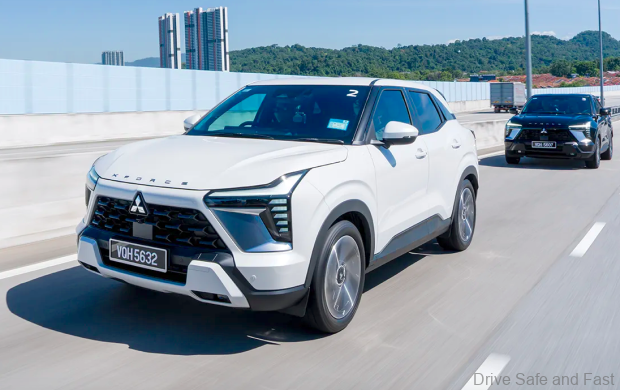
Well, the real case for Mitsubishi isn’t made in brochures or showrooms. It is instead made in school car parks, on plantation roads, and at the loading bays of power plants all across the country. It is, at its core, a story built on years of quietly kept promises.
Quietly Dependable
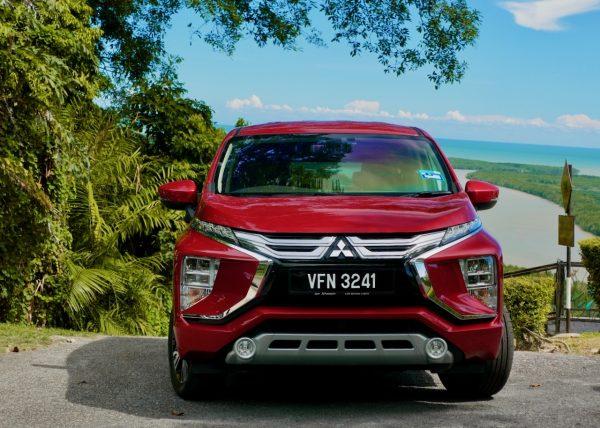
Here’s a good case in point: the Xpander. When it arrived in Malaysia in 2020, its pitch to buyers was straightforward: a practical, spacious MPV built for families with a sensible budget. And six years on, it has quietly embedded itself into the rhythm of Malaysian life in the way only genuinely reliable things do.
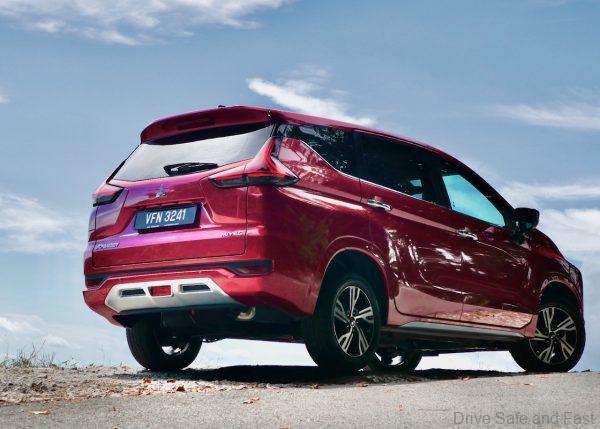
There are children in this country who have grown up with the Xpander as the unremarkable backdrop of their school runs and balik kampung journeys. But do note that this unremarkable-ness in the best possible sense, because this family-mover simply works, trip after trip, year after year, without generating the kind of ownership horror stories that travel fast through family group chats and make the next car purchase a fraught decision.
As for the Xforce, launched more recently, the interest it generated reportedly caught even its makers off guard. But it shouldn’t have. Because this is Mitsubishi’s value-driven philosophy on full display: get the fundamentals right first, then layer in the features and finishes that close the deal. And Malaysian buyers, it turns out, notice when a car has been built with that kind of discipline.
The Backbone of Businesses
Now if the Xpander is Mitsubishi’s family contract, the Triton is its professional handshake, and it is one that an enormous number of Malaysian businesses have been shaking for decades.
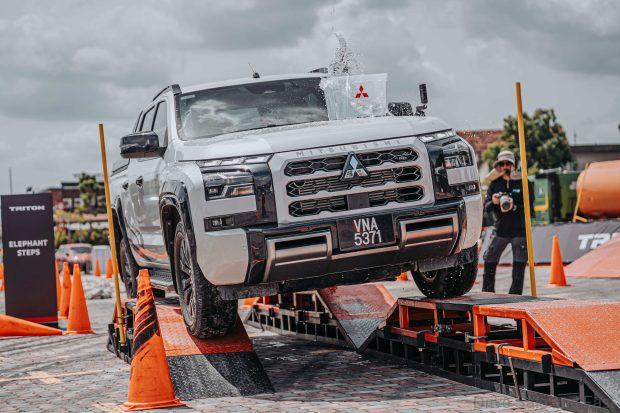
Drive far enough outside the city and the tri-diamond badge becomes a rather common sight. Plantation logistics, construction site support, utilities maintenance — the Triton has (sometimes literally) been load-bearing infrastructure for Malaysian commerce in a way that rarely makes headlines, precisely because it so rarely gives reason to.
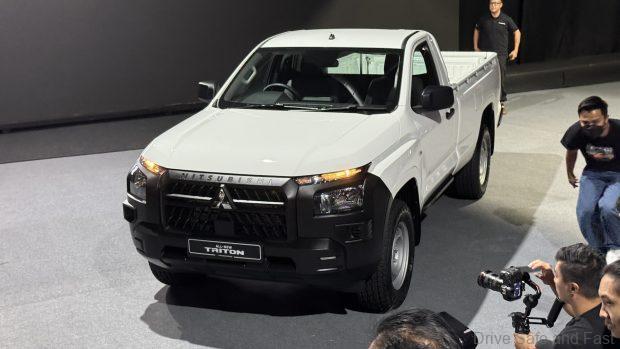
And in those working environments, that kind of reliability isn’t a mere marketing gimmick. It is really the difference between a job done and a job not done.
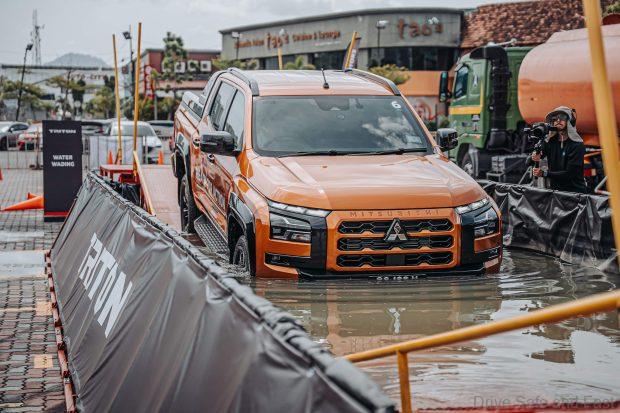
That said, this latest generation of Triton asks to be reconsidered beyond its workhorse credentials. It arrives with lashings of leather, a suite of driver assistance technology, and a cabin refinement that would not have looked out of place in a boss’s luxury sedan not too long ago. And the result is a truck as comfortable navigating the concrete jungle, as it is the actual one.
Rally DNA That Didn’t Retire
Speaking of actual jungles, it would be remiss not to mention where some of that capability comes from.
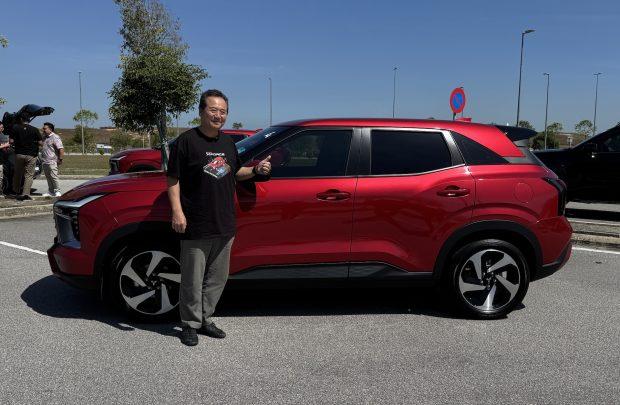
While Mitsubishi’s presence on the rally scene may have quieted since the glory days of the Evo, the engineering born from those campaigns however very much lives on. Take Active Yaw Control (AYC) for instance, developed and sharpened through the Evo’s motorsport programme, now sits at the heart of both the Xforce and the Triton. What was race-bred is now road-going, and the driving character of both is measurably better for it…
Still Winning To This Day
…Which brings us to the most recent entry in Mitsubishi’s competitive record, and the one that renders every claim in this piece unnecessary to argue.
The Mitsubishi Ralliart works team, campaigning a Triton pickup, claimed overall championship honours at the Asia Cross Country Rally 2025. The same truck that carries schoolbags and site equipment and weekend camping gear across Malaysia just proved itself the most capable vehicle in one of the region’s most demanding competitive environments.
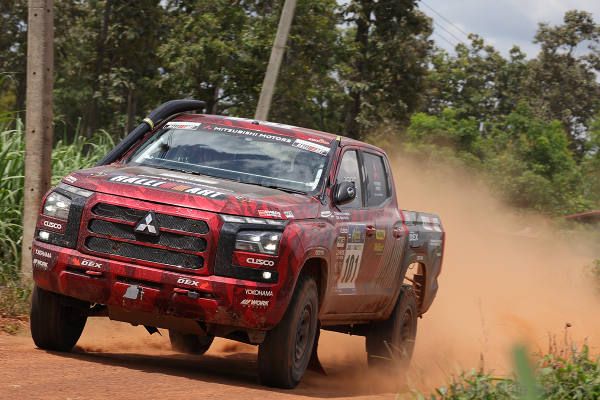
That’s not a coincidence or a fortunate campaign. It is, in the most literal sense, exactly what the brand has been quietly insisting it could do all along.
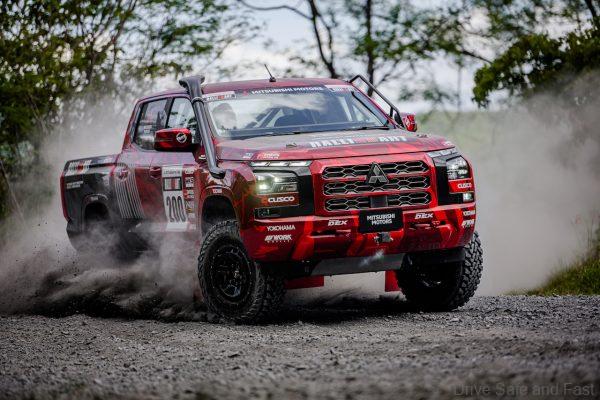
And this thus neatly ties back to the opening question of why Malaysians are still buying Mitsubishis. Malaysians aren’t buying Mitsubishi because of clever advertising or an aggressive incentives programme. They are buying it because enough people they know and trust already have. And in a market where ownership experience travels faster than any media buy, that’s the most durable competitive advantage a brand can have.
The tri-diamond doesn’t shout. It just keeps showing up. And to a lot of Malaysians, that turns out to be exactly enough.

