

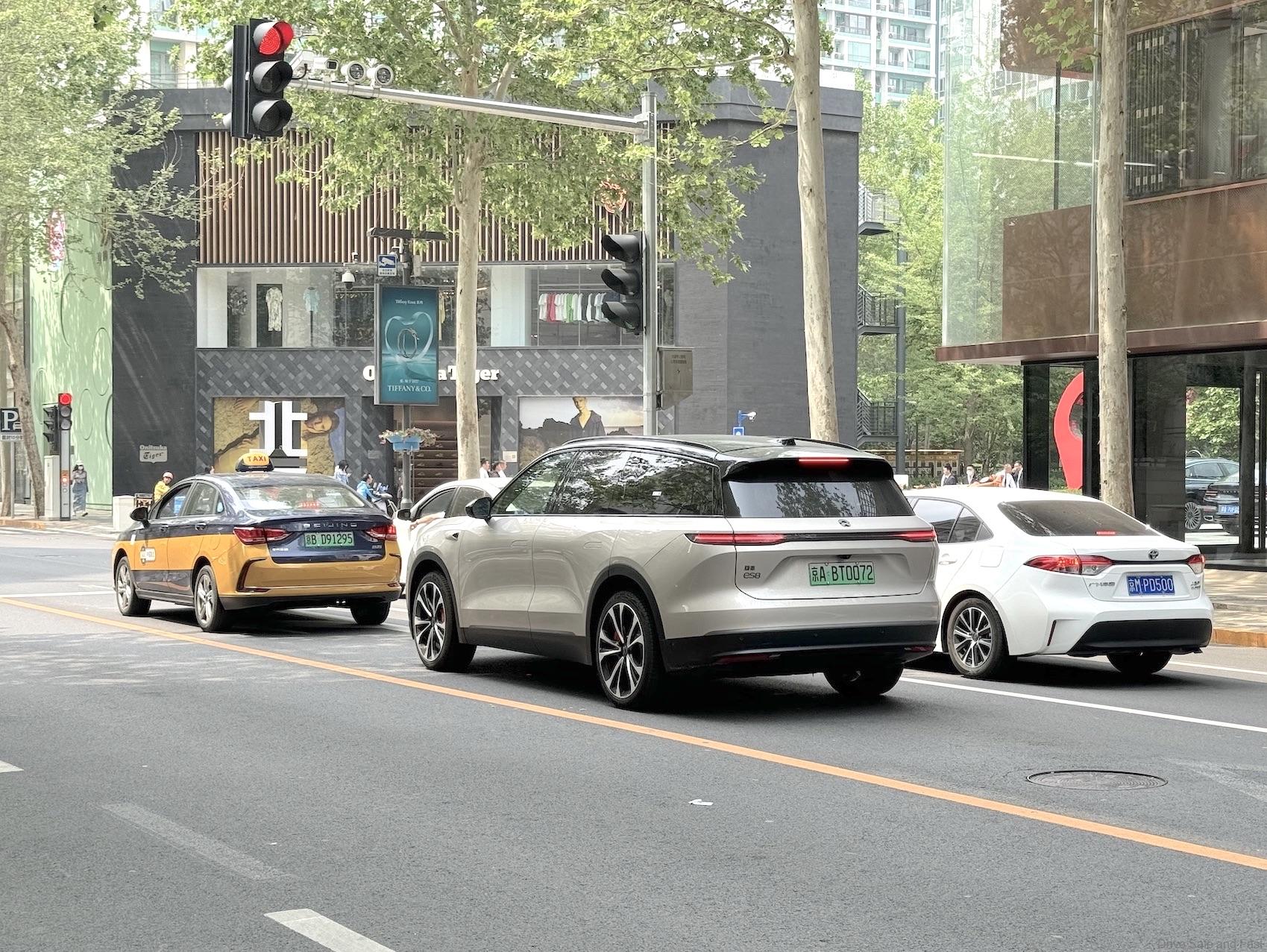
According to new-car sales data from the European Automobile Manufacturers’ Association, five Chinese automakers sold a combined 138,410 vehicles in May.
That group includes BYD, SAIC Motor, Zhejiang Geely, Chery Automobile, and Zhejiang Technology. Together, their sales rose 65% year-on-year.
Meanwhile, Toyota, Honda, Nissan, Suzuki, Mazda, and Mitsubishi sold a combined 130,424 vehicles, down 3% over the same period.
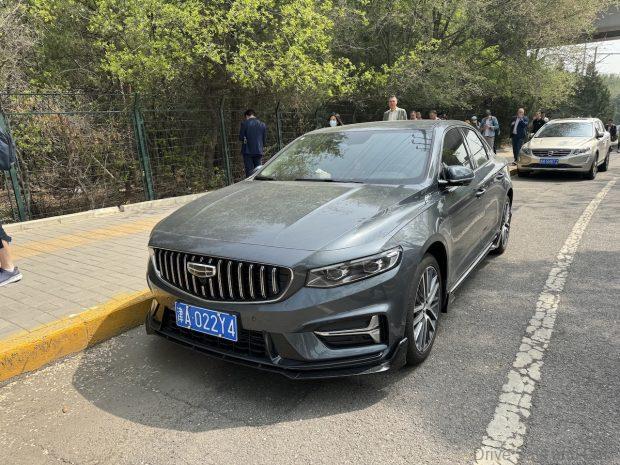
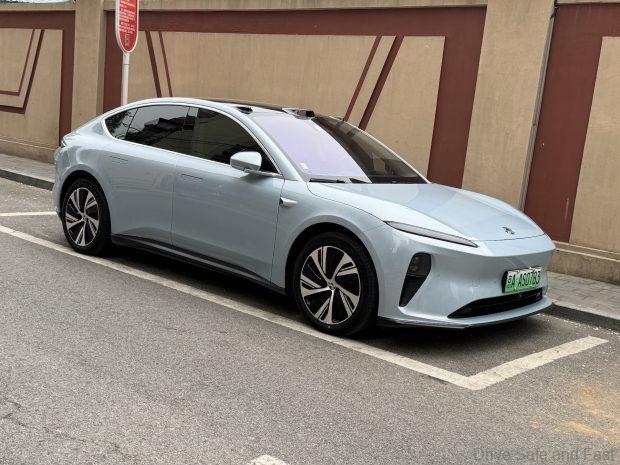

According to the European Automobile Manufacturers’ Association (ACEA), the combined sales of five Chinese automakers SAIC, BYD, Geely Group, Chery Automobile, and Li Auto in 31 major European countries reached 138,410 units in May.
This gave Chinese brands a 12.0% market share, surpassing Japanese brands, which sold 134,240 units (11.3%). South Korean brands followed with 80,644 units (7.5%). This marks the first time Chinese automakers have overtaken Japanese rivals to rank just below European local brands in monthly sales, a dramatic shift within 3–4 years of their full-scale entry into Europe.
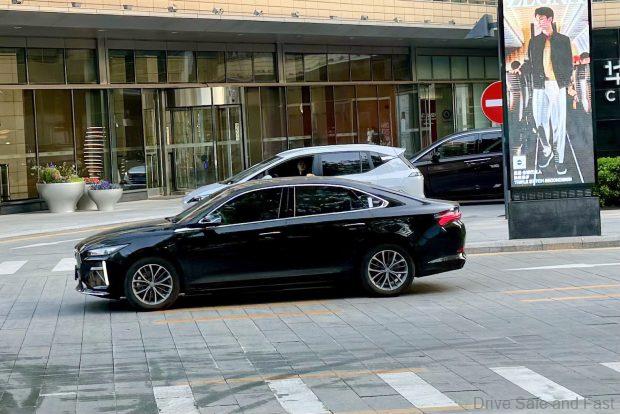
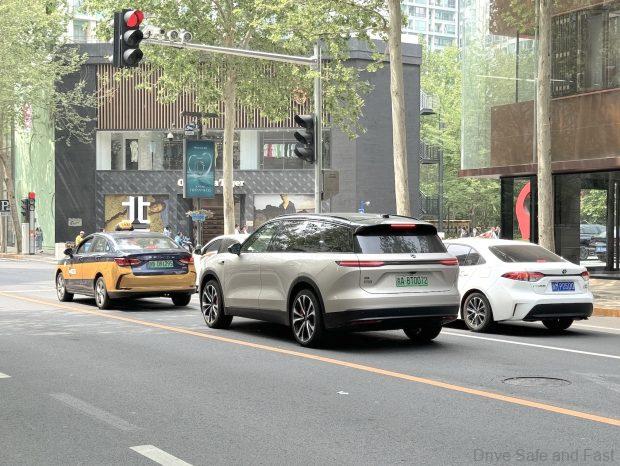
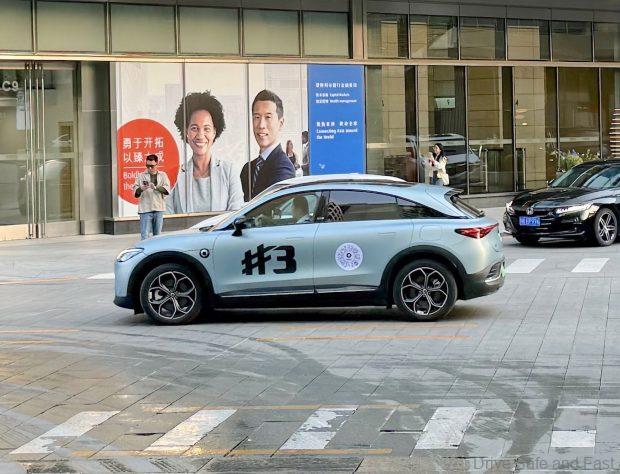
Overwhelming Growth Despite Up to 45% Tariffs
The surge in Chinese market share is driven by an increase in the number of Chinese automakers officially recognised by ACEA, which expanded to five in April, adding Geely Group, Chery Automobile, and Li Auto to SAIC and BYD. Volvo, previously counted separately, was also integrated under Geely Group.
In a massive milestone for the global auto industry major Chinese automakers (BYD, SAIC Motor, Geely,and Chery) sold a combined 138,410 vehicles across 31 European countries in May. This 65% year-on-year surge officially allowed them to outsold Japanese rivals in the region for the first time.
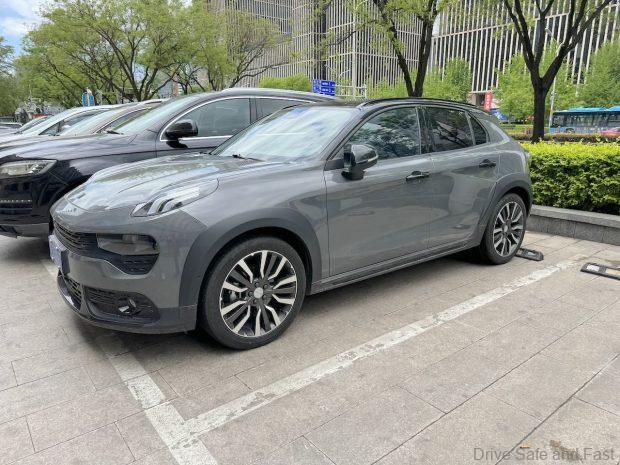
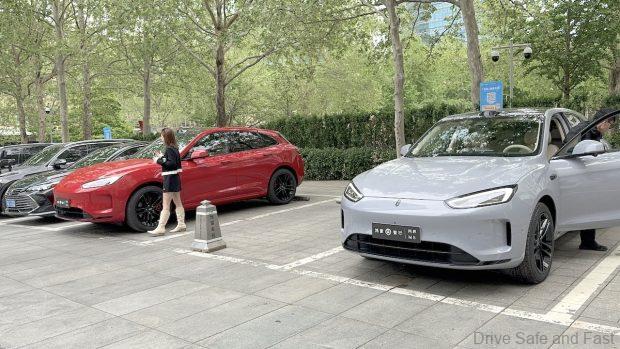
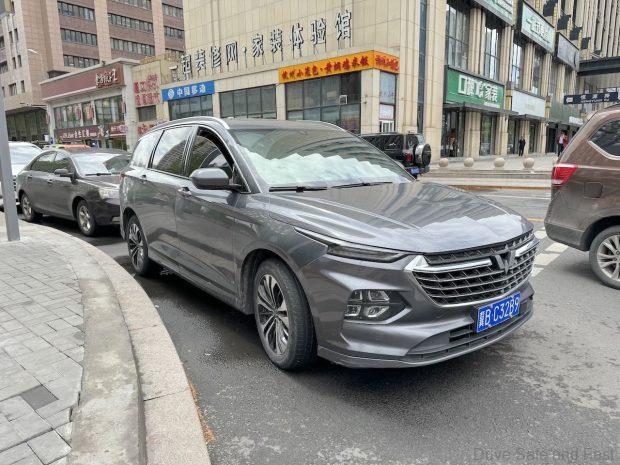
The Sales Breakdown
Chinese brands captured an 11.4% share of the European new-car market, comfortably outpacing the combined 130,424 units sold by six major Japanese automakers (Toyota, Nissan, Suzuki, Mazda, Honda, and Mitsubishi).
The Figures: Chinese Automakers vs. Japanese Automakers 138,410 to 130,424
Market catalyst shows a strong pivot to plug-in hybrid electric vehicles (PHEVs) and competitive pricing helped these brands bypass EU tariffs (which can reach up to 45.3%) and benefit from renewed EV subsidies in Germany and other European markets.

