


The longer warranties and also longer after sales freebies provided by new Chinese automotive brands are a hot topic with many new car buyers today and here is why it spurs sales
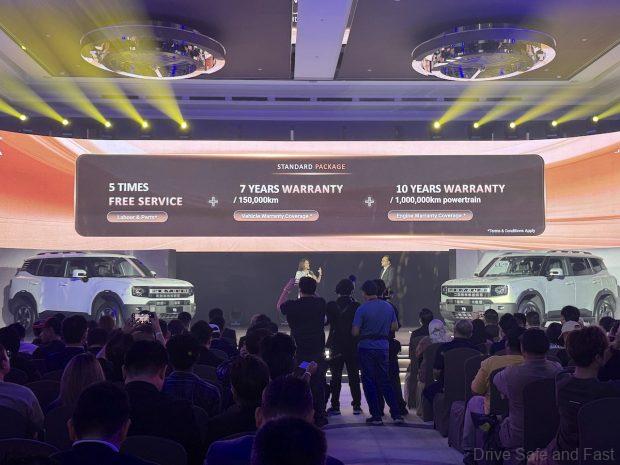
Right now in Malaysia and most part of the world Chinese automakers such as Chery, BYD, GWM and Geely are make headlines with every new car and model launch by offering extensive powertrain coverage, including 7-year, 10-year, or even 1,000,000km warranty guarantees.
While it looks like an immense financial gamble, it is actually a calculated business strategy backed by mechanical design, business economics, and precise statistical risk assessment.
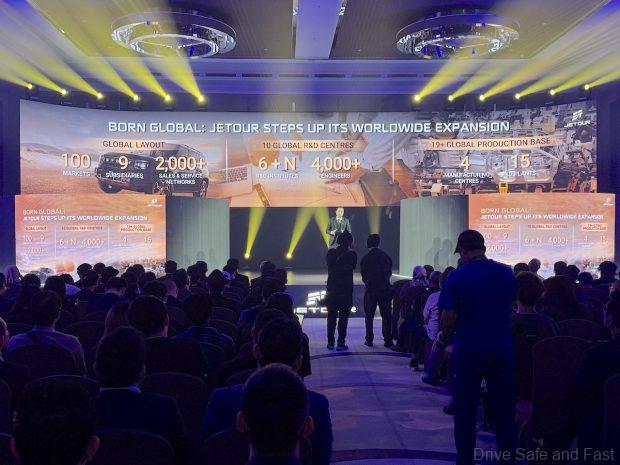
1. Market Penetration & Trust-Building Strategy
For new or returning automotive brands entering markets dominated by established Japanese and European competitors, consumer skepticism regarding long-term reliability and resale value is the biggest hurdle.
A headline-grabbing warranty lowers the barrier to entry. It sends a clear message to buyers: “We are taking on the risk so you don’t have to”. Long transferable warranties reassure secondary buyers, helping stabilize used car prices.
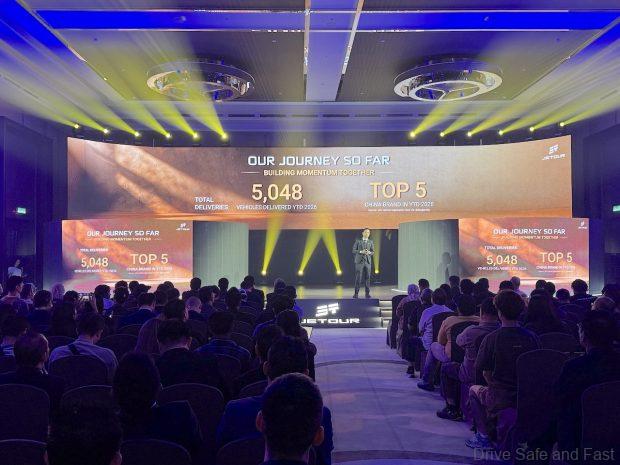
2. Mechanical Simplicity of Modern & Electrified Powertrains
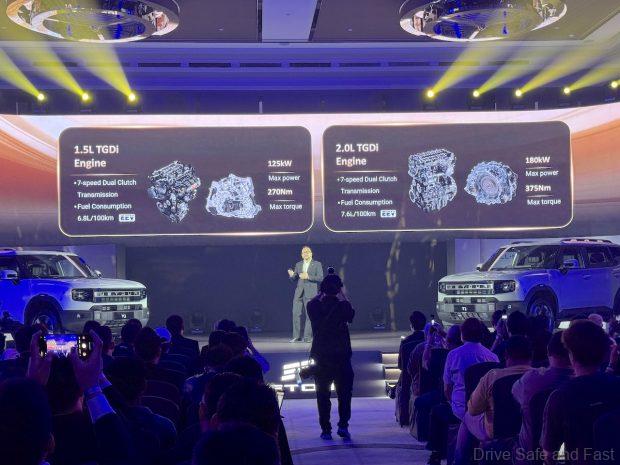
The actual risk of major powertrain failure is far lower on modern Chinese platforms than traditional combustion vehicles. A major portion of Chinese exports are Plug-in Hybrids (PHEVs), Extended-Range EVs (EREVs), or pure BEVs. Dedicated Hybrid Transmissions (DHTs) and electric motors use far fewer moving parts eliminating complex multi-gear torque converters, dual-clutch packs, and timing belts.
Petrol engines in Chinese PHEVs often run on constant-RPM Atkinson cycles designed strictly as power generators rather than high-strung, rev-happy performance engines. Low stress equals significantly less mechanical wear over time.
3. Strict “Authorized Service Network” Lock-In
Long warranties function as a long-term subscription model to the automaker’s dealer network which means to keep a 7- to 10-year powertrain factory warranty valid, the first owner must strictly follow the official service schedule using authorized service centers and genuine fluids.
Servicing costs generated over 7–10 years offset the occasional cost of a warranty repair. Furthermore, strict maintenance drastically reduces engine failures caused by customer neglect.
4. Massive Vertical Integration & Low Replacement Costs
Chinese automakers maintain deep vertical integration by controlling their own battery production (e.g., BYD’s Blade Battery), chip design, motor manufacturing, and engine foundries. If a powertrain component fails under warranty:
A traditional brand sourcing parts from third-party Tier-1 suppliers pays a high markup for replacement assemblies. A vertically integrated Chinese automaker manufactures replacement components in-house at direct factory cost, making warranty claims far cheaper to absorb.
So, is it time that legacy car manufacturers look at offering a similar warranty and after sales program to win back customers?

