
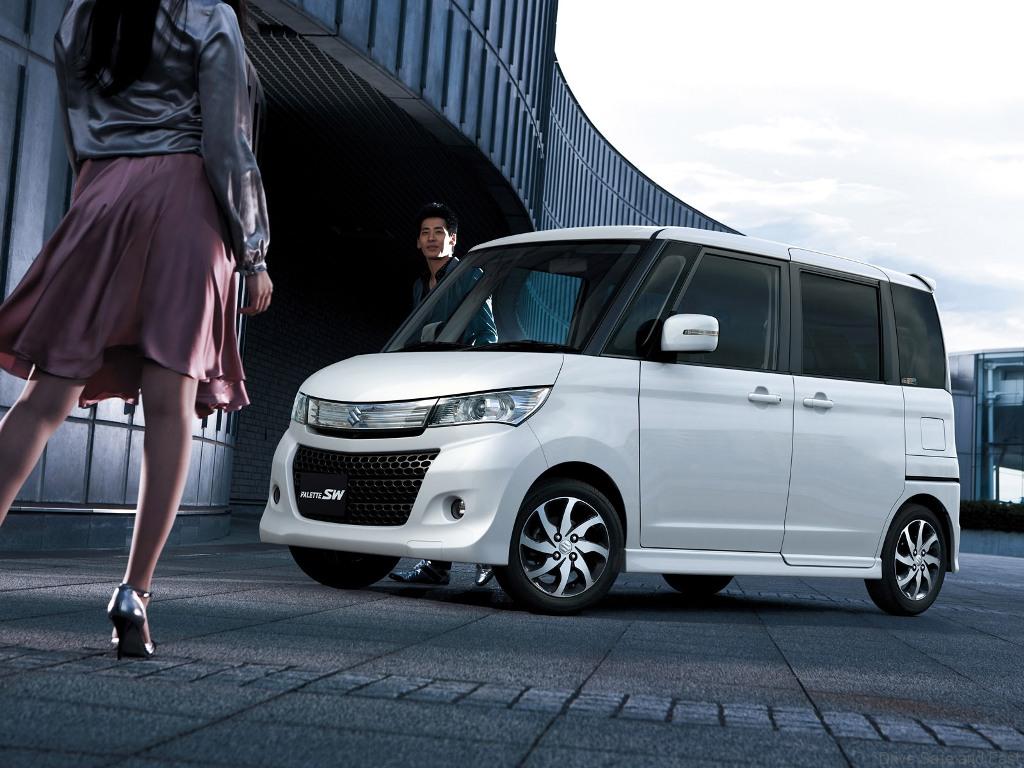
Did you know that NEW Kei cars are not allowed to be sold in Malaysia due to safety regulations however why are they allowed to be imported in and sold used by AP recon dealers?
If there are deemed unsafe for Malaysians …… when NEW ……. why is it ok ……. when USED?
The reason Kei cars are absent from official new-car showrooms in Malaysia yet available on AP (Approved Permit) recon car lots comes down to how new vehicles vs. used imports are regulated, alongside manufacturer liability and homologation costs.
To officially sell a new model vehicle in Malaysia, manufacturers (e.g., Honda, Toyota, Chery and Nissan for example) must obtain Vehicle Type Approval (VTA) from the Road Transport Department (JPJ).
Malaysia is a signatory to the UN WP.29 framework, requiring new models to pass strict UNECE global safety standards (frontal/side crash tests, pedestrian safety, ISOFIX, etc.).
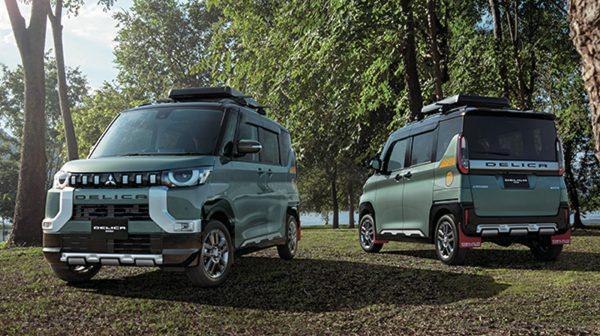
Used cars imported via Ministry of Investment, Trade and Industry (MITI) Open APs bypass mass-model factory homologation. Instead of requiring the original manufacturer to submit crash-test dossiers for local type approval, imported used vehicles are vetted on an individual roadworthiness inspection basis through PUSPAKOM and JPJ verification (checking chassis numbers, roadworthiness, lighting and emissions).
Kei cars are built exclusively around Japan’s unique Keijidosha (Keijidōsha, meaning “light automobile” and commonly known as a kei car, is a distinct Japanese legislative category for the smallest class of highway-legal motor vehicles, featuring strict size limits, tiny engines, and reduced taxes) tax, size and 660cc engine regulations.
Japanese crash test and dimensions for Kei cars prioritize tight, low-speed urban environments.
Many Kei models are not crash-tested or engineered to meet the broader UNECE standards required for brand-new vehicle registrations in export markets like Malaysia.
Japanese automakers deliberately restrict Kei cars to Japan because adapting them for export markets involves high re-engineering costs:
Kei cars are engineered for lower urban speed limits. Automakers are hesitant to accept official legal liability for selling ultra-light, tall-boy vehicles on foreign high-speed highways (e.g., Malaysia’s North-South Expressway).
Recon dealers import these vehicles as grey-market used goods “as-is” without official manufacturer warranties, shifting the liability and maintenance burden entirely to the buyer and third-party warranty providers that are very difficult to make claims.
The government does not “ban” Kei cars based on shape or size; rather, Japanese manufacturers choose not to undergo the expensive VTA homologation required to sell them as new cars in Malaysia.
AP recon importers take advantage of the used-car import framework, which evaluates cars individually for roadworthiness rather than requiring full factory crash-test homologation.
Import taxes and final retail pricing for recon Kei cars (like the Honda N-Box, Suzuki Spacia, or Daihatsu Tanto) differ significantly from locally assembled (CKD) cars in Malaysia. While Kei cars are meant to be budget urban runabouts in Japan, the Malaysian tax structure and dealer margins transform recon Kei cars into boutique niche purchases rather than cheap entry-level cars.

