


In the Malaysian market, ‘automotive influencers’ and automotive ‘Key Opinion Leaders’ (KOLs) are getting more and more popular and are they driving sales for their clients OR driving their own fame? Could they just be window dressing?
One should ask if the actual value depends heavily on the type of influencer used in presentation and the stage of the vehicle buying journey.
Can Automotive KOLs Actively Drive Sales
Cars are a high-involvement financial commitment (often 7- to 9-year loans in Malaysia). Over 89% of Malaysian car buyers research extensively online by watching YouTube reviews, reading specification and checking TikTok/social media comparisons before stepping into a showroom for a test drive.
In this environment, motoring KOLs (e.g., established motoring journalists, focused auto reviewers and hired experts) act as critical sales enablers.
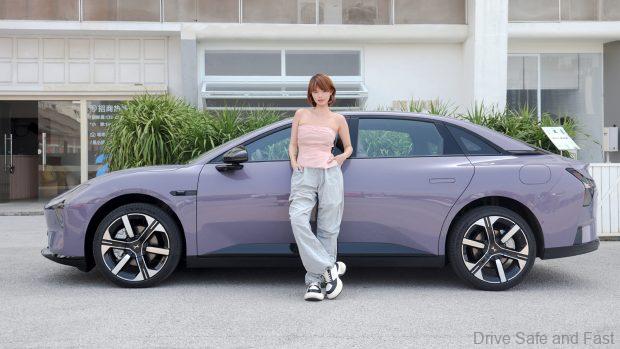
With the influx of Chinese EV and ICE brands (such as Geely, BYD, Chery, GWM and Jaecoo), Malaysian buyers are often cautious about long-term reliability, gearbox durability and resale value. Dedicated automotive reviewers test these vehicles, demystify the latest automotive tech like touch screens or battery technology and build pre-purchase confidence.
Rather than introducing a car for the first time, reviews educate buyers. By the time a customer walks into a dealership, they are already pre-sold on the specifications and are visiting primarily for a detailed test drive or financing/loan quotation (sometimes the visit is just for a FREE cup of coffee).
Many new automotive brands and dealership networks use targeted trackable links, test-drive booking codes or launch event RSVPs tied to automotive influencers, bringing in direct increases in dealership footfall and test-drive requests.
Some influencers have become “Window Dressing”! Not all influencer marketing translates into car sales. When campaigns fall flat, it is usually due to three core pitfalls. Let us explain.
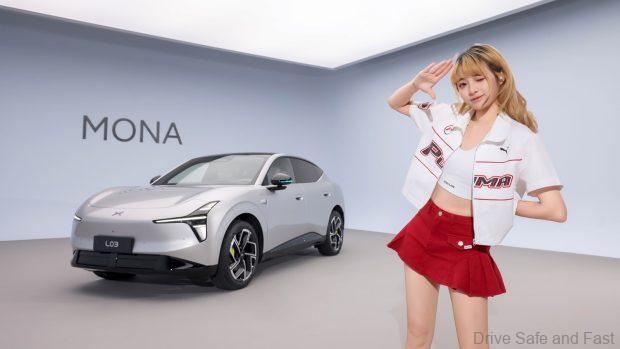
1. Hiring fashion, beauty, or travel influencers to pose beside a car builds vanity metrics (likes, reach) but fails to convert (most followers might be below 18 years or above 80 years). Buyers do not spend RM100,000+ because an influencer looked stylish next to a vehicle.
2. High social media follower counts rarely correlate with purchasing power. A young, highly engaged online audience may like a review of a sports sedan but lack the credit score or income to qualify for financing the car.
3. Then there is the ‘Lack of Authenticity’ or better know as ‘Over-Scripted Reviews’. Educated Malaysian car buyers quickly recognize sponsored “infomercials” where an influencer reads a press release word-for-word (which we see happening everyday on our social media when a new car is launched). If an influencer praises a laggy infotainment system or poor suspension, they lose credibility and the audience dismisses the recommendation.
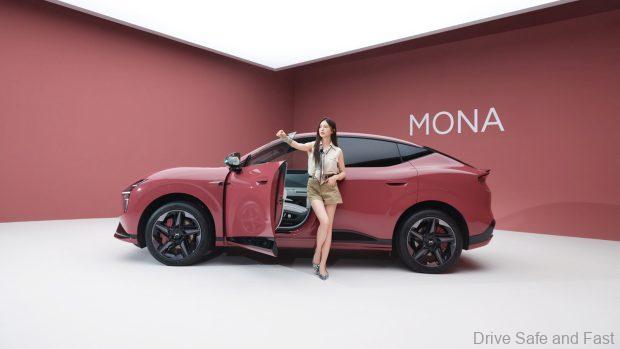
Well, we know that an automotive KOL can generate initial interest with their content, but they cannot close a sale alone. In Malaysia, the conversion chain often breaks at the car dealership level due to a low loan approval rate or poor trade-in value for the buyer’s existing vehicle which is a common issue right now since the influx of new well priced electric cars.
Still, the game continues and we watch and learn from these new generation of ‘auto sales people’!

