


China-based automakers took the 5 top positions in ZEV segment and 5 of 6 top positions for EV sales share
China-based automakers are far ahead in ZEV (Zero Emissions Vehicles are any vehicles that use a propulsion technology that does not produce internal combustion engine exhaust or other emissions) market dominance.
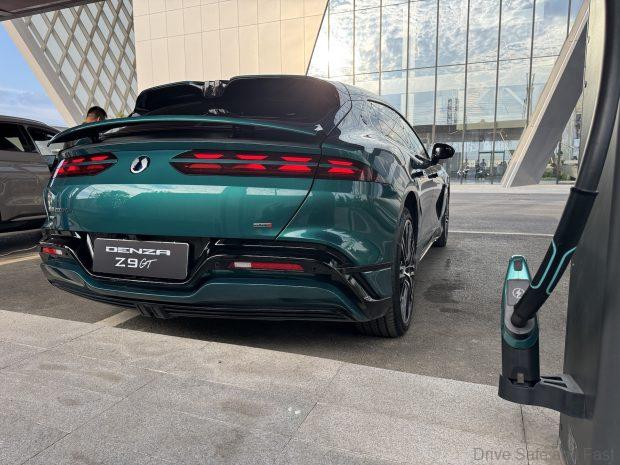
Between 2009 and 2022, the Chinese government dished out more than RM122 billion in subsidies and tax benefits to boost the production of electric cars, taxis and buses.
But subsidies alone can’t explain the meteoric rise of China’s ZEV industry. Over two decades, Beijing has built a manufacturing sector that fosters domestic competition, rapid production and company-level innovation.
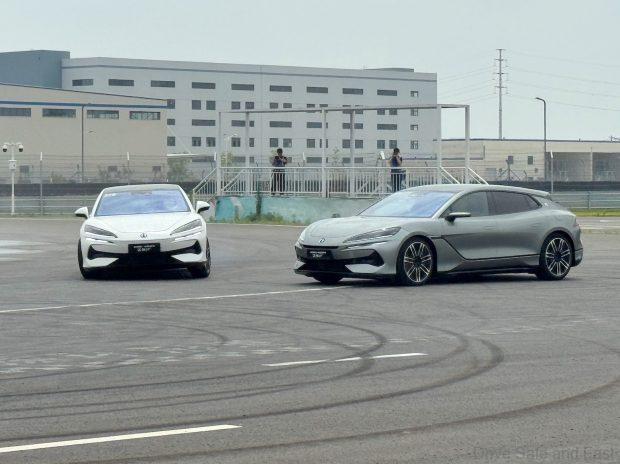
Geely (Proton’s partner), SAIC (selling the MG brand), Changan, Chery, and Great Wall Motor increased ZEV-equivalent sales shares by 6 to12 percentage points from 2023 to 2024 while other automakers made much more limited progress or recorded declines.
Geely and SAIC reached 50% EV (BEV and PHEV) sales shares before applying our adjustment factors for PHEVs and both met their 50% EV by 2025 target 1 year ahead of schedule. That China-based automakers also make up the entire top 5 in ZEV class coverage suggests that a wider variety of offerings supports their higher EV sales. Besides Geely and Chery, Tata Motors and Honda were the only automakers to diversify their ZEV model offerings compared with 2023.

Chinese manufacturers occupy the top five spots globally for ZEV class coverage and dominate EV sales share metrics.
BYD surpassed Tesla in global battery electric vehicle (BEV) sales, while giants like Geely and SAIC accelerated their transition to hit 50% EV sales ratios early.
Facing intense domestic price competition, firms are aggressively exporting to Europe, Latin America, Southeast Asia, and Australia, breaking into the worldwide top 10 overall volume rankings.
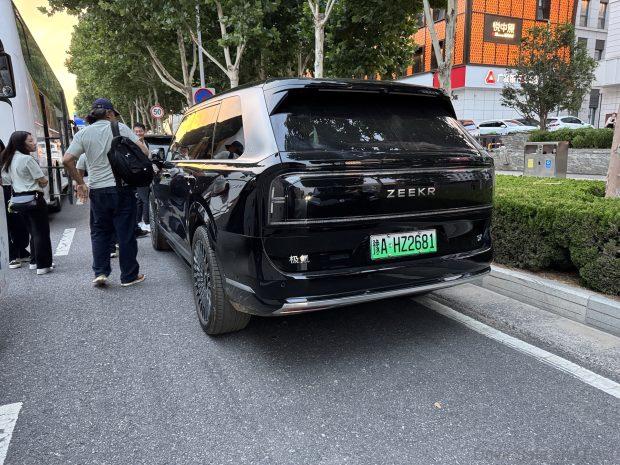
Technological and Supply Chain Advantages
Industry leaders control critical segments of the production chain, from raw materials and battery manufacturing (such as CATL and BYD) to final assembly.
Rapid implementation of artificial intelligence, digital cockpits, and fast-charging architecture keeps Chinese models highly competitive against legacy alternatives.
Although dominant in volume, Chinese producers face localized trade barriers like high tariffs in the US and EU, forcing a strategic pivot toward local manufacturing and overseas partnerships.
Meanwhile, Geely is reportedly in talks with Ford to use production capacity in Spain, while Chery is exploring cooperation with JLR in the UK.

