


The US government cites connected car security concerns around Polestar vehicles for the ban.
Polestar has officially announced that the Trump administration is forcing the premium EV maker to completely halt all vehicle sales in the United States starting from the 2027 model year.
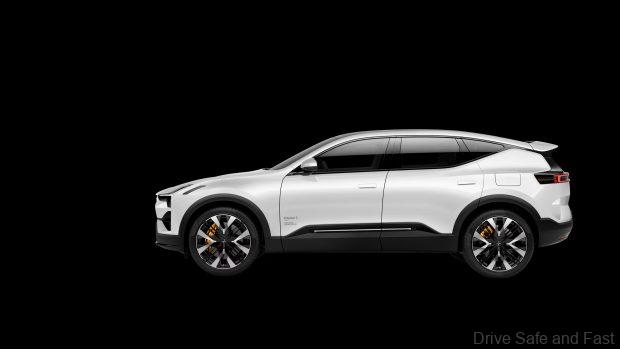
The decision comes after the U.S. Commerce Department officially denied Polestar authorization to sell its cars under the strict Connected Vehicles Rule. First adopted in January 2025 under President Joe Biden and maintained under President Donald Trump, the rule restricts the import and sale of cars carrying connected-vehicle technology—such as Bluetooth, Wi-Fi, cellular systems, and satellite communications—linked to China due to national security and sensitive data collection concerns. Following the afternoon announcement on the Nasdaq, shares of Polestar slid by 6.3%.
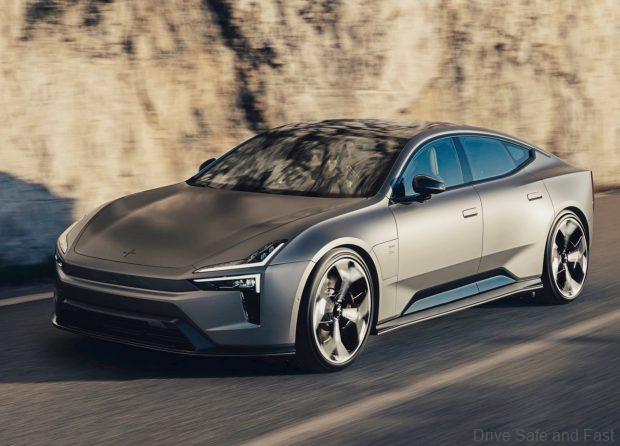
For the Sweden-based automaker, which is majority-owned by China’s Geely Holdings, the regulatory block raises a critical question: Is the US ban the final nail in the coffin for the financially struggling Polestar brand?
A Devastating Blow to US Manufacturing and the Polestar 3
The enforcement of the Connected Vehicles Rule effectively prohibits Polestar from retailing vehicles in the United States, a catastrophic reality that even applies to cars built on American soil. This puts a massive question mark over the future of the Polestar 3, the brand’s only U.S.-manufactured model.
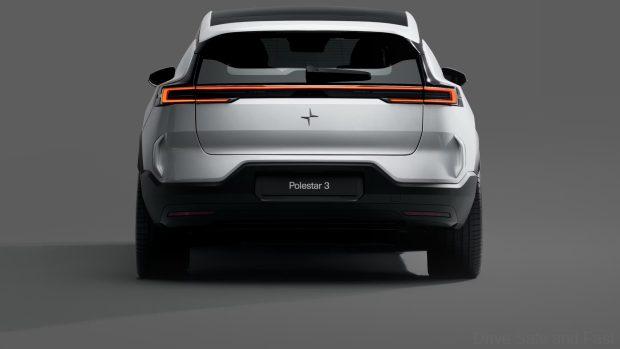
Co-founder Volvo Cars had previously announced plans to consolidate all production of the Polestar 3 at its Ridgeville, South Carolina plant rather than splitting manufacturing with Chengdu, China. With the sales ban locked in for the 2027 model year, Polestar stated it would not appeal the denial, though it will continue selling existing inventory of the Polestar 3 and Polestar 4 while honoring its existing local service network.
Financial Woes and the Forced Pivot to Europe
Even prior to the regulatory ban, Polestar had been locked in a severe financial downward spiral. The brand has continuously struggled to turn a profit, requiring repeated capital injections from Geely and Chairman Li Shufu to stay afloat. Sluggish sales and a cratering share price even forced the automaker to execute a reverse stock split last year just to maintain its Nasdaq listing.
Faced with a hostile US market, Polestar CEO Michael Lohscheller announced an aggressive pivot toward the European continent as its primary growth engine, alongside plans to manufacture the upcoming Polestar 7 locally in Europe. The brand’s sales distribution heavily reflects this regional dynamic; a staggering 78% of Polestar’s first-quarter sales came from Europe, compared to a meager 6% from the United States.
A Tale of Two Geely Brands: Polestar’s Slump vs. Zeekr’s Surge
Polestar’s painful retreat from North America stands in stark contrast to the explosive trajectory of Zeekr, another premium EV entity operating under the massive Geely Holding umbrella. While both brands share access to Geely’s advanced Sustainable Experience Architecture (SEA) platform, their market executions and commercial fortunes have diverged completely.
While Polestar has been held back by sluggish consumer demand, corporate restructuring, and heavy reliance on legacy Volvo production footprints, Zeekr has positioned itself as an agile, high-growth tech disruptor. Zeekr has capitalized on rapid product rollouts and strong volume deliveries in mainland China and developing right-hand-drive markets across Southeast Asia.

