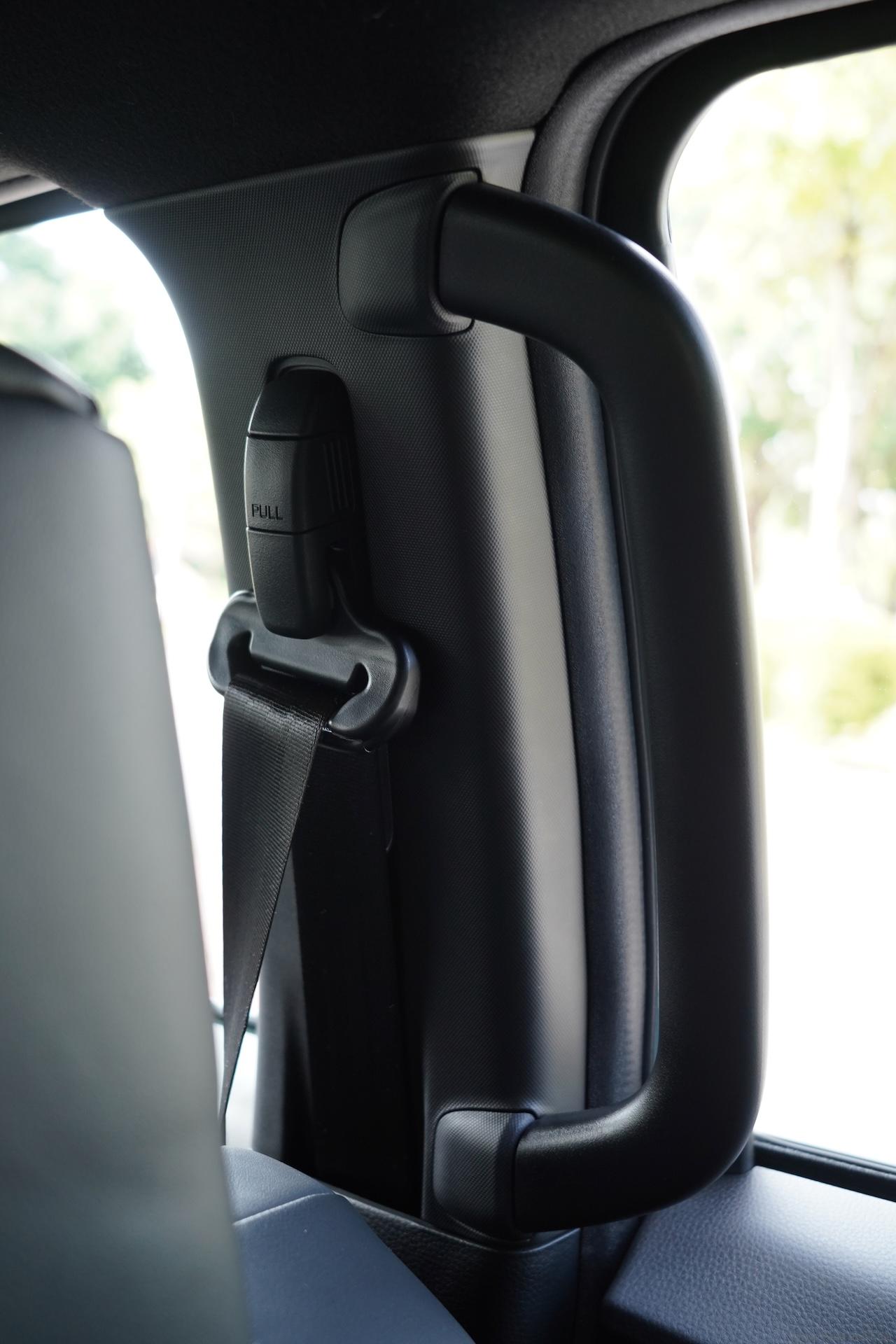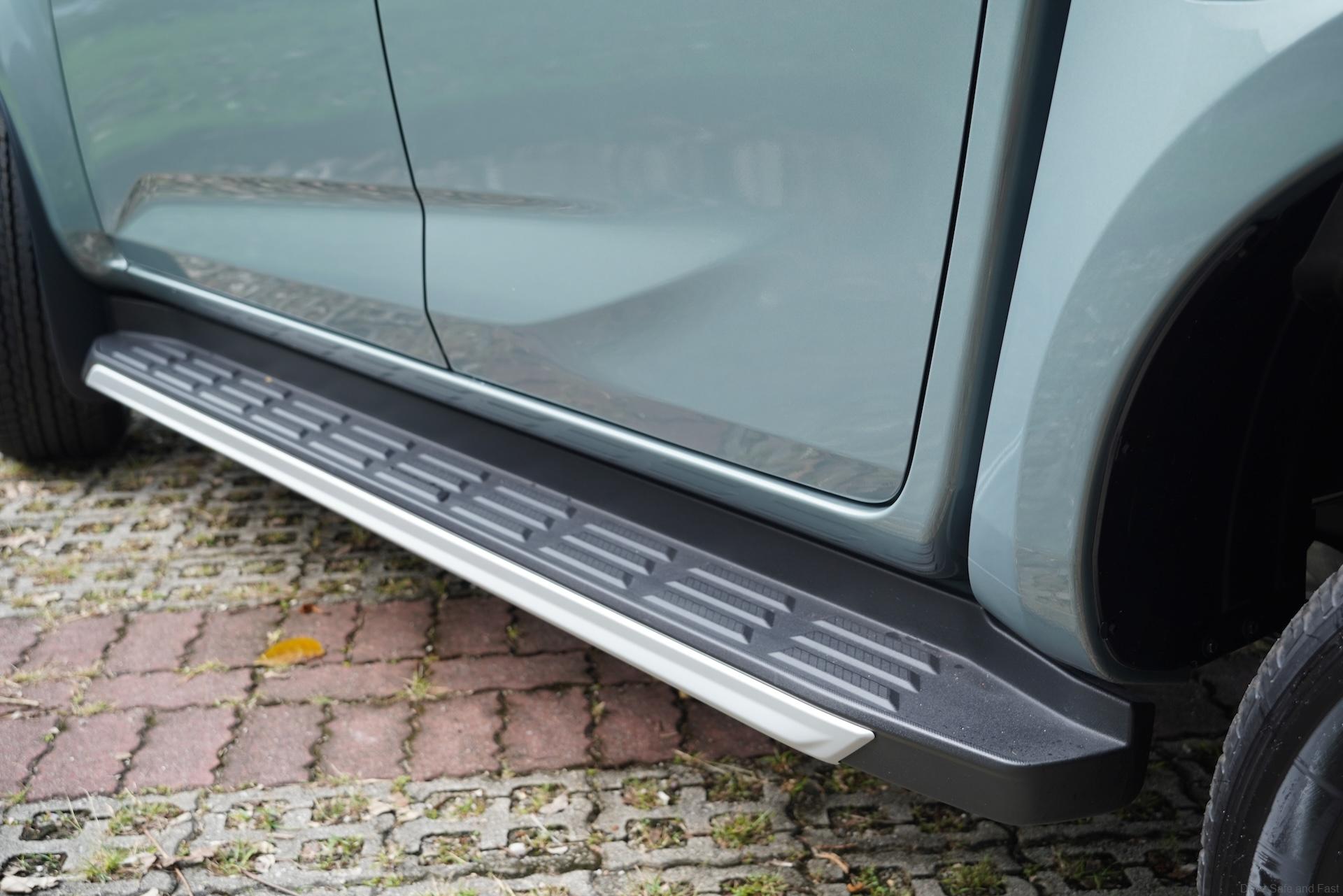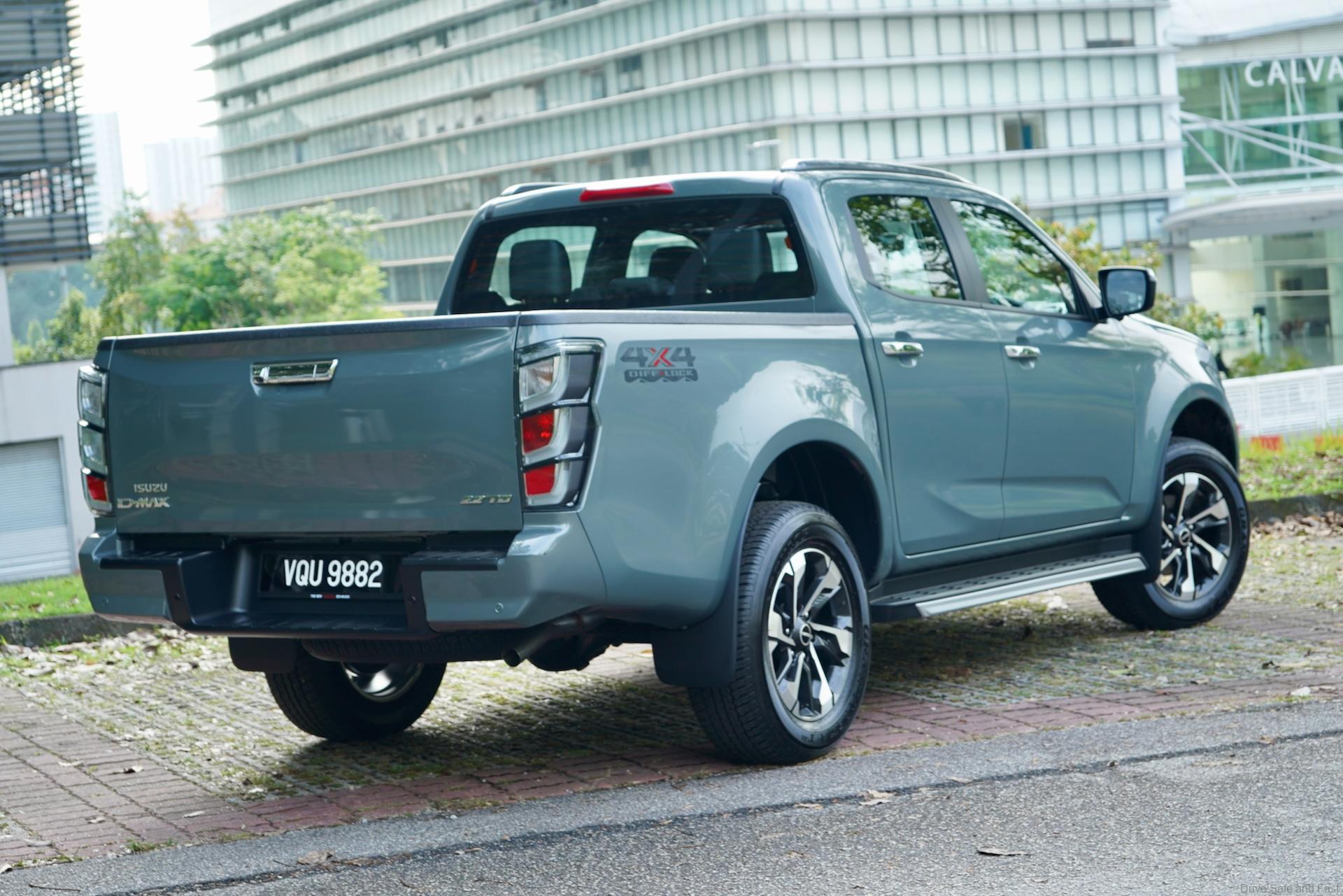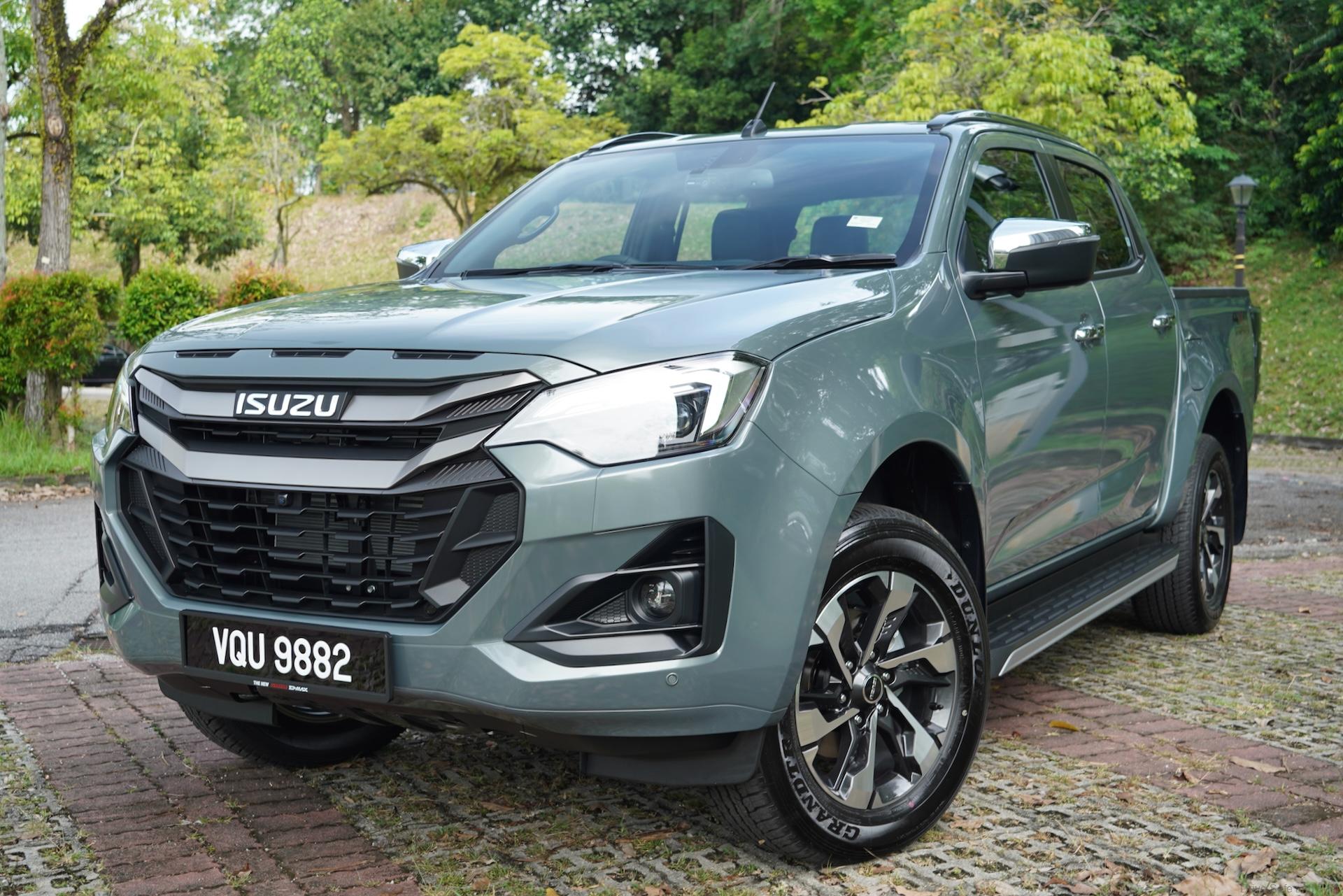


The Isuzu D-Max 2.2L is far more efficient, refined, and powerful than the outgoing 1.9L.
It’s not everyday you get a new engine variant. In fact, when it comes to Japanese pick-up trucks, you’d be lucky to see a new engine block being introduced in the space of a decade. Well, that appears to be what’s happened with the Isuzu D-Max. It was just around 2020 when we saw the new 1.9L turbocharged four cylinder model get introduced to our market to replace the aging 2.5L. The thinking at the time was that customers found the differentiation between that older motor and the 3.0L to be too slim. A more economical and high tech engine was required, thus the smaller displacement 1.9L ‘Blue Power’ was born.
Now though, there’s a 2.2L ‘MaxForce’ engine in the latest iteration and it completely replaces the 1.9L and one might be asking… why? Well it’s not that there was anything particularly wrong with the outgoing engine. In fact, it only feels like a quick transition because Malaysia got the 1.9L halfway through its 10-year+ production run, as the 1.9L was available in Thailand since 2015. The 2.2L is Isuzu’s way of preparing for upcoming emissions regulations changes in a key market, Australia. The new 2.2L is able to meet upcoming Euro 6e and stops Isuzu from getting hit by a fine under the New Vehicle Efficiency Standard (NVES) guideline.
It’s also worth noting that it’s not just the engine being replaced in this model but the gearbox too. We now have an 8-speed conventional automatic, which in tandem with the new engine, brings the base D-Max fuel consumption down by about 10% while also dropping CO2 emissions. Customers weren’t complaining about the towing capabilities of the 1.9L in most cases, but at 3,000kg, it was a little on the lower side. The new powertrain brings the D-Max’s towing limit up to 3,500kg to match the 3.0L’s. This makes the new smaller engine a lot more compelling, to all but the most conservative buyers. As a reminder, Isuzu Malaysia still offers the 3.0L on its higher tier variants and STILL pairs that legendary engine to a simple and proven 6-speed conventional automatic. So if you’re absolutely dead set on maximum power and longevity, you still have that option open.
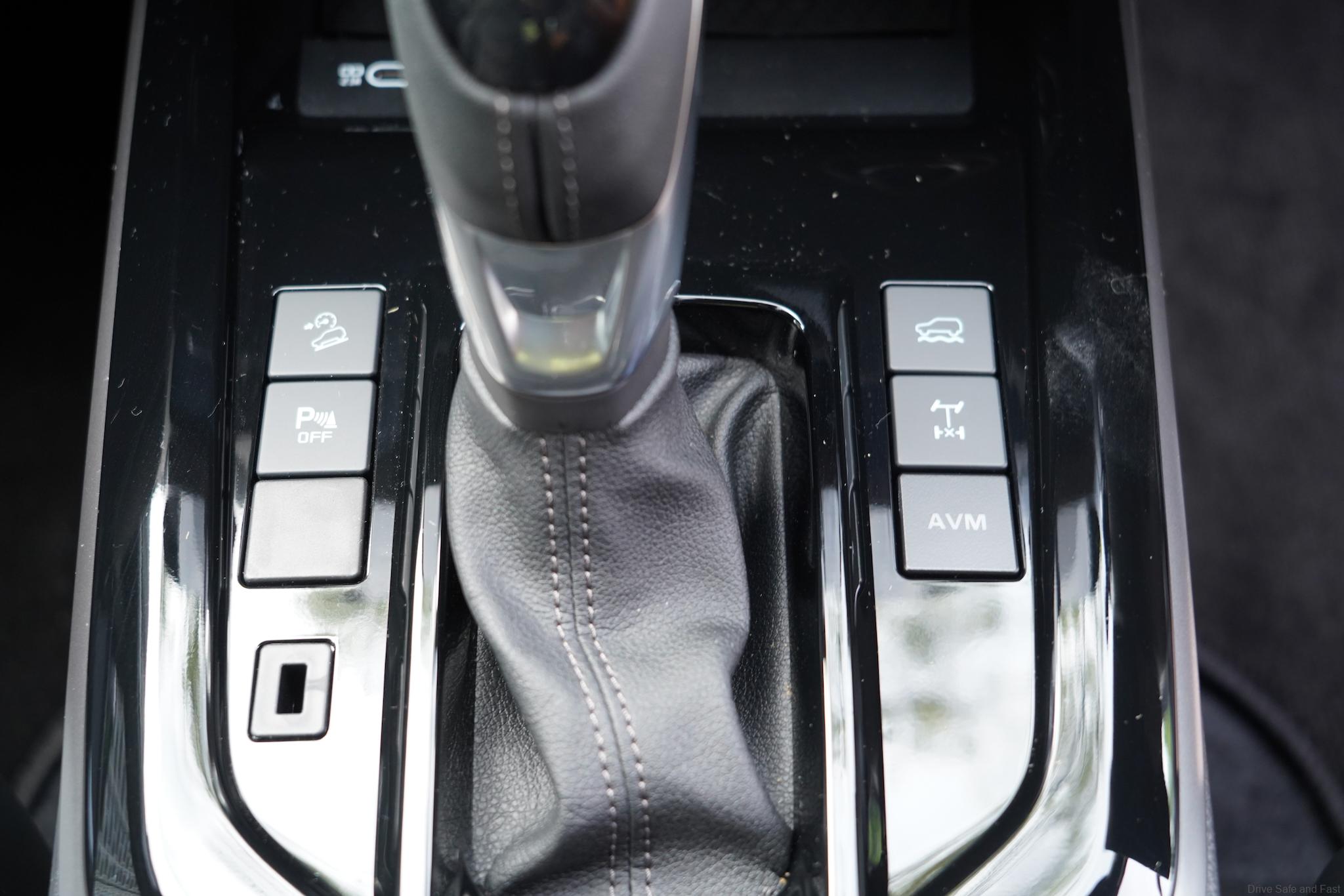
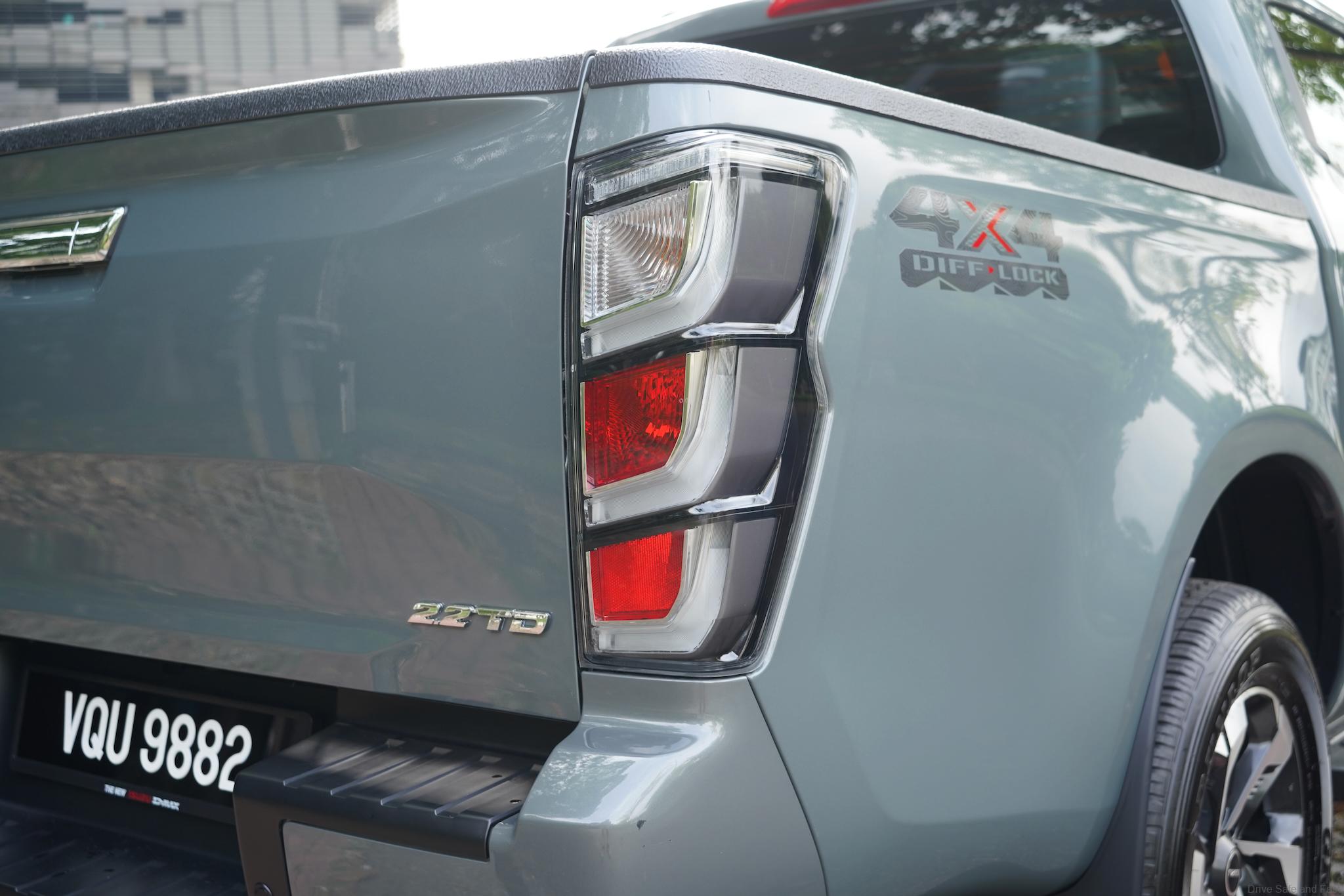
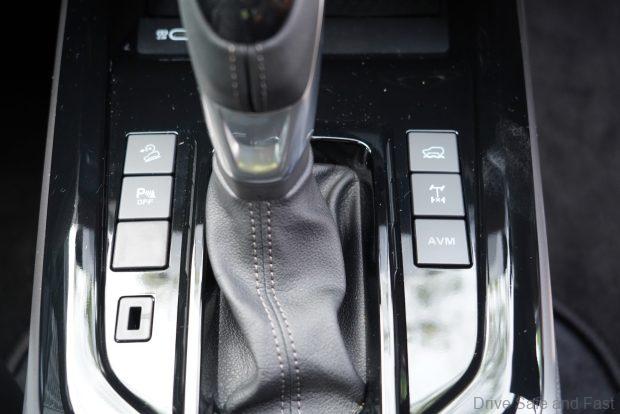
New in this update is a Rough Terrain Mode, which is mostly software controlling the traction control to better manage wheel slip on low friction surfaces. This time around all 4X4 variants get a rear differential lock as standard. And with close-to-class-leading 800mm of water wading,, the Isuzu D-Max 2.2L remains as off-road-ready as ever as long as you get it with a 4X4 set-up.
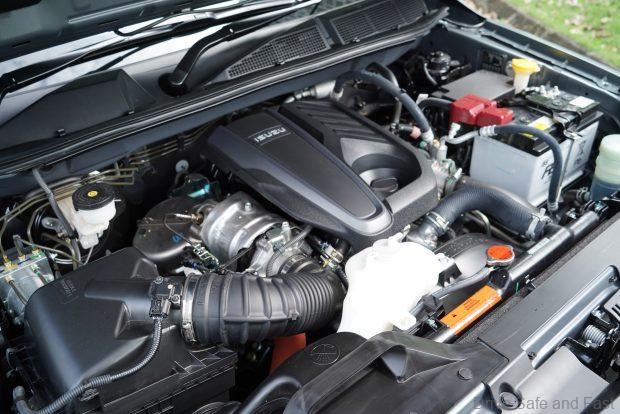
This new engine is actually a total redesign and not just a ‘bore and stroke’ of the outgoing 1.9L. The block is new, as are the cylinder head, the crankshaft, connecting rods, pistons and turbocharger. The output has indeed gone up (and you feel it at the lower end of the rev range). The figures are now 163PS and 400Nm of torque, representing an increase of 8% and 14% in output over a 16% increase in displacement. While it may not sound like great gains, it’s also worth noting that emissions are down by 21% and particulates are down by 99% while still retaining B20 diesel compatibility, which is important in these times and in this region.
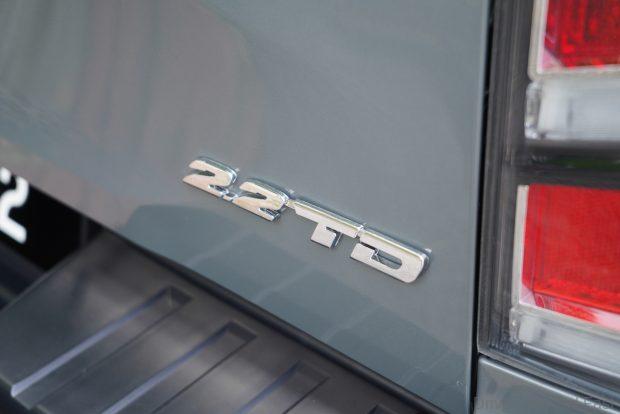
What’s the 2.2L like? Well, compared to the 1.9L, it’s entirely an improvement. The weaknesses of the smaller outgoing engine are all ironed out. There’s no sluggishness at all when taking off or in traffic, the new gearbox is smooth and nicely tuned, though it does shift quite frequently to keep the engine at a lower RPM. That being said, you don’t notice the shifts too much and overall NVH seems to have been improved by a notch. It’s actually a very convincing replacement to both the 1.9L AND the 3.0L. I didn’t get to fully load the vehicle up, but I can only imagine it struggles only when at the upper end of its towing limits.
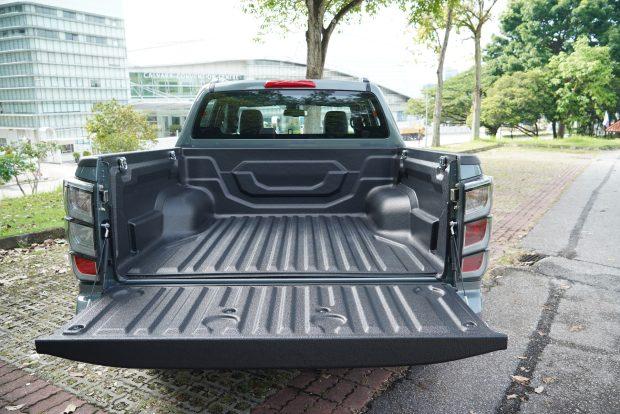
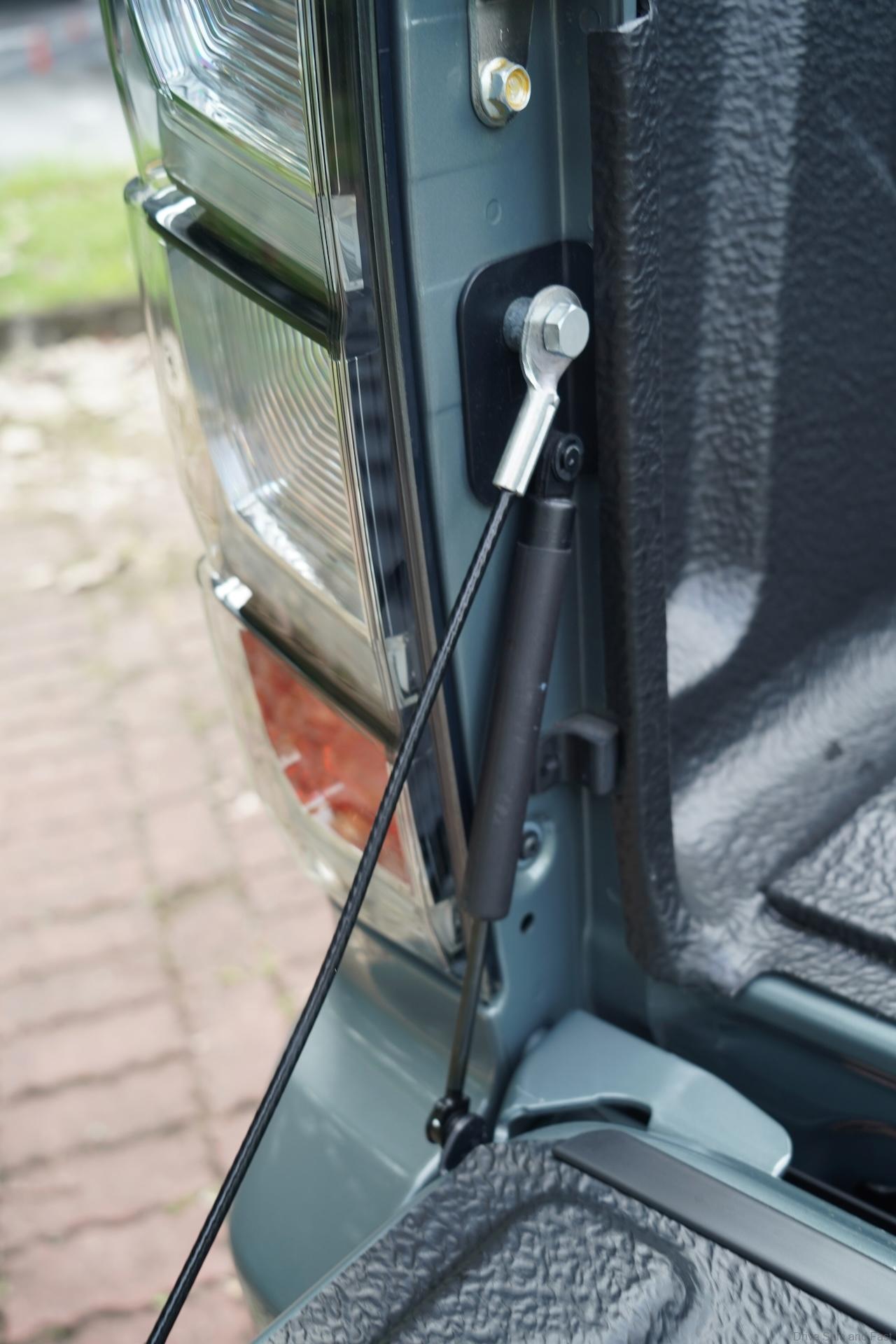
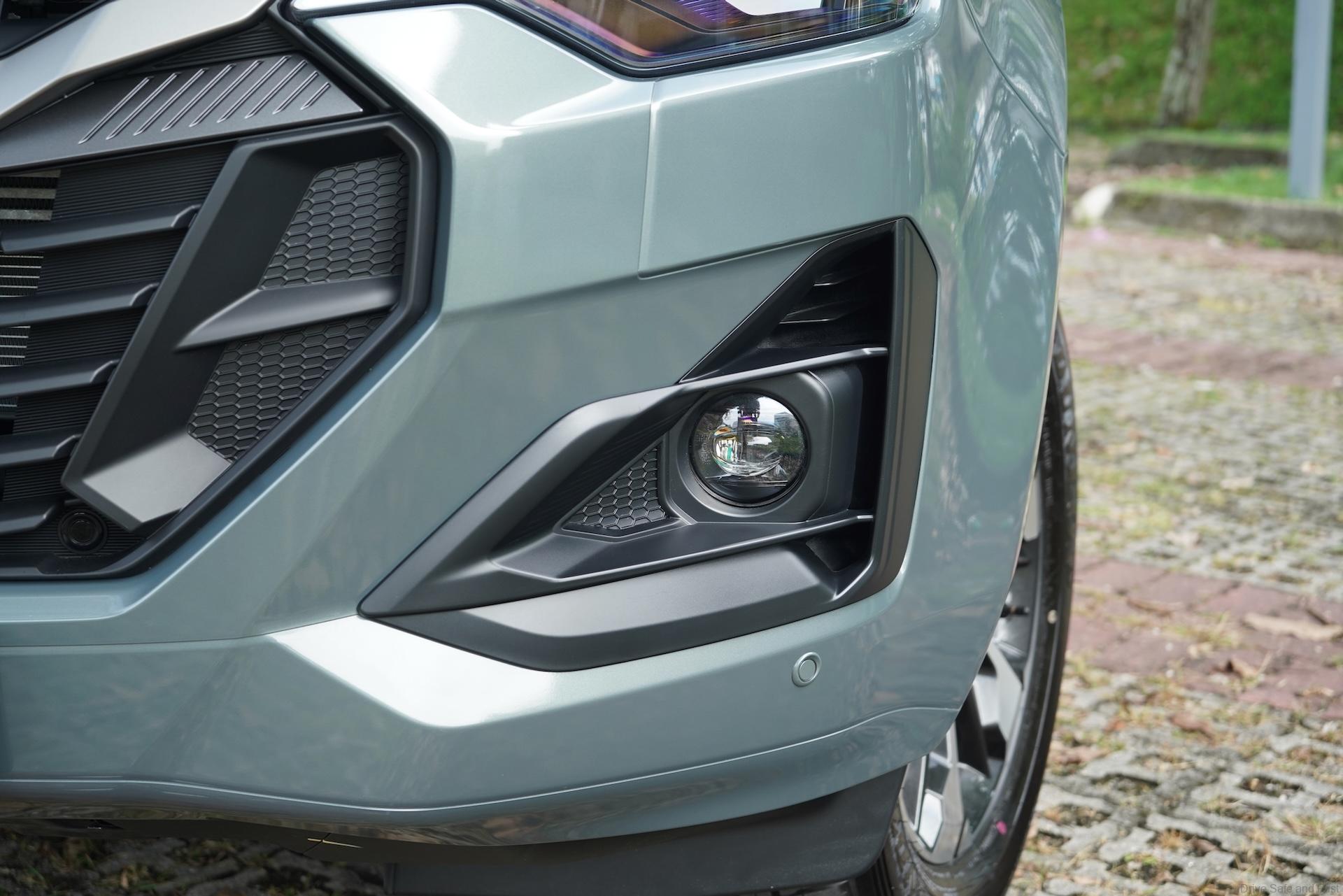
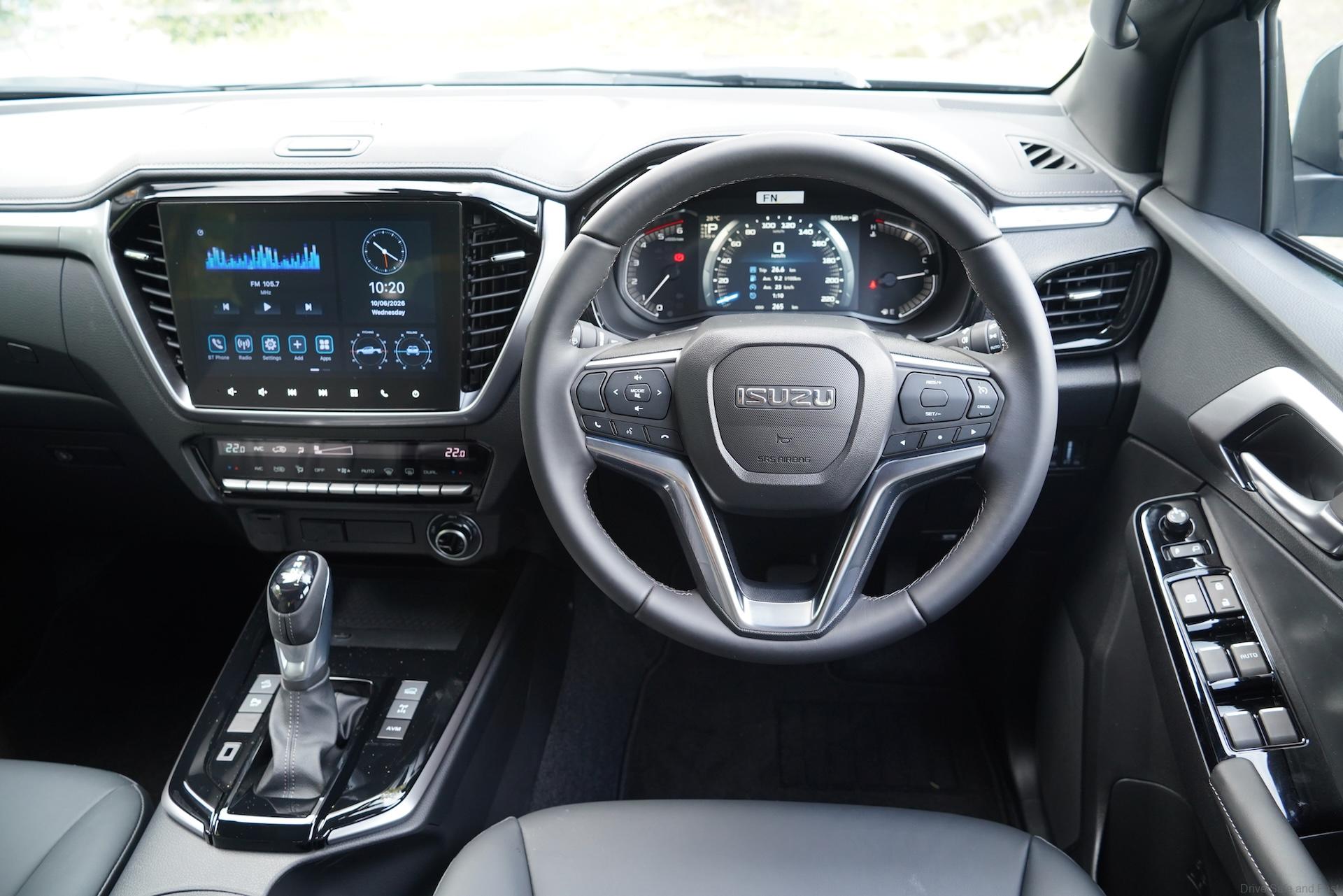
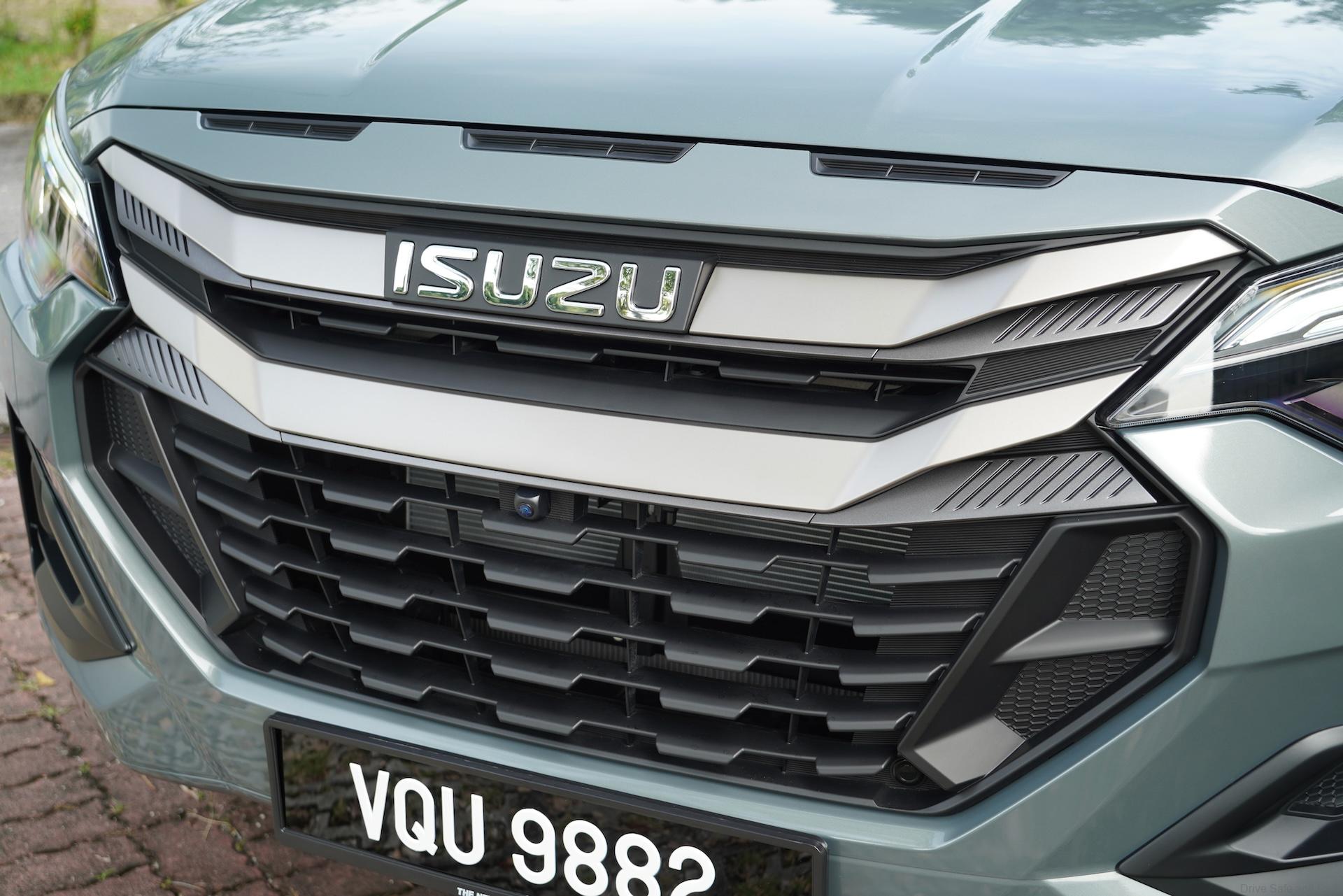
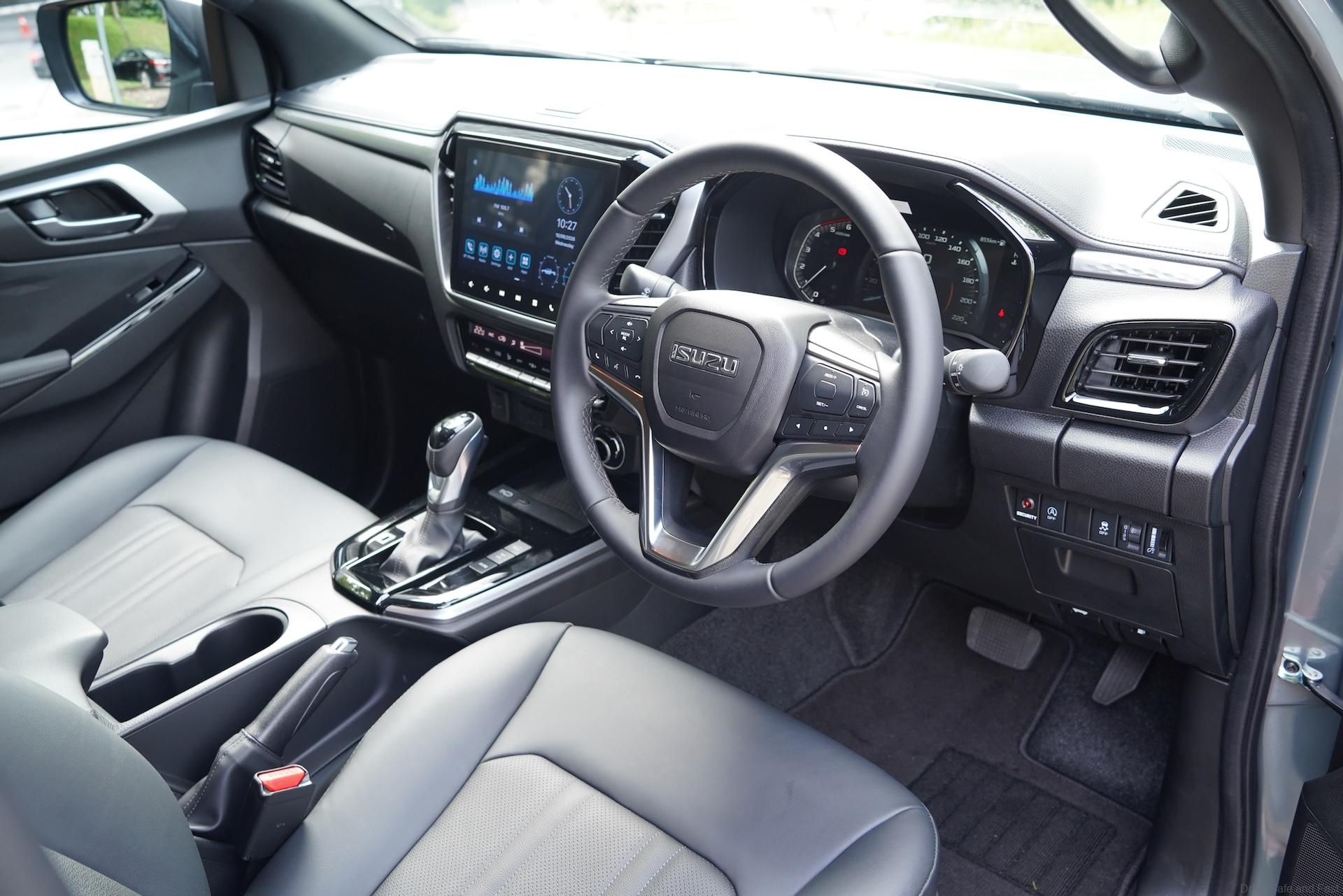
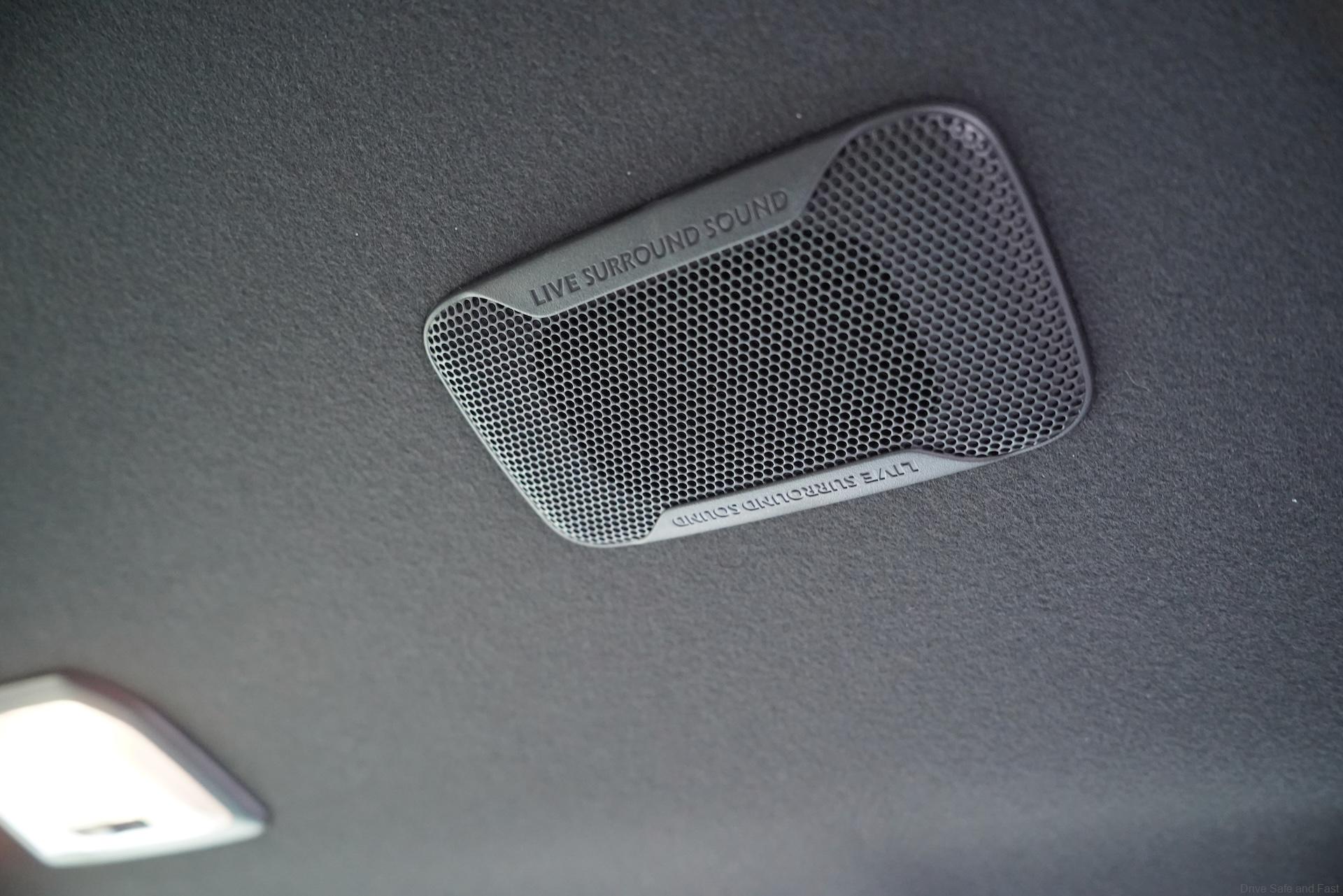
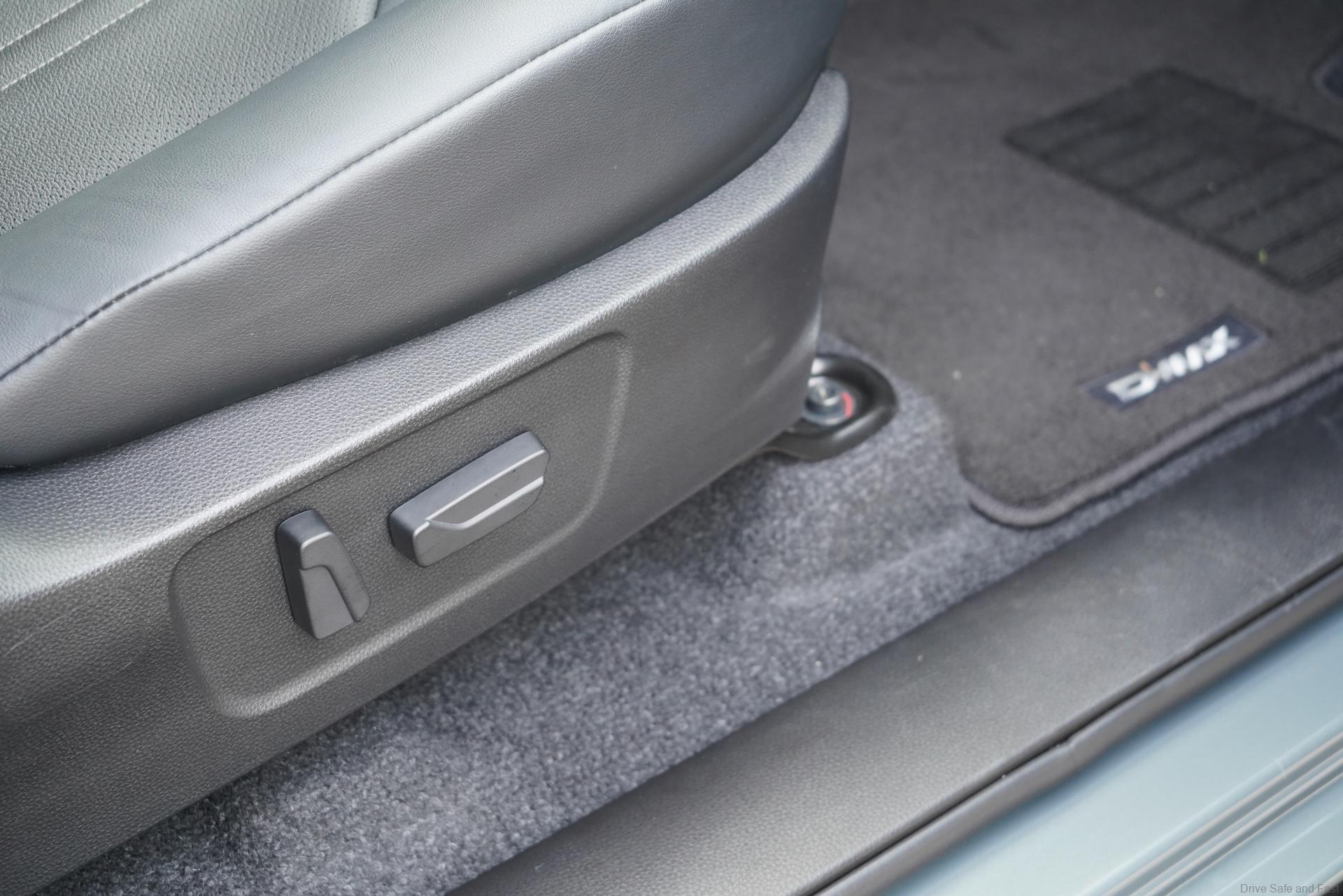
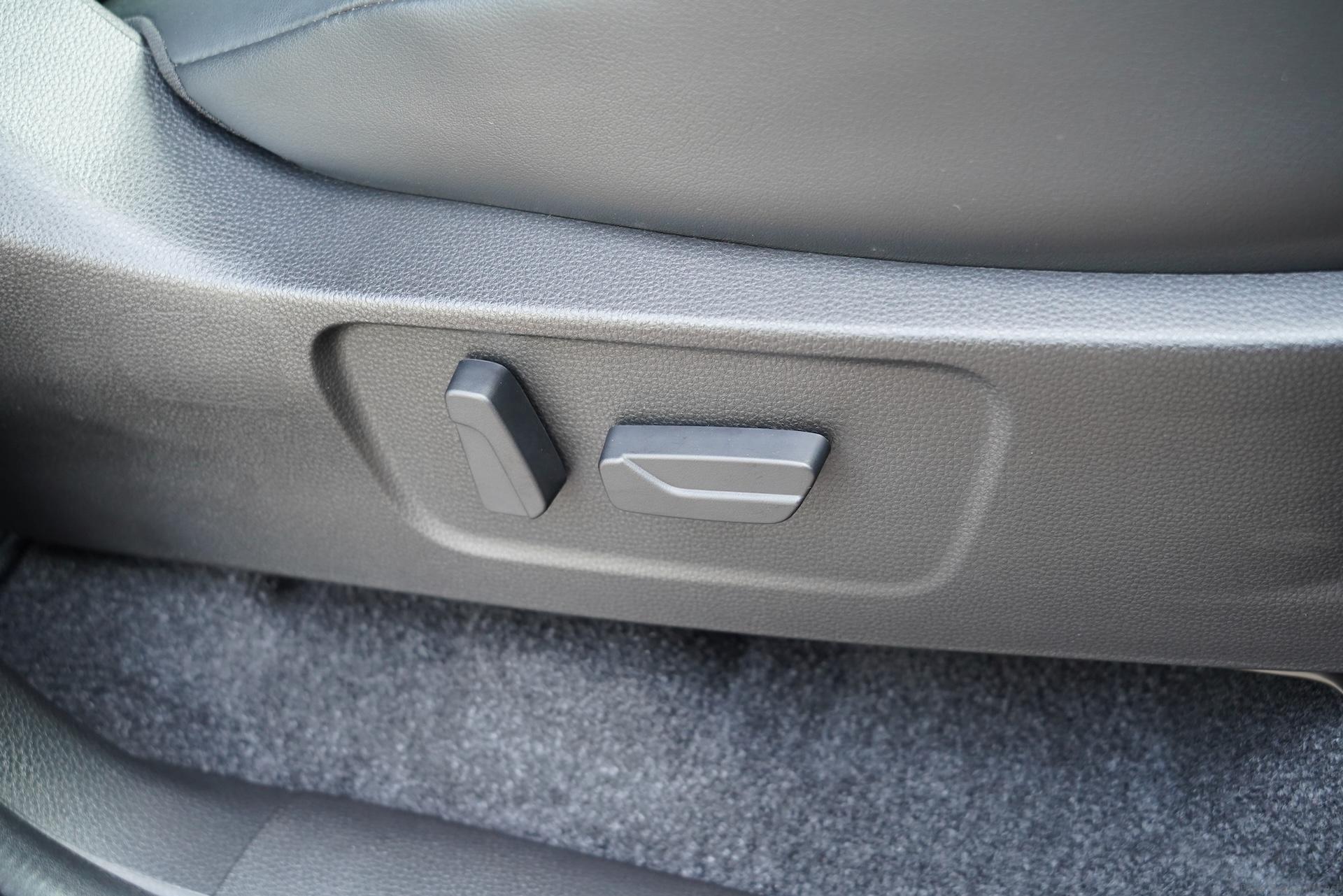
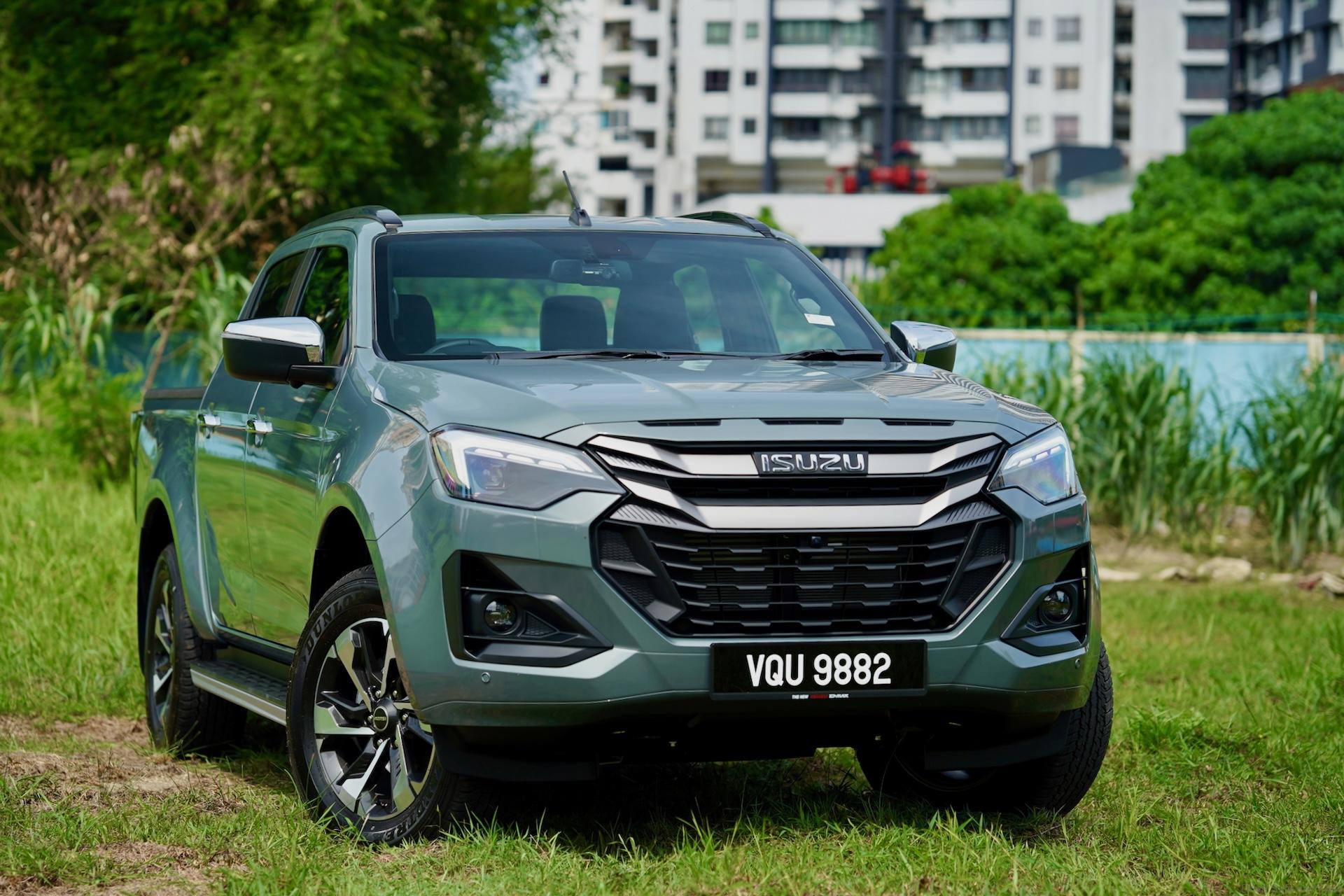
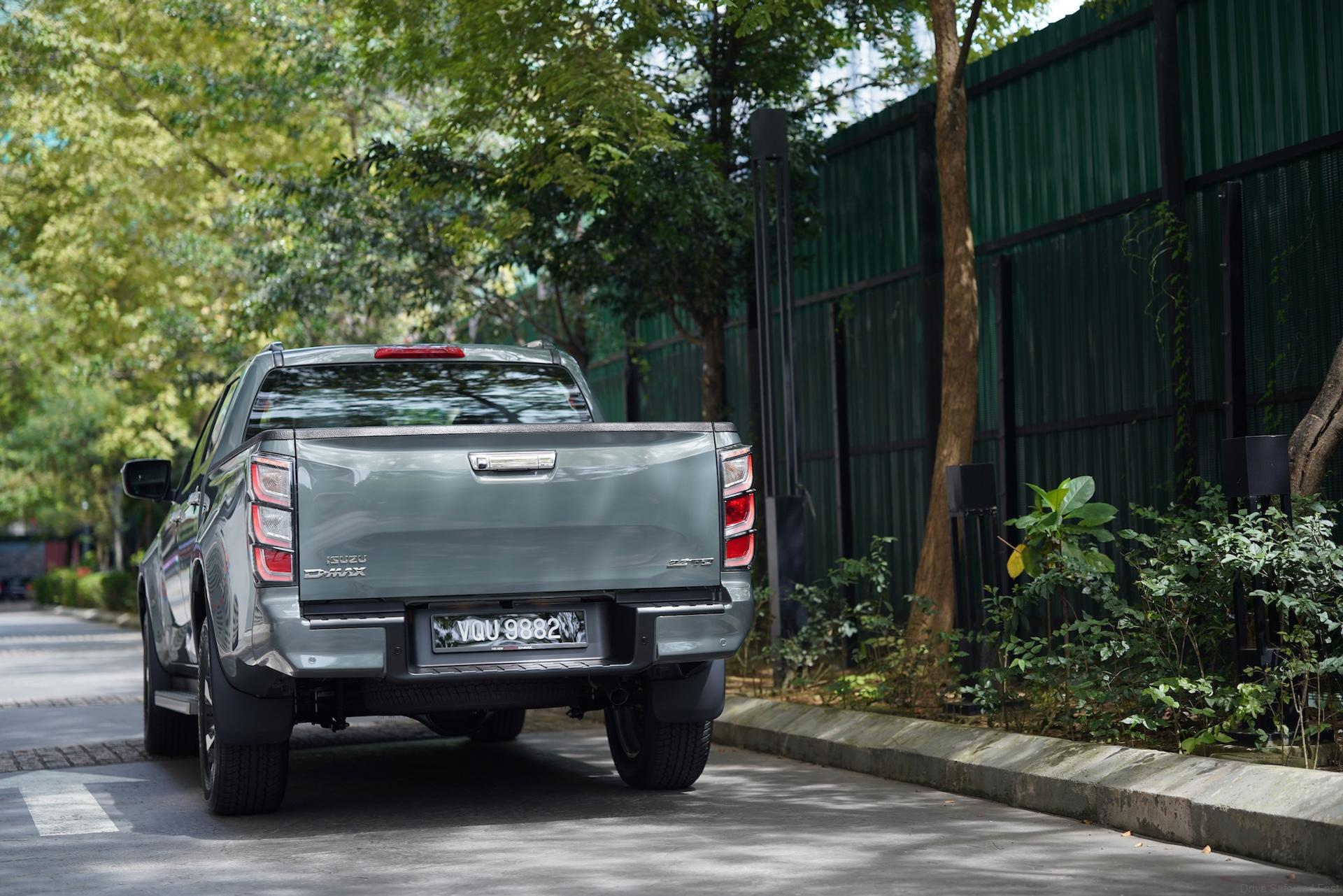
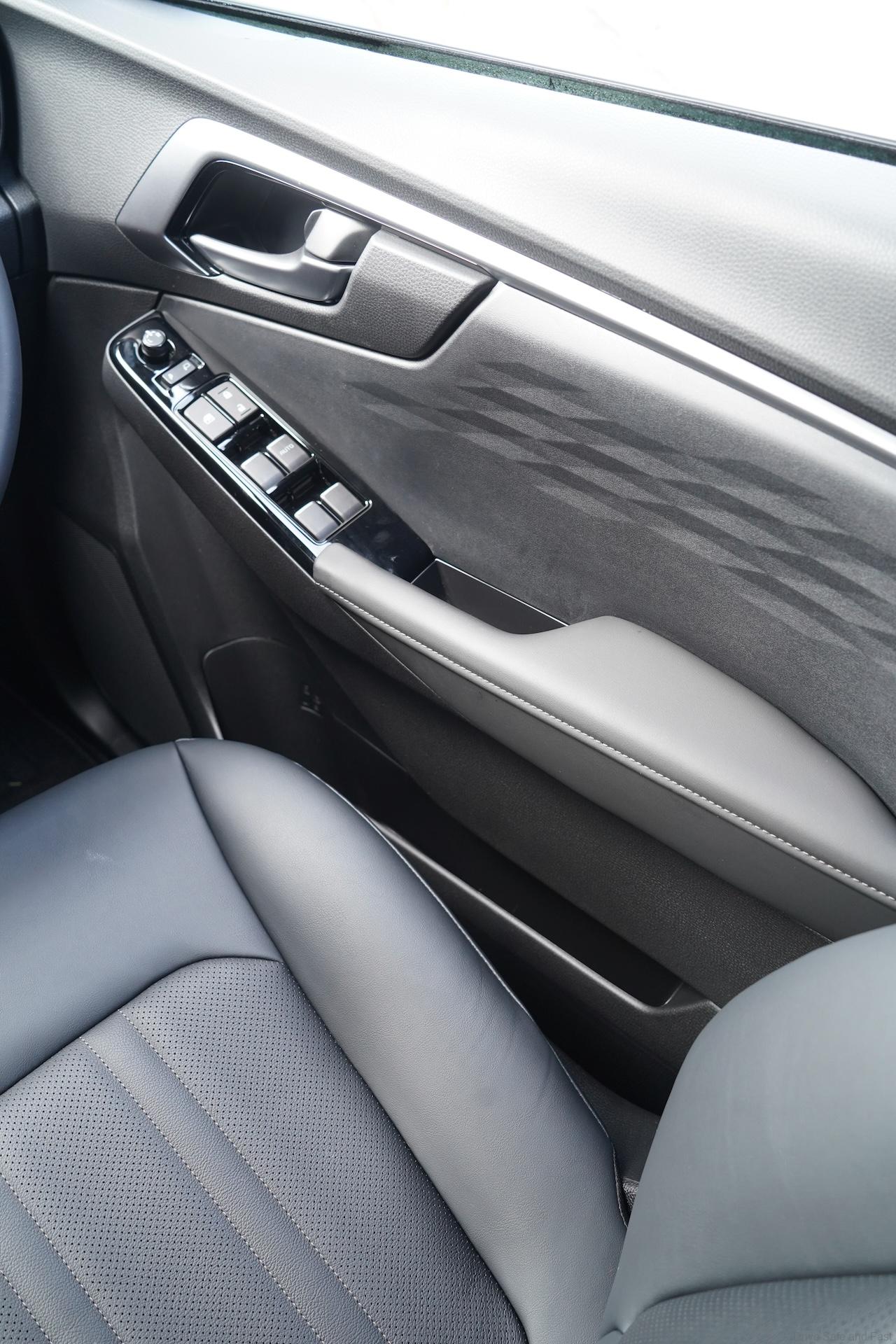
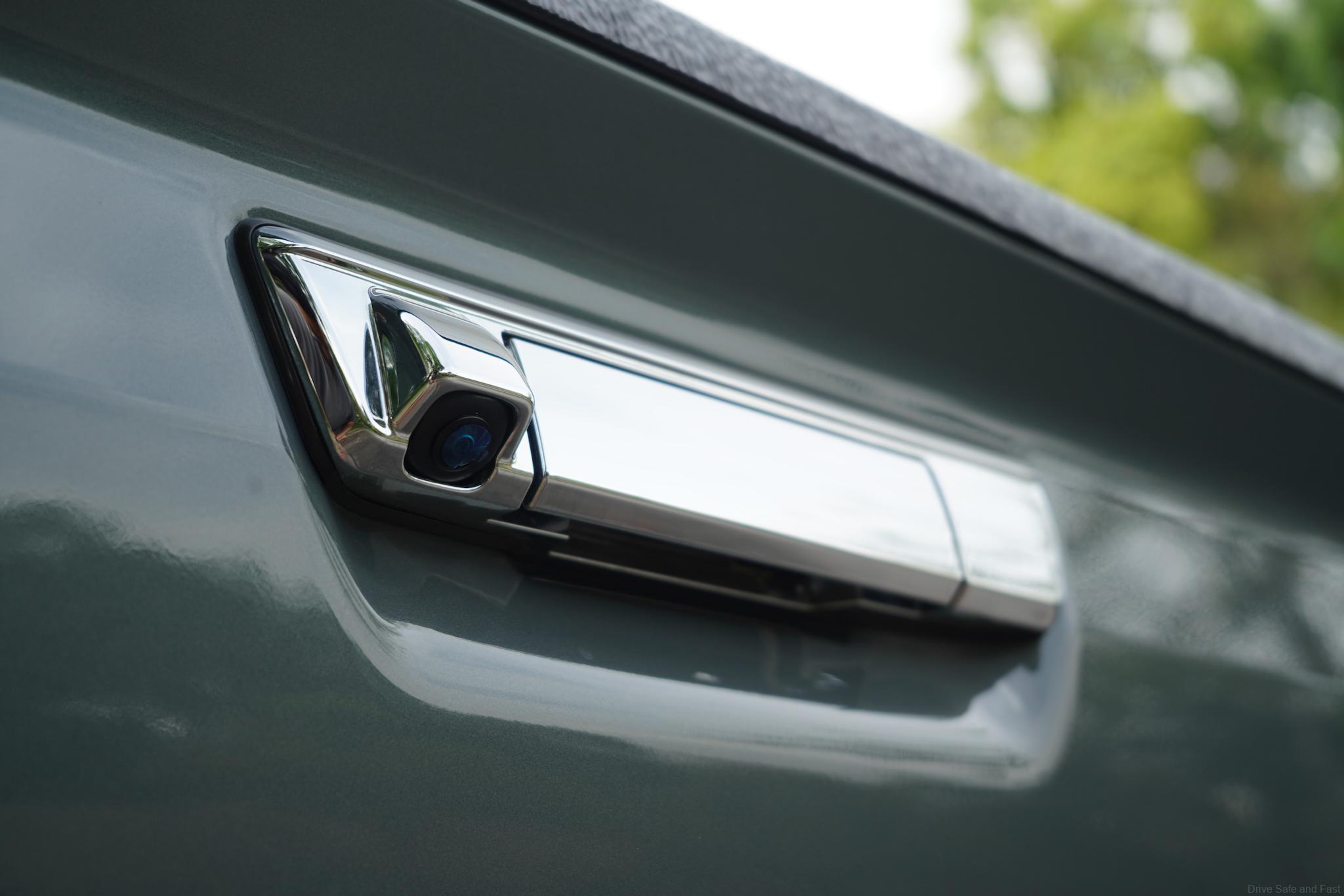
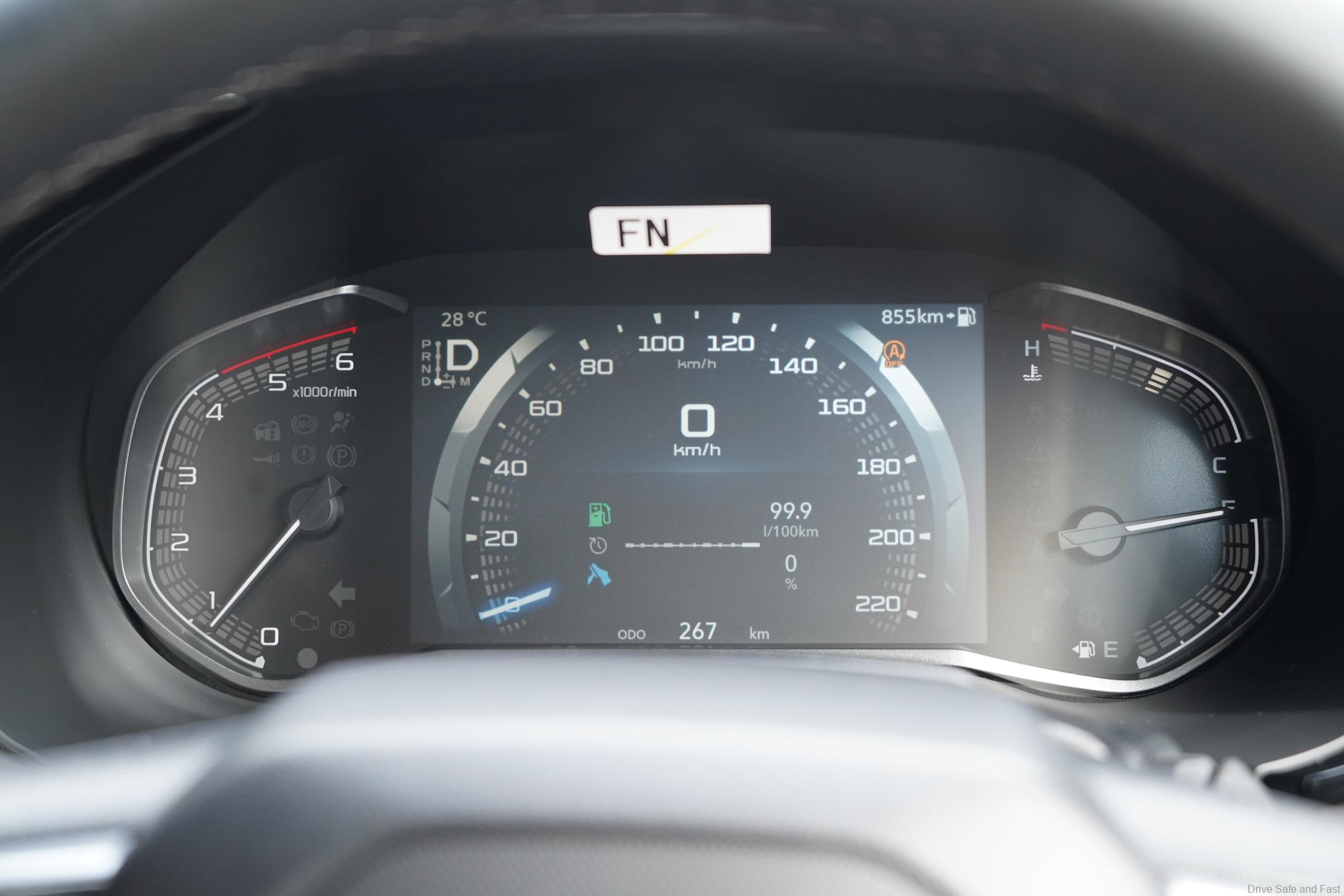
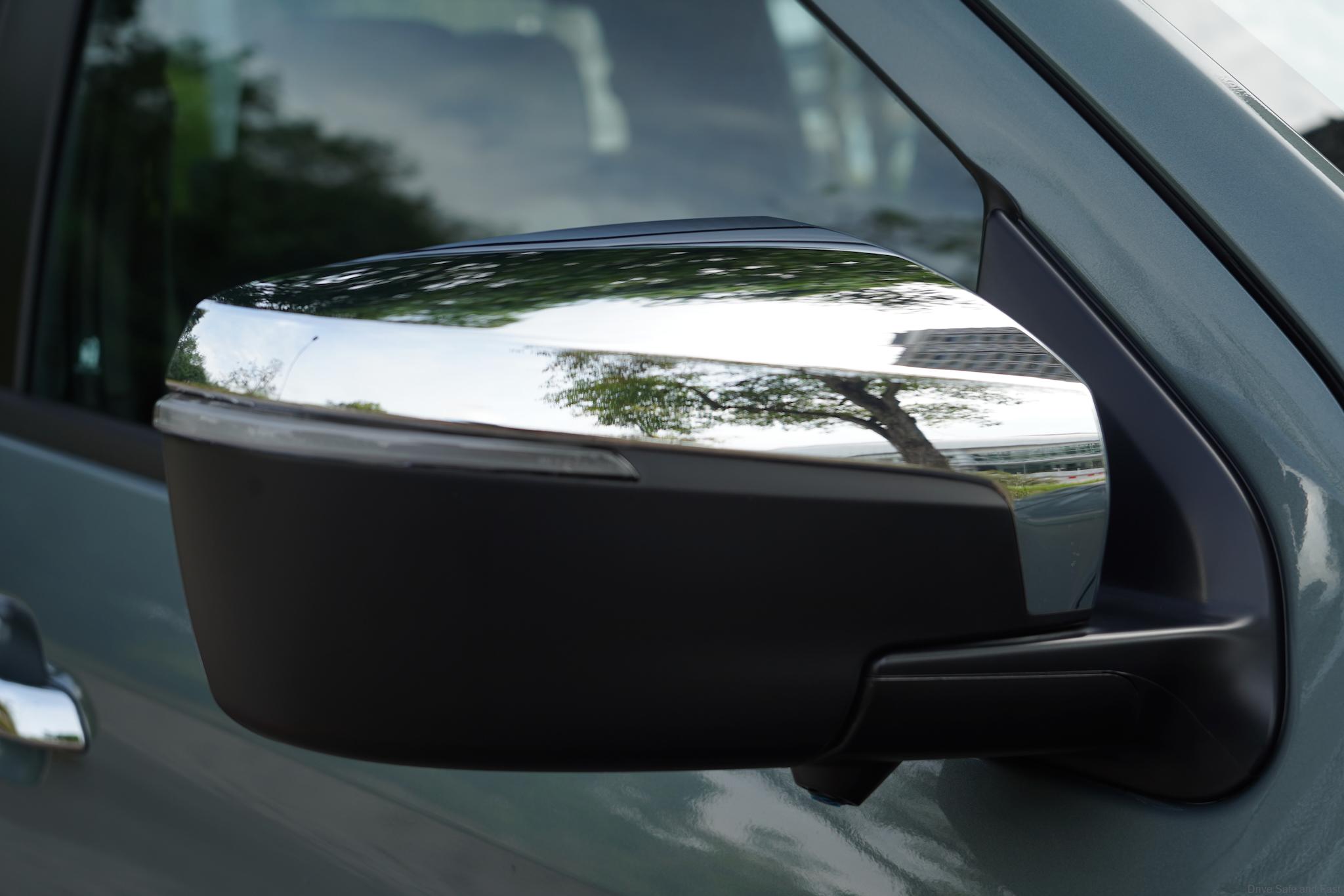
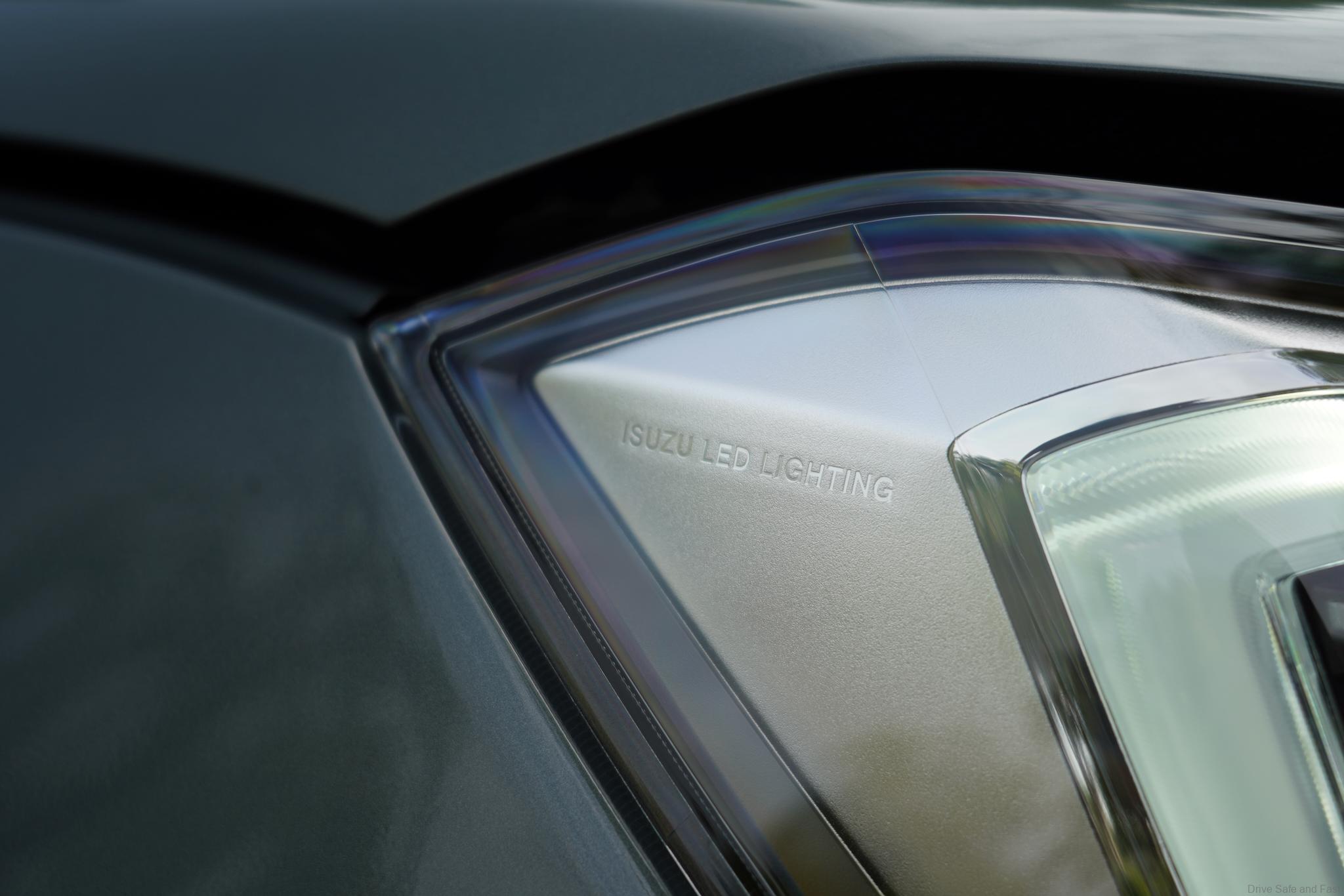
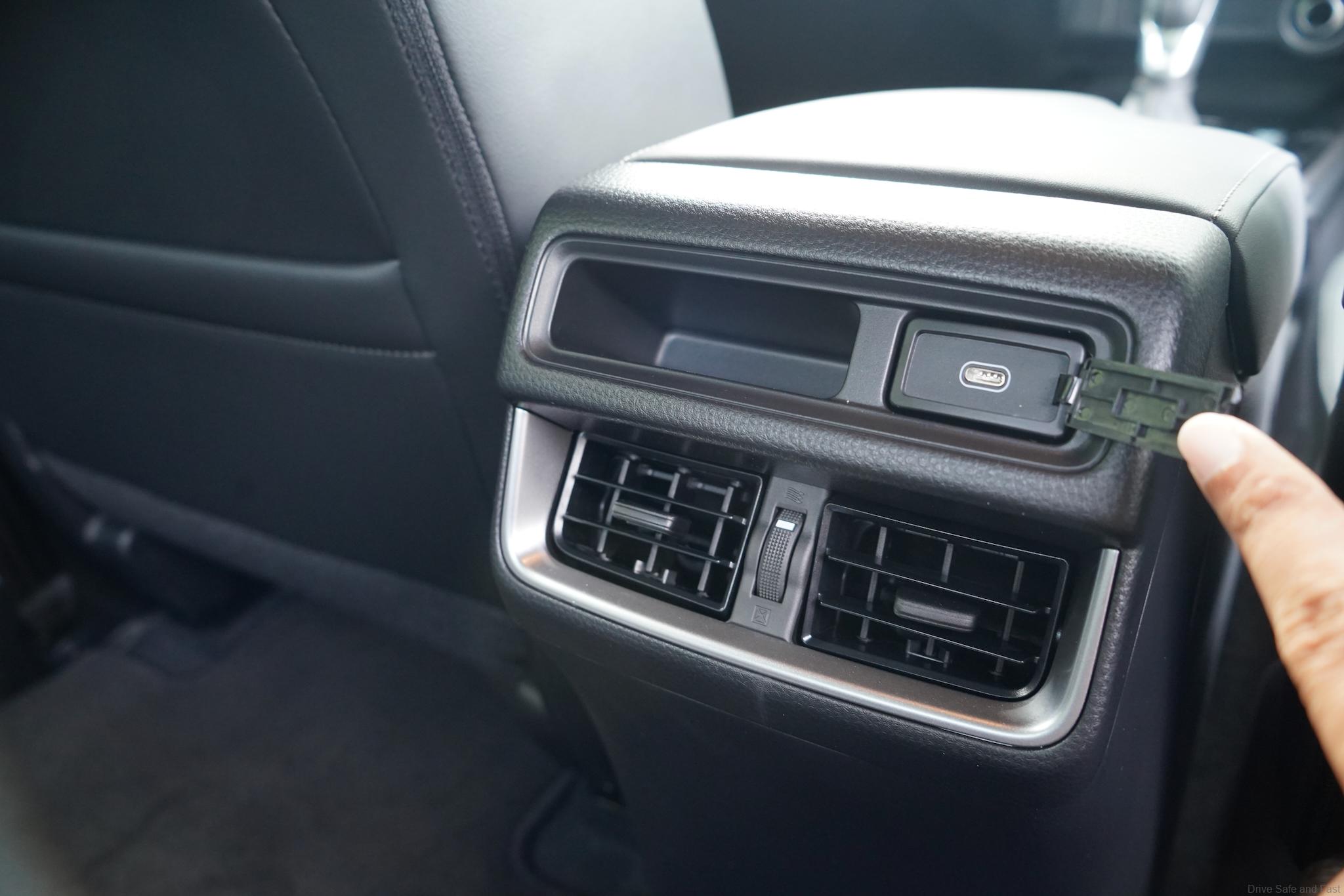
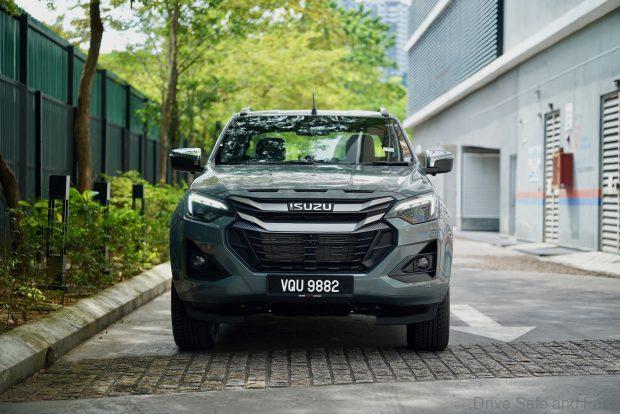
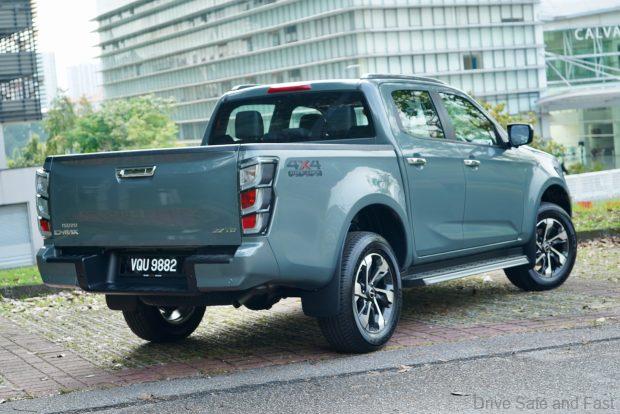
While the version we tested was a nicely equipped dual cab, the new 2.2L also brings with it a new single cab variant with an automatic gearbox. Across the board, the D-Max got a minor update with a new grille, new headlamps, new foglamps clusters and taillamps too. The useful Tailgate Assist function (a little torsion spring) is now standard across the line, making it easy to lift the tailgate one-handed. The Premium variant has a 10” infotainment unit with wireless Apple CarPlay and Android Auto, a 7” multi-info display, black combination leather upholstery with an 8-way power adjustment and lumbar support for the driver. You’ll also get a wireless charging pad, rear air vents, an 8-speaker set-up (with ceiling mounted speakers too).
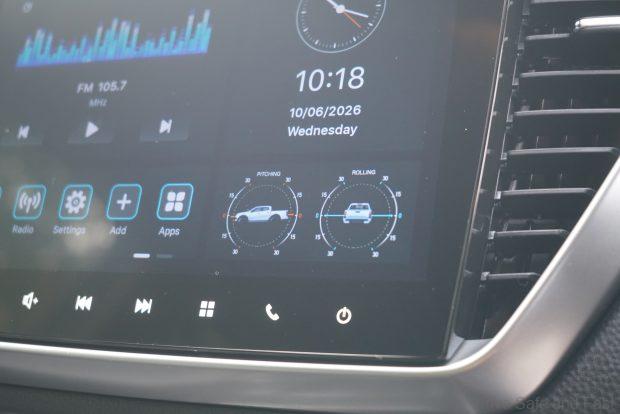
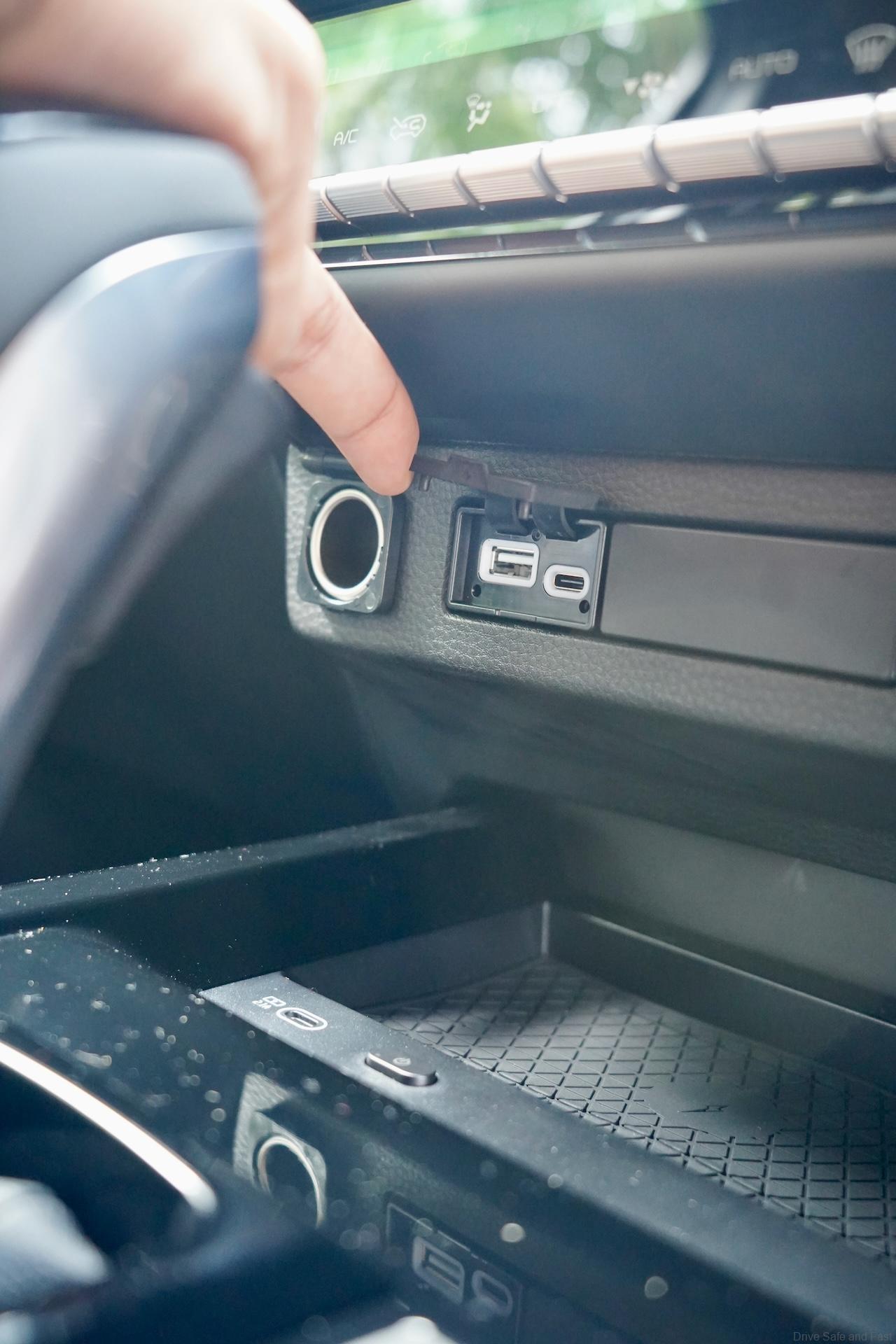
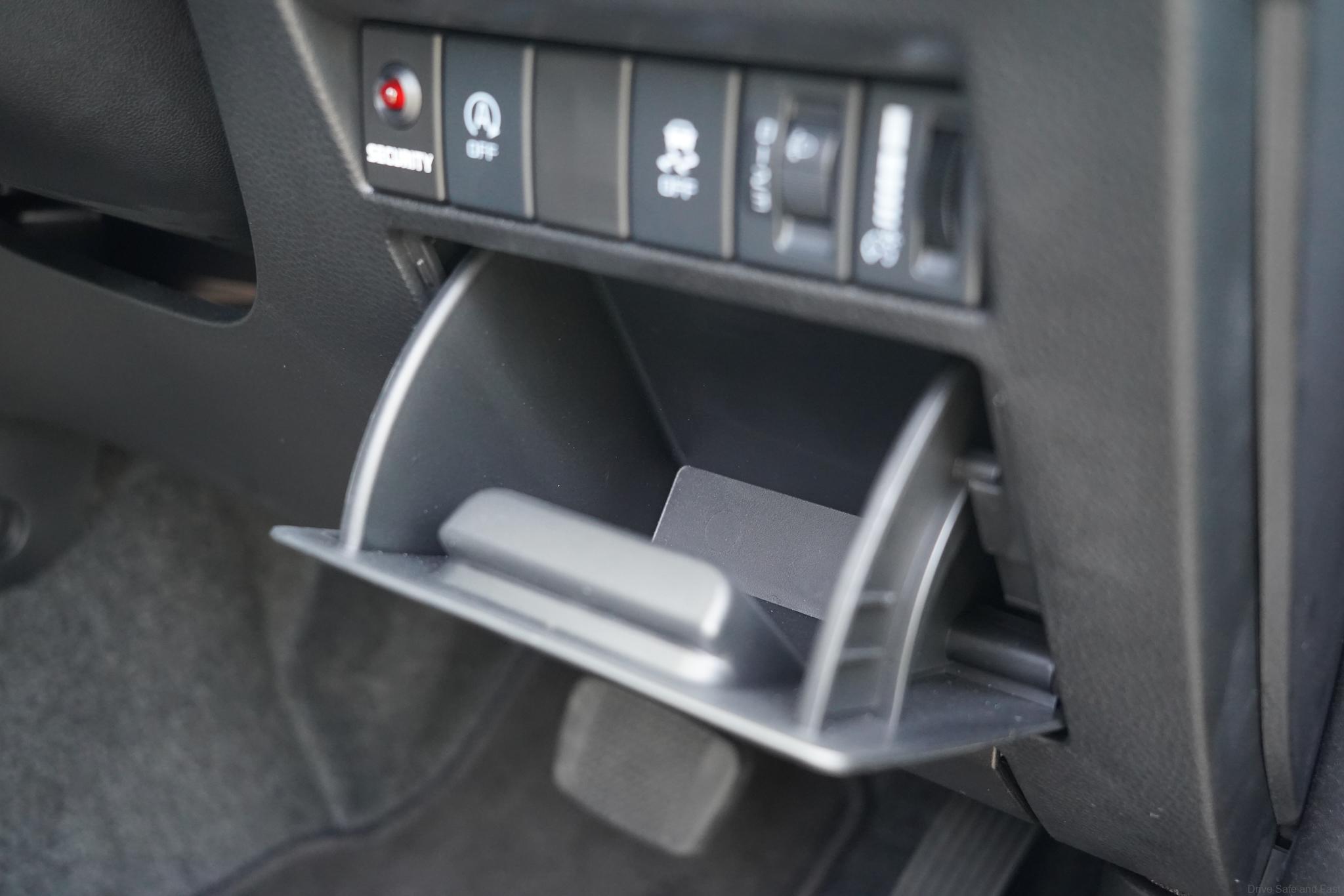
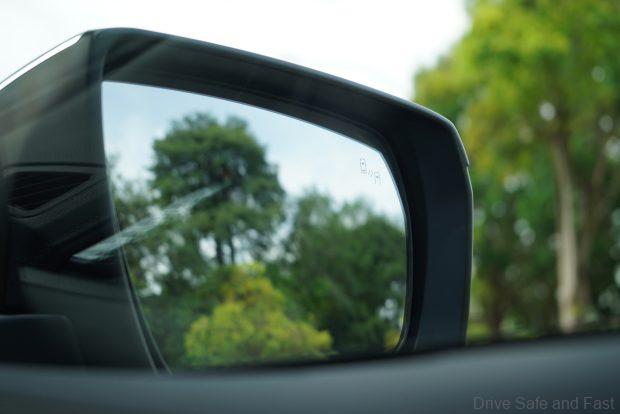
Unfortunately, some ADAS functions are reserved for the full-spec 3.0L X-Terrain model. On the 2.2L Premium, you still get some decent safety features such as a Blind Spot Monitor, Rear Cross Traffic Alert and six airbags. I also really like how they’ve filled the cabin with USB-C ports.
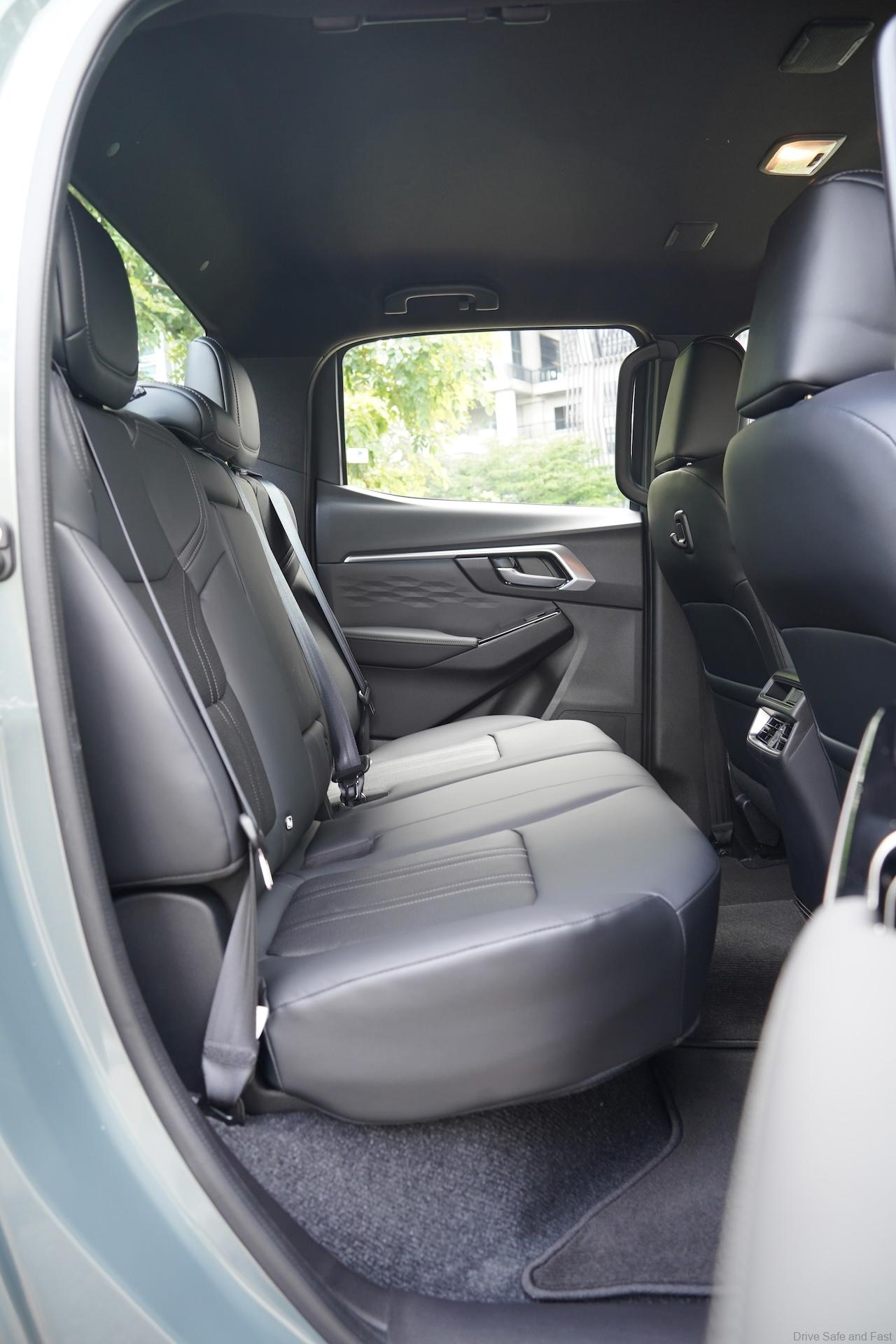
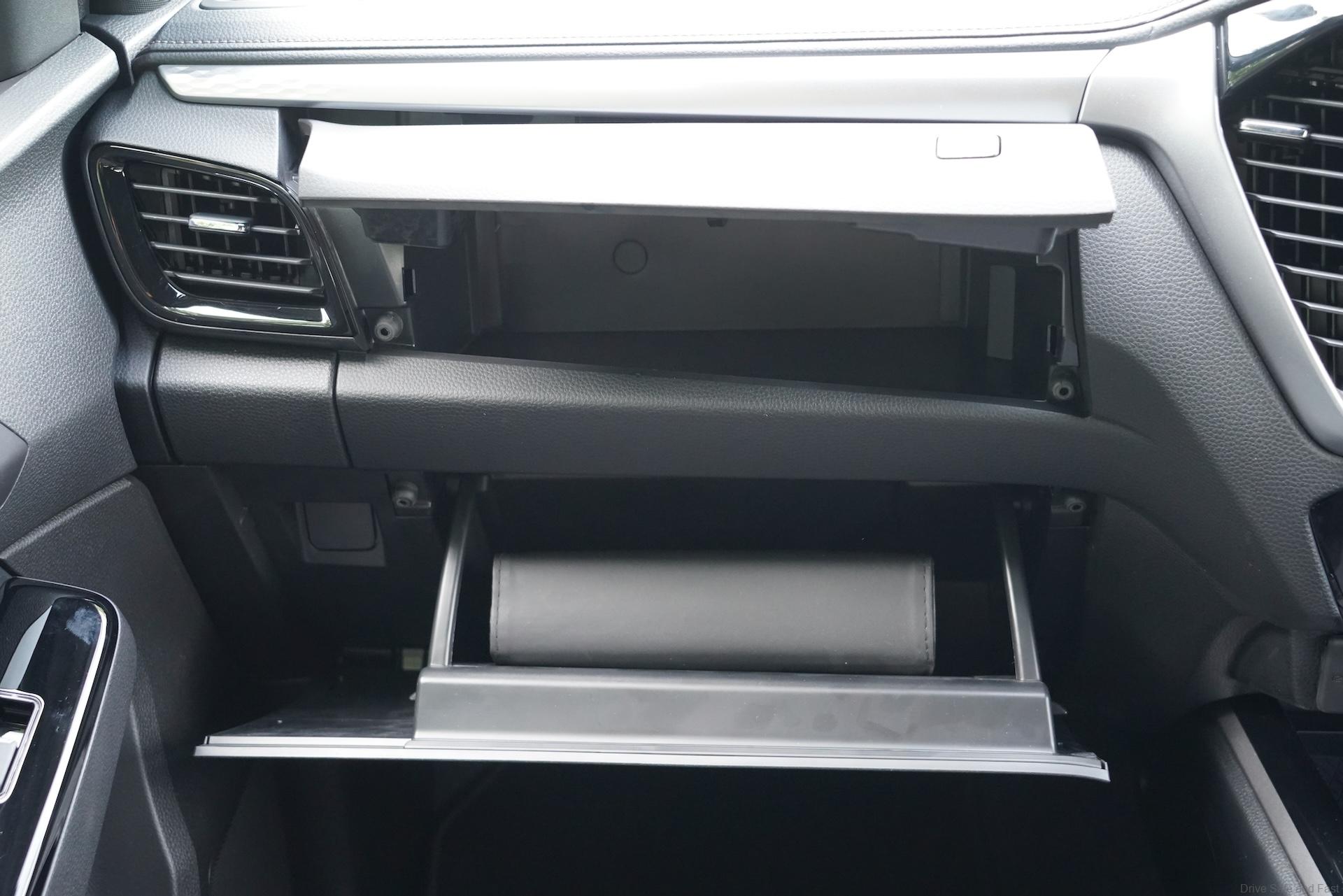
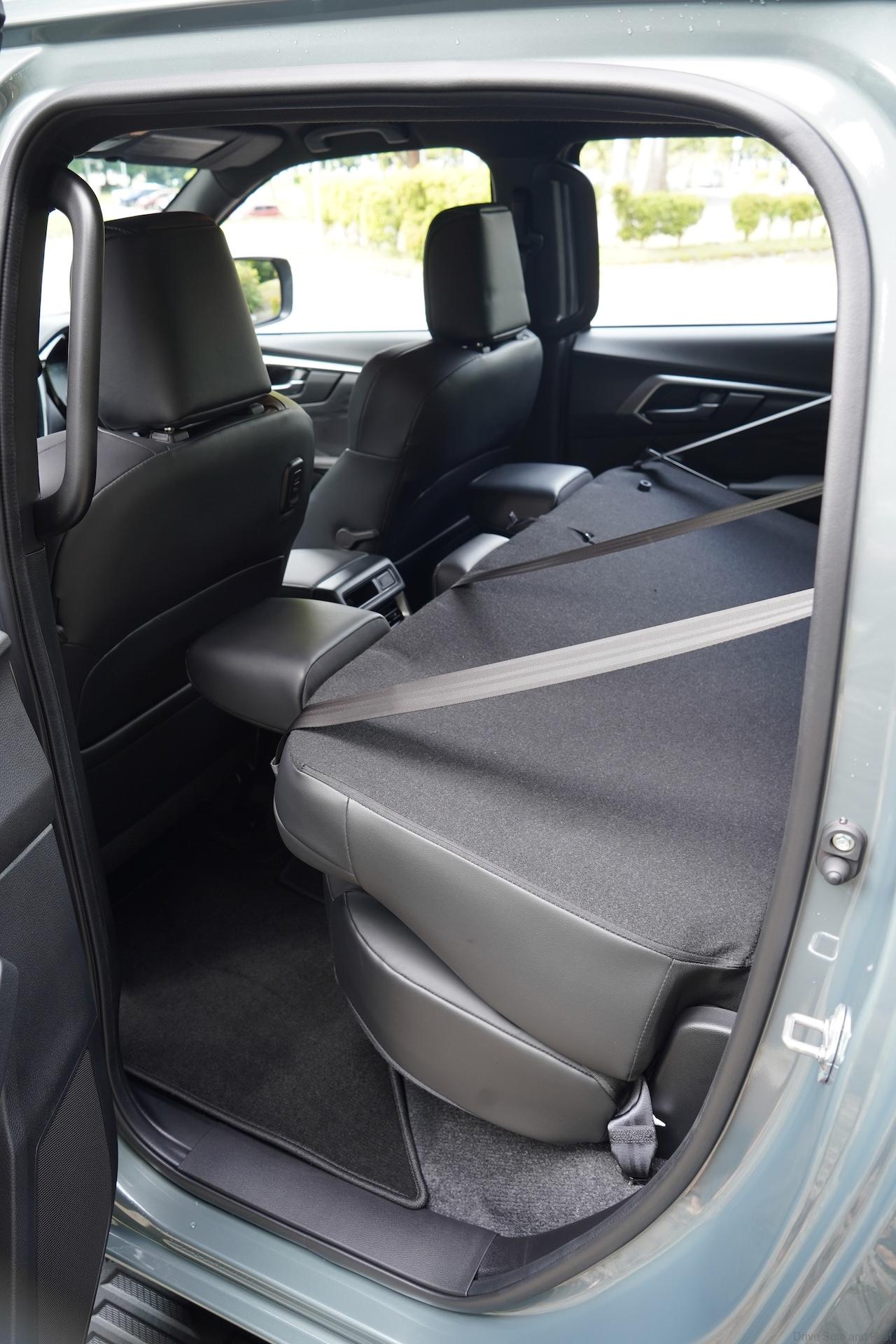
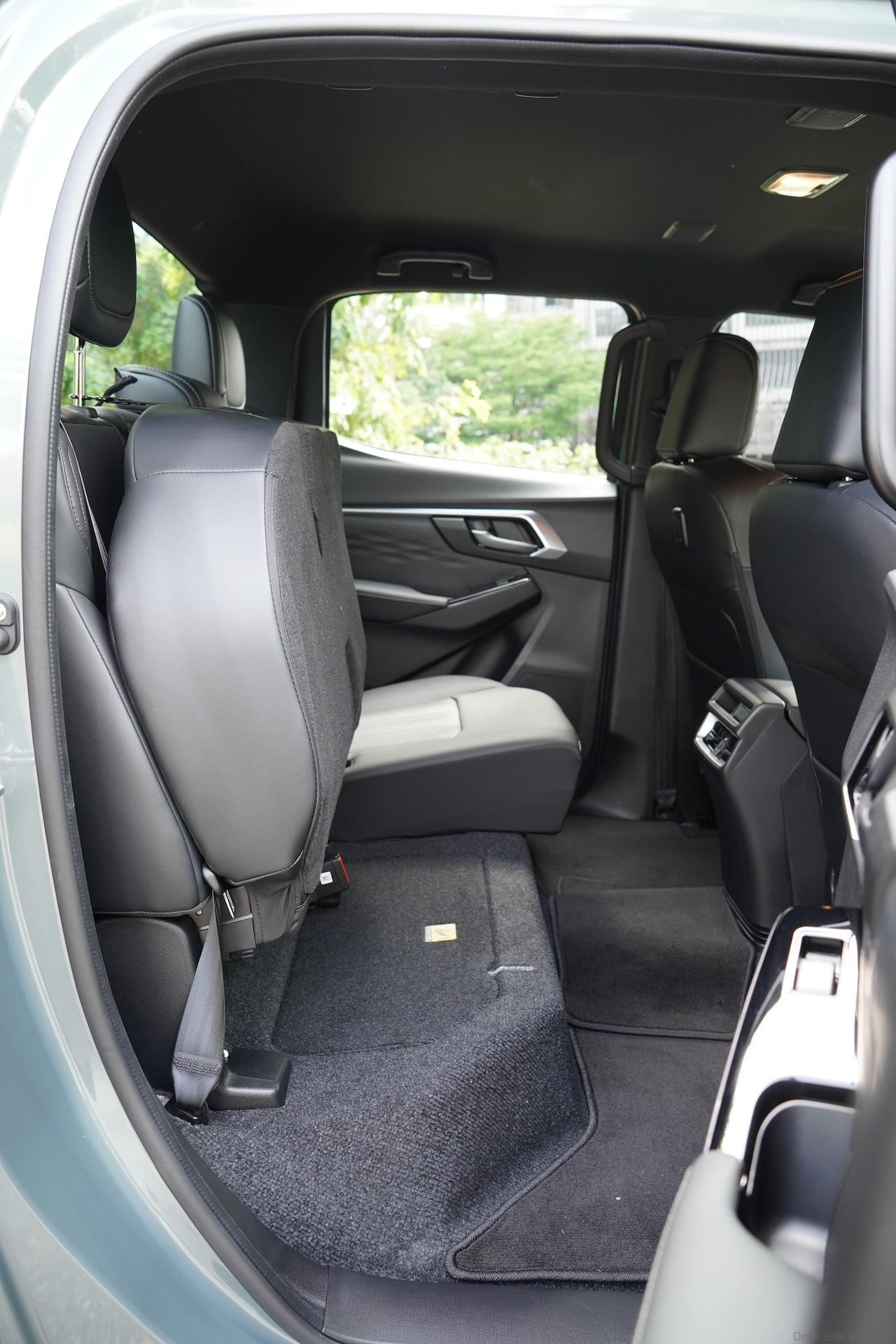
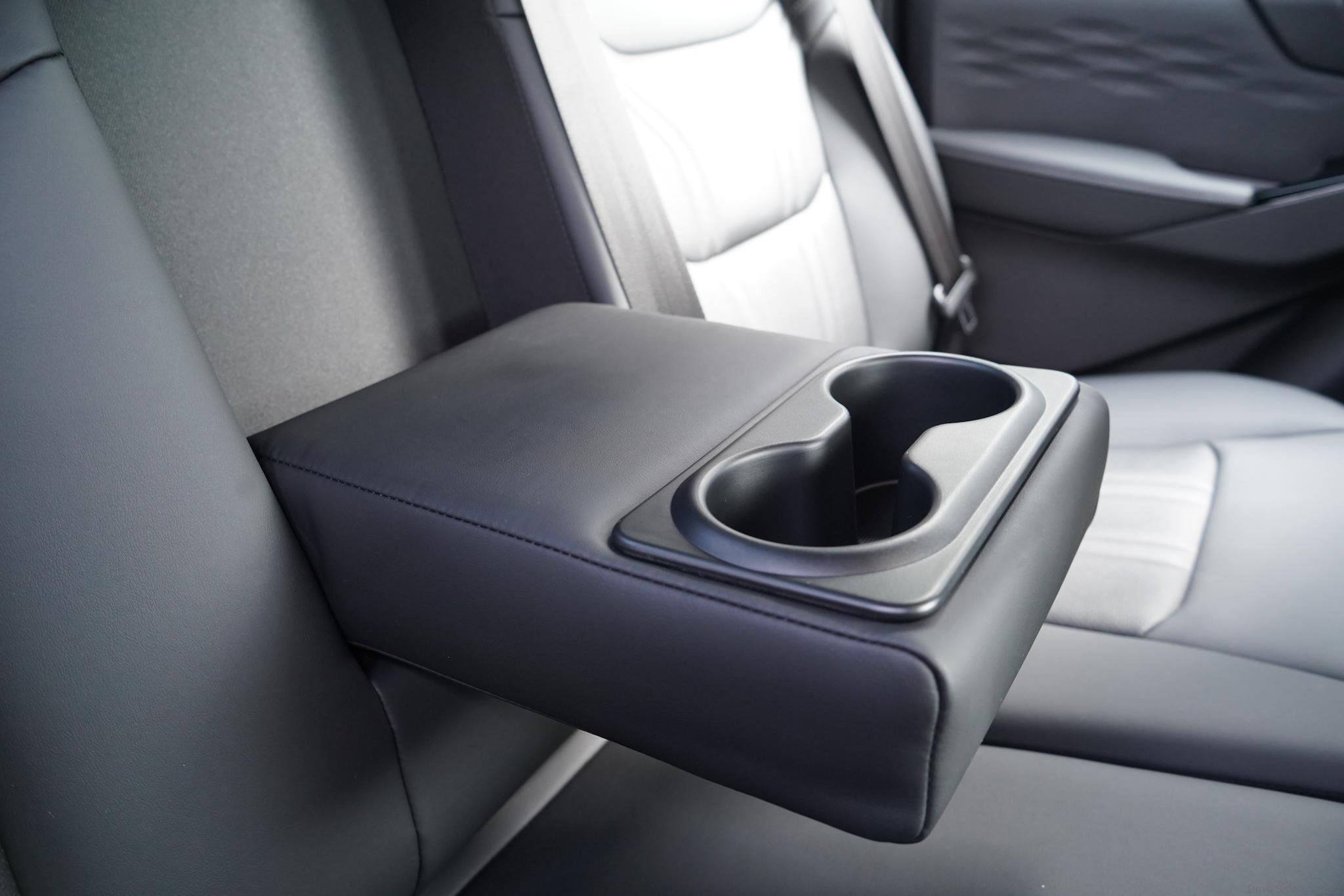
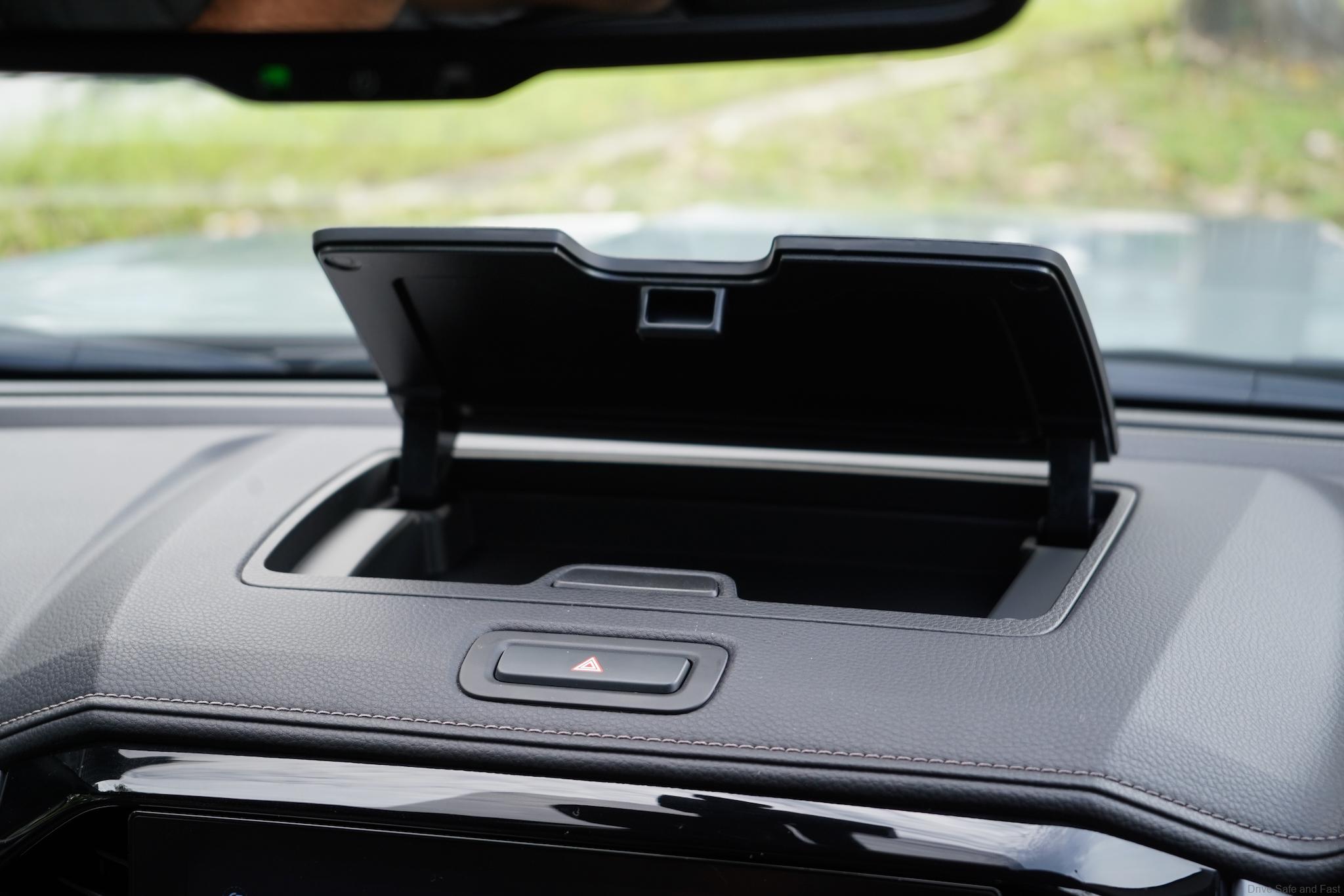
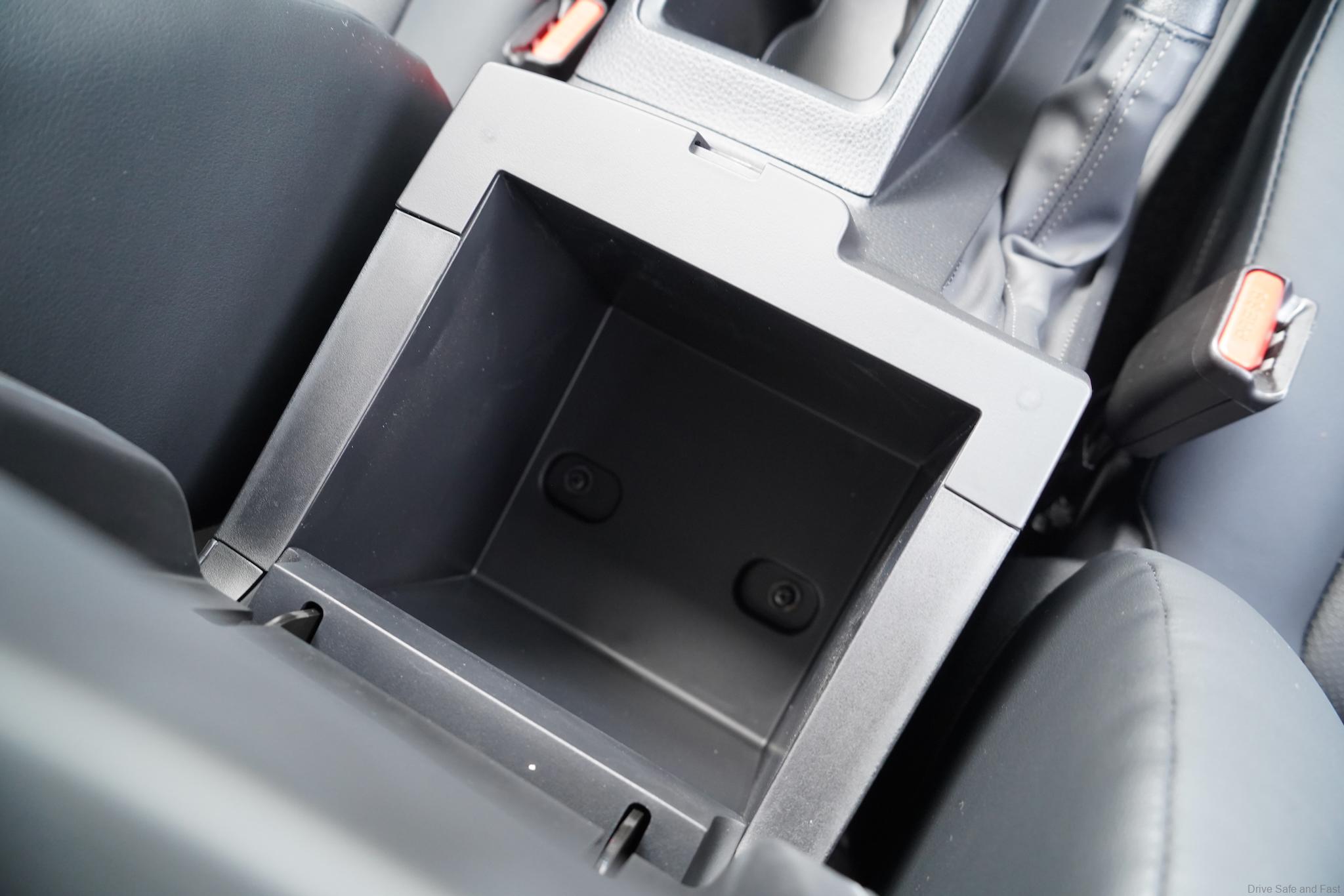
Overall this is still your good old Isuzu D-Max with all its positives and negatives now with a more modern heart. There’s still little things that it does really well (like a rear seat bench that folds up and seat backs that fold down) and things that it does poorly (like the centre storage bin not always opening up). Should you trade in your D-Max 1.9L for this 2.2L? Probably not. But if you’re in the market for a new pick-up, this new engine presents fewer compromises over the last one, giving you more reasons to forgo the 3.0L model.
2026 Isuzu D-Max 2.2L Premium Specifications
Engine: Inline-4, 16-Valve, DOHC, Petrol
Capacity: 2164cc
Gearbox: 8-speed Conventional Automatic
Max power: 163PS @ 3600rpm
Max torque: 400Nm @ 1600-2600rpm
Price: RM141,821.20
Gallery: