


We were in Thailand earlier this week to learn about the ‘Neue Klasse’ BMW iX3 and experience a new era of Sheer Driving Pleasure.
When BMW began development of the Neue Klasse products, they knew they wanted to create an EV experience unlike anything else they had done before. Electric BMWs prior to this featured shared chassis component technologies with ICE products. With the Neue Klasse, BMW went back to the drawing board to create something unique that took advantage of the nature of the electric vehicle layout.
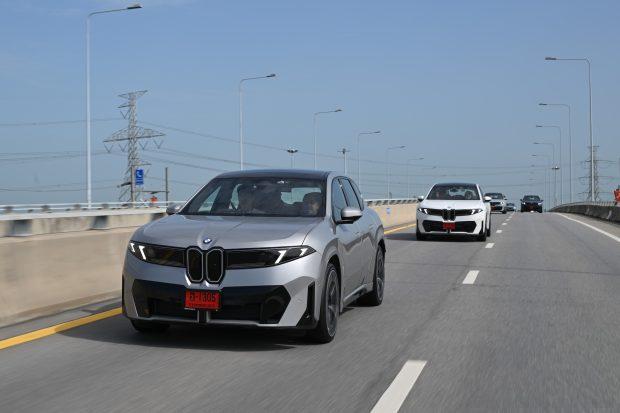
Characterising the new iX3 are a long wheelbase, a low centre of gravity and a balanced weight distribution with a 49:51 split between the front and rear. The battery pack doesn’t just form part of the chassis; it is the floor of the new iX3, meaning it houses the mounting points for the front seats.
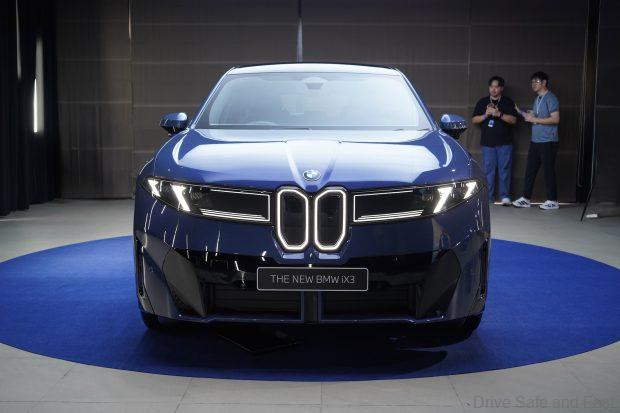
The chassis still features some mechanical magic. Air suspension was omitted, as BMW wanted a singular, pure driving feel that all customers experience rather than split the customer base between those who opt for air suspension and those who don’t. The shock absorbers feature a hydraulic rebound stop. A stiff strut package and pre-stressed anti-roll bar bushings alongside a large 740mm wheel diameter keep the new iX3 handling like a typical modern BMW.
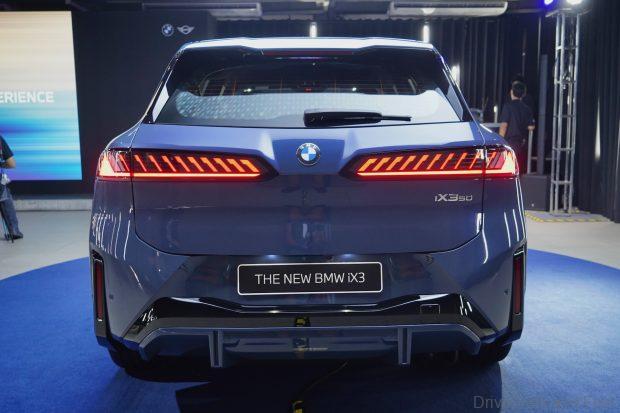
There is another very important element to the way the Neue Klasse vehicles drive and that’s the ‘Heart of Joy’. Instead of relying on a supplier for silicon and software for its drive system, BMW built four digital ‘superbrains’ to control the various elements of the vehicle with Heart of Joy being the one in charge of the way it drives. Latency has thus been reduced to just 1 millisecond, where a typical system would take 10-50 milliseconds.
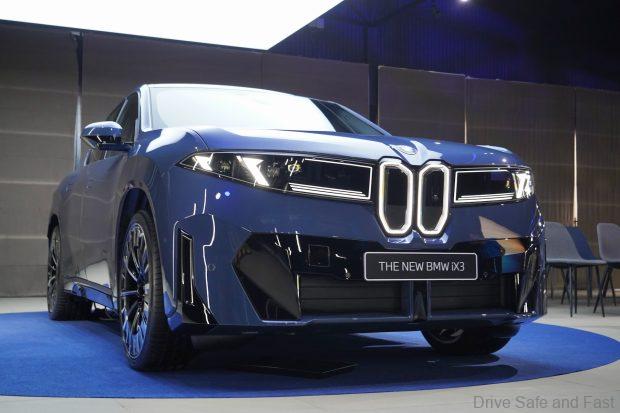
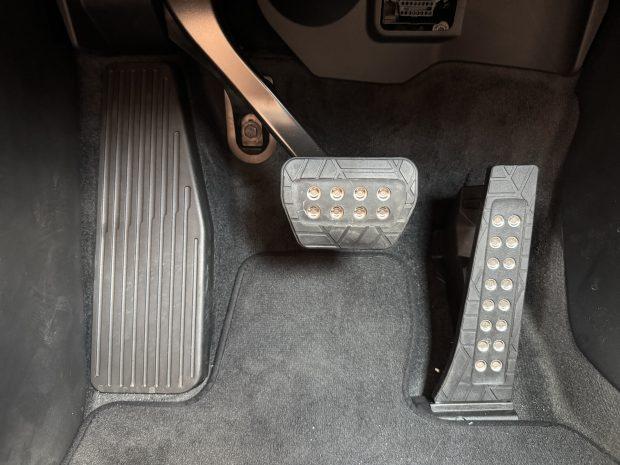
For the first time ever, BMW is able to integrate control of the steering, brakes, throttle and chassis in one place. One area where that makes a major difference is in braking. The BMW iX3 does not use its brake pads in 99% of braking scenarios. It instead relies on the instantaneous and precise response of the electric motors to deliver a natural brake feel and this approach also maximizes recuperation of energy. They’ve managed to emulate a chauffeur stop with this cutting edge tuning of the e-motor-as-brake approach, which is pretty darn amazing to experience.
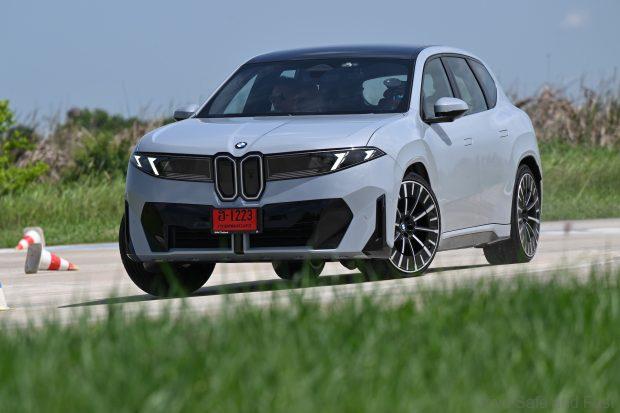
While it sounds like something most EVs have already figured out, it’s the granular details that make a difference in drive feel. The iX3 feels like a typical BMW behind the wheel in most daily driving scenarios. That may not be a good thing if what you’re expecting is a supremely pampering ride and unmatched NVH. If what you’re looking for is an EV that drives as if it’s an extension of your body, the iX3 is it.
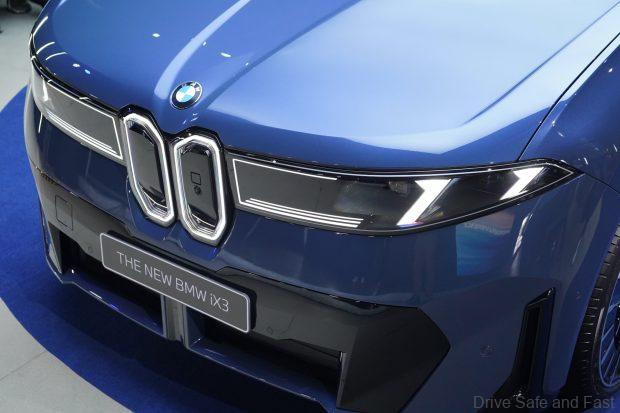
We were allowed to experience the iX3 on the Pathumthani Speedway. The first part of the experience involved driving to 140km/h and then braking as hard as possible. The jolt of acceleration at the initial stage was immense, but it peters out quickly. As the figures show, the iX3 50 xDrive isn’t the quickest to 100km/h, taking nearly 5 seconds. We’re not sure what the reasoning was, but we suppose there’s only so much performance that’s physically possible and BMW needs to reserve the sub 4-second century sprint for a future iX3 M variant. That being said, both the initial takeoff and the sheer braking power are amongst the most visceral I’ve ever experienced. It feels almost indistinguishable from BMW’s high performance M cars at the very beginning of going full on with either pedal inputs.
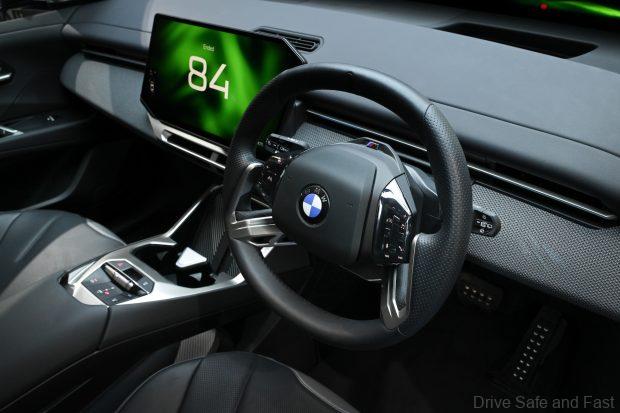
The second stretch of the course involved completing a slalom test at 35km/h without spilling any liquid from a cup taped to the bonnet. This was to show just how little roll the chassis body despite the lack of air suspension. Needless to say, the iX3 was composed throughout the slalom course.
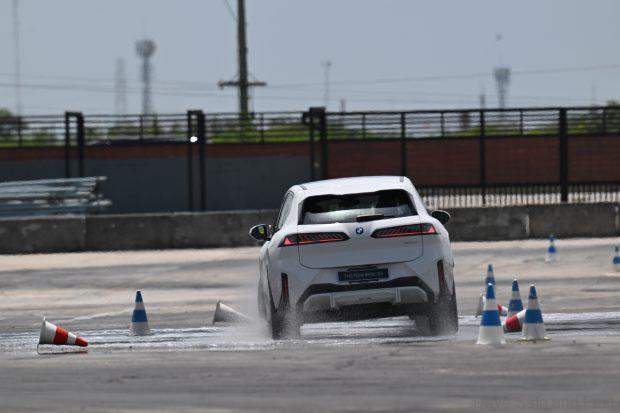
Next, we were allowed to gun the vehicle through the rest of the course and boy were we impressed. In many EVs, the acceleration is so intense that it becomes a little tough to gauge if you’ve overshot your entry speed. On our first run, we indeed entered a corner a little too fast, but to our surprise, the vehicle was able to rotate just by removing a little pressure from the throttle. The way the ‘Heart of Joy’ works makes it so that the vehicle communicates with the driver instantaneously. What would have taken a whole leg movement in a petrol car, perhaps a foot movement in a typical EV, now gets done with a movement of a toe in the iX3. It’s not even overly sensitive, it’s just really good at predicting what you want based on the pressure you’re putting on the pedals and steering.
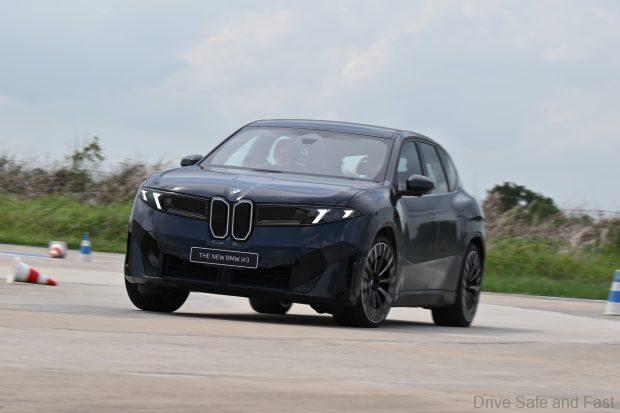
There’s no running away from the fact that the iX3 50 xDrive takes performance very seriously. That being said, I personally feel like it’s a touch too firm for its segment. Many shoppers looking to spend this kind of money on an EV are spoiled by a sheer number of high-performance SUV options that come with air suspension and that’s going to be a major decision making factor. The iX3 50 xDrive as configured for our test drive was sprung on the firmer side. Great for drivers, but not the smoothest thing in the world on actual roads.
I suppose if you’re looking for the BMW of the compact premium SUV world, the iX3 is precisely what you might expect. But then again, if you can buy an iX without excise duties and import taxes, you’re getting a much more comfortable experience at the expense of a very organic drive feel. To learn more about the new iX3’s circular nature, read our previous article here.

