


Hyundai Motor Group and Michelin Partner to Accelerate Next-Generation Tire Technologies for Future Mobility
South Korean automakers Hyundai and Kia have partnered with global tyre manufacturer Michelin to develop tyres with improved driving performance.
Hyundai Motor Group has signed a third memorandum of understanding (MOU) with Michelin to accelerate tire technology innovations that will lead the future mobility market. This agreement continues the partnership established through MOUs signed in 2017 and 2022.
The ceremony took place at the group’s Namyang Research Centre in Hwaseong, Gyeonggi Province.
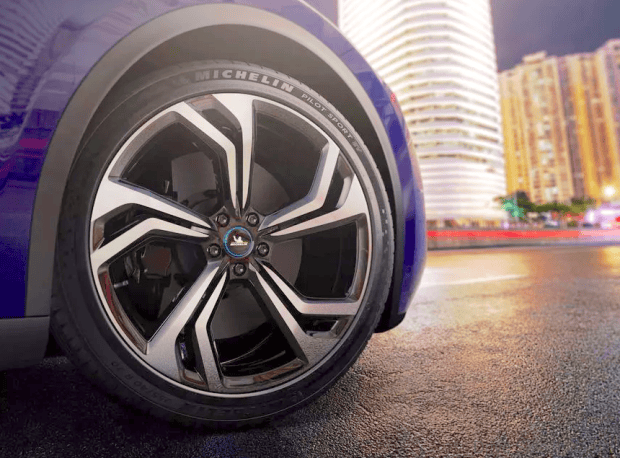
Under the agreement, the two parties will collaborate for three years, beginning next year, on improving tyre performance and developing virtual simulation technology.
The collaboration will focus on tyre technologies that reduce rolling resistance to improve fuel efficiency, as well as products that enhance handling and braking performance.
Hyundai Motor Group and Michelin previously conducted joint research on advanced tyre technology in 2017 and 2022, developing tyre specifications optimised for rear-wheel-drive electric vehicles and conducting studies on tyre-wear technology.
“Through the third phase of technological collaboration with Michelin, tyre technology developments are expected,” stated Shin Yong-suk, Vice President and Head of the Genesis Engineering Design Center at Hyundai Motor Group. “By using the specialised capabilities of both companies in mobility and tyre technologies, the collaboration aims to improve driving performance.”
Hyundai Motor Group has been focusing on securing advanced tyre technologies.
The initiative is intended to expand the technological scope of Hyundai’s premium vehicles to include tyres, thereby enhancing vehicle driving performance.
According to industry sources, Hyundai’s technology division recently secured foundational technology for advanced ultra-low-rolling-resistance (ULRR) tyres.
The division developed tyre technology for the face-lifted Kia Sorento hybrid model (MQ4 PE HEV) over a three-year period from 2022 and implemented mass production technology with a low rolling resistance coefficient of 5.5.

