


Malaysia ups the palm oil derived diesel content in fuel to 15% with the introduction of B15 diesel nationwide.
The fuel supply crisis triggered by the conflict in the Middle East has accelerated the government’s plans with regard to biodiesels. Malaysia has been progressively increasing the content of palm-oil derived biodiesel over the years with the biggest push coming around the pre-COVID era to adopt 10% biodiesel content in the form of B10. The long-term plan is to up the content to 50% but that’s still a while away. This month, Malaysia ups the content to 15% with B15 diesel rolling out across all fueling stations in Peninsular Malaysia.
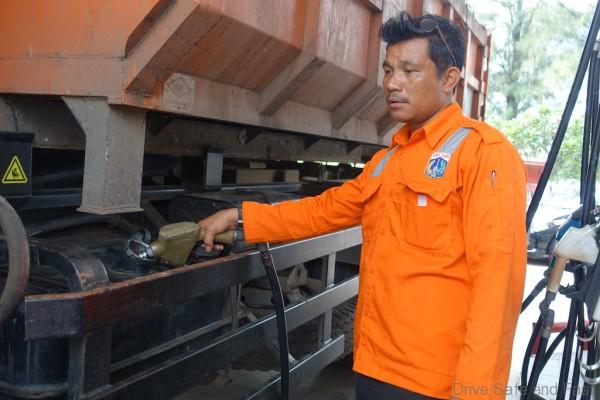
Increasing palm oil derived biodiesel content has upsides and downsides. The most relevant upside is that it effectively reduces the country’s reliance on fossil fuel derived diesel by a small but significant amount, an additional 5% in this case. 5% may not sound like a lot to you or me, but to the government, it can translate to billions saved in subsidies. It also reduces the outflow of capital, as palm-oil derived biodiesel can be produced locally almost in its entirety. The Malaysian Palm Oil Board (MPOB) has also shown evidence that pam-oil derived biodiesel has less harmful emissions, particularly in terms of sulphur. B15 will use up 0.8 million tonnes of palm oil of our current 4 million tonne domestic surplus.

Unfortunately, it’s not all positives. Certain diesel engines were simply not designed for a higher degree of biodiesel content. Some engines that are covered by warranty for use with B15 biodiesel still come with a recommendation from the manufacturer to use lower biodiesel content fuel for optimal performance and longevity. While ALL pick-up trucks sold in Malaysia today can run B15 biodiesel, some older models sold in the last decade may require the installation of an additional filter and this must be done at the customer’s expense.

According to a report by Paultan.org, some manufacturers, such as Toyota and Nissan have not made it clear that higher palm oil derived biodiesel content would be compatible with their diesel engines. Ford’s older 2.2L and 3.2L diesel engines require additional equipment for use with these diesels.

