


Malaysian and also ASEAN used car values are dropping faster in recent years.
The drastic shift in values and the large percentage drop in resale values for used vehicles across the Malaysian used car market between 2024 and 2026 are not due to an economic or single failure, but rather a “perfect storm” of market corrections, changing government policies and more importantly aggressive international competition. Yes, the fast rise in new and exciting Chinese automotive brands in our market has tickled many Malaysians to switch preferences and even in the premium segment, ignore badge branding and luxury image when buying a new car.
Let us share the primary factors driving down the used car market include:
1. The Influx of Aggressively Priced Chinese Vehicles
The sudden wave of high-tech, highly affordable Chinese vehicles (both EVs and petrol power and not forgetting the sudden rise in hybrid power) has disrupted the entire automotive ecosystem in Malaysia. Brands like BYD, Chery GAC and Great Wall Motor entered the market offering brand-new, technology heavy vehicles at price points that directly compete with mid-tier used Japanese and European cars and even more surprising, they offer longer factory warranties and longer FREE after sales. Because new cars have become so competitively priced, used car sellers have been forced to slash prices significantly just to attract buyers.
2. Fuel Subsidy Rationalization Thanks To The Straits Of Hormuz
The Malaysian government’s rollout of targeted fuel subsidies (diesel and petrol rationalization) fundamentally altered consumer buying behavior. With market-driven fuel prices taking effect for segments of the population, demand for “petrol-guzzlers,” older SUVs, and larger-capacity internal combustion vehicles dropped sharply. Used buyers have pivoted aggressively toward fuel-efficient compact national cars or hybrids, causing the value of older, less efficient models to plummet.
3. Post-Pandemic Warranty Expirations
During the 2021–2022 pandemic buying boom, there was a massive spike in new car purchases fueled by tax incentives and pent-up demand. By 2025 and 2026, those vehicles hit the 4-to-5-year mark, meaning their manufacturer warranties expired.
So, a massive wave of these out-of-warranty cars flooded the secondary market simultaneously and their maintenance costs are beyond affordability for second hand buyers with less disposal income.
Used buyers are deeply protective against high out-of-pocket repair costs for complex electronics, turbos, and transmissions, heavily driving down the cash value of these specific models.
4. Stricter Bank Financing and Loan Approvals
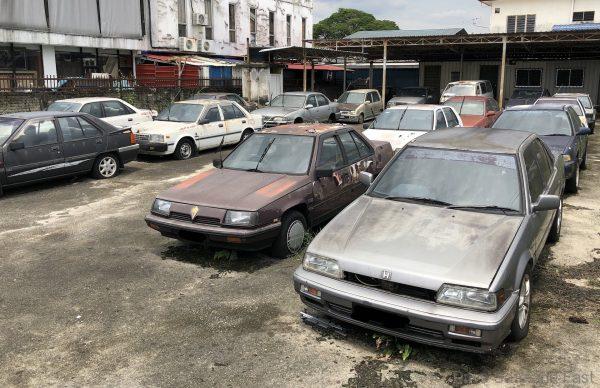
Malaysian banks have tightening loan approval criteria for used vehicles. Because interest rates for used cars are inherently higher than for new cars, combined with stricter hire-purchase screening, fewer secondary-market buyers can qualify for financing. Lower buyer purchasing power directly triggers a reduction in overall transaction velocity and forces dealers to reduce sticker prices.
5. The Rapid Obsolescence of “First-Wave” EVs
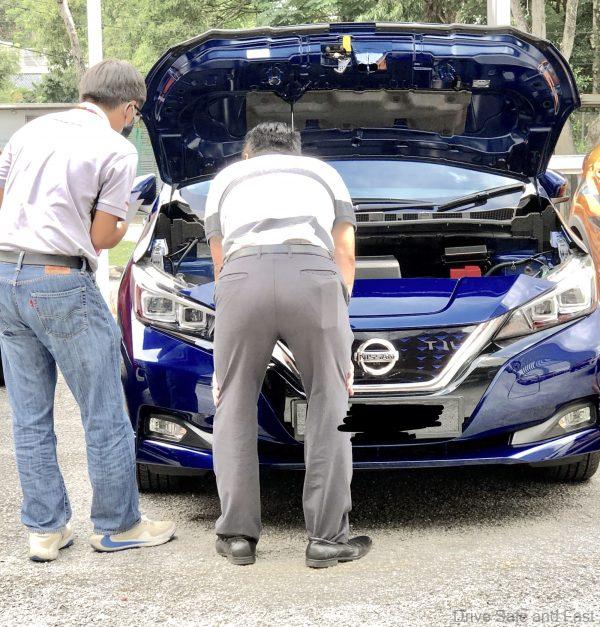
For early adopters who bought Electric Vehicles (EVs) a few years ago, the secondary market has been incredibly harsh. EV technology is moving at such a rapid pace that first-generation EVs with slower DC charging speeds and lower ranges were quickly feel outdated compared to newer models. Compounded by intense anxiety from used buyers regarding battery degradation and out-of-warranty battery replacement costs, early EVs have experienced some of the steepest depreciation curves ever seen in the Malaysian market.
A Recap And Summary
While reliable, fuel-efficient national makes (like Perodua) used hold their value relatively well, even this brand is feeling the used car pinch. Meanwhile, entry-to-mid-level continental cars, premium luxury segments, and early-generation EVs have faced massive drops in demand, shifting the leverage entirely into the hands of the buyer.

